欢迎您访问:瑞昌明盛自动化设备有限公司,我司将竭诚为您服务!
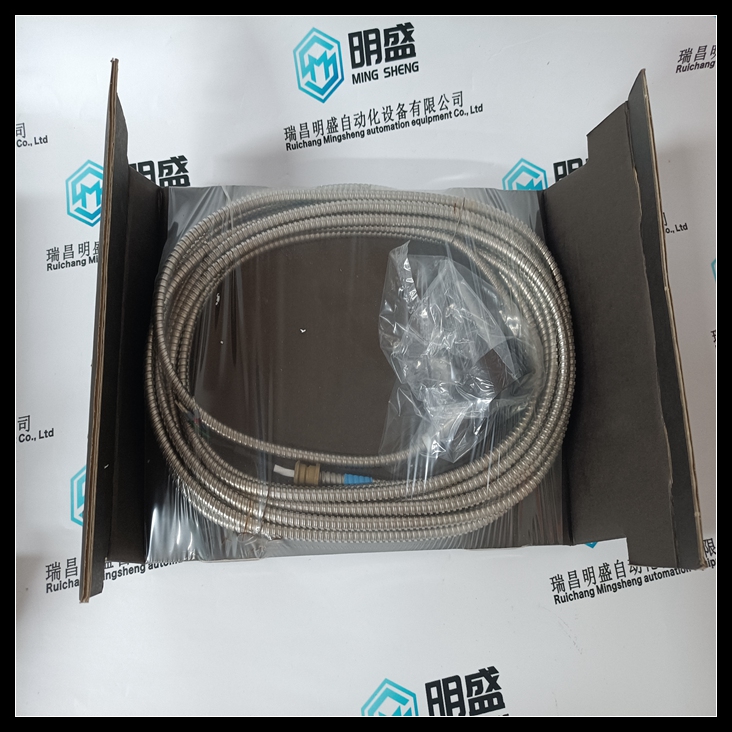
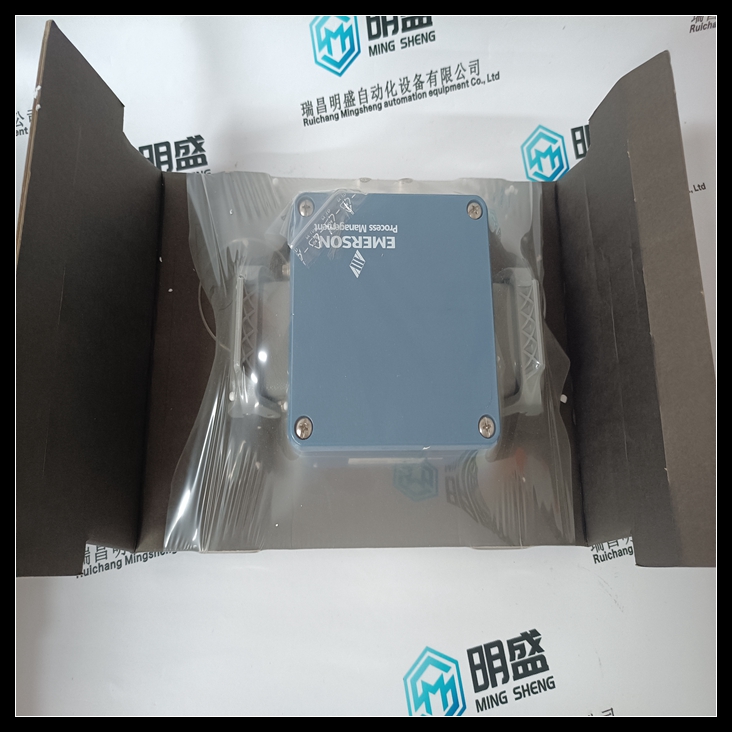
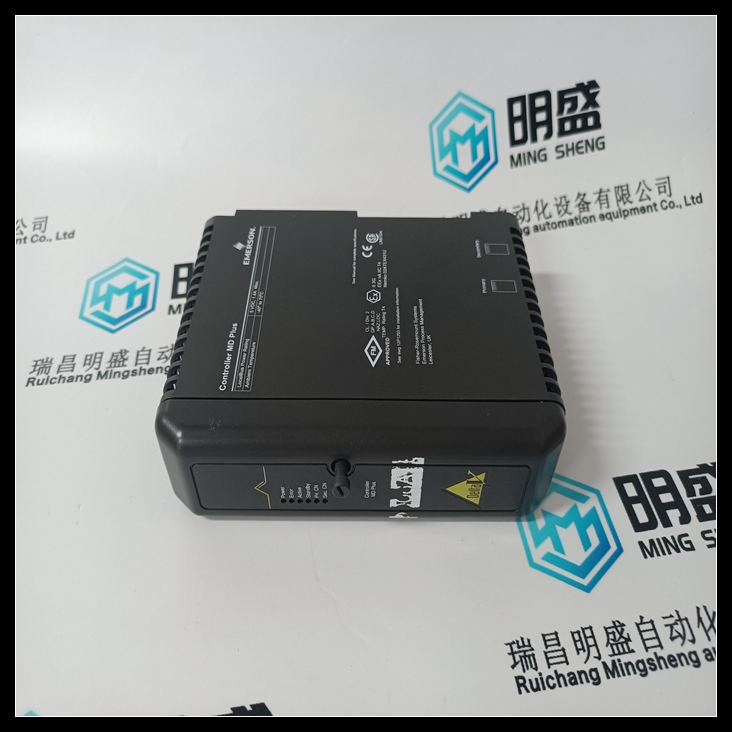
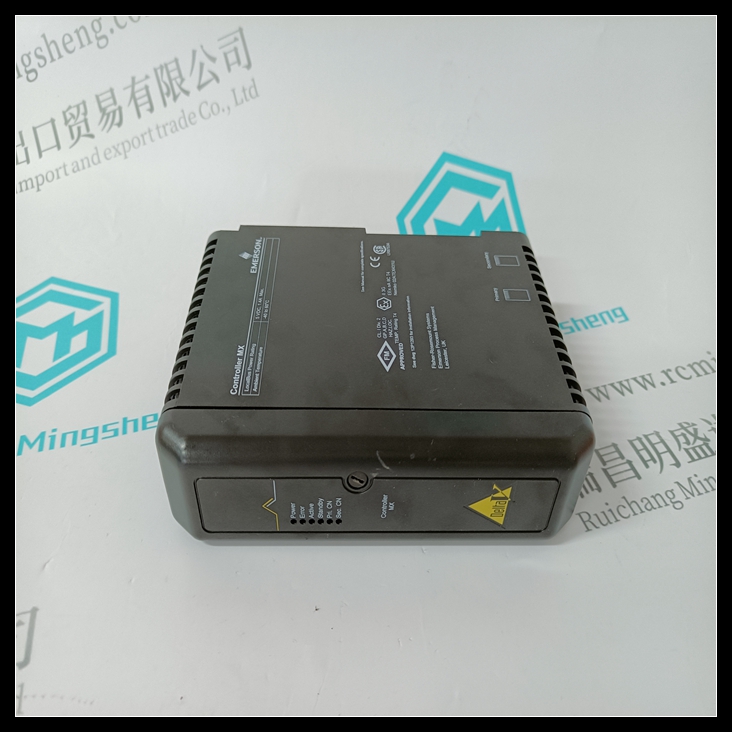
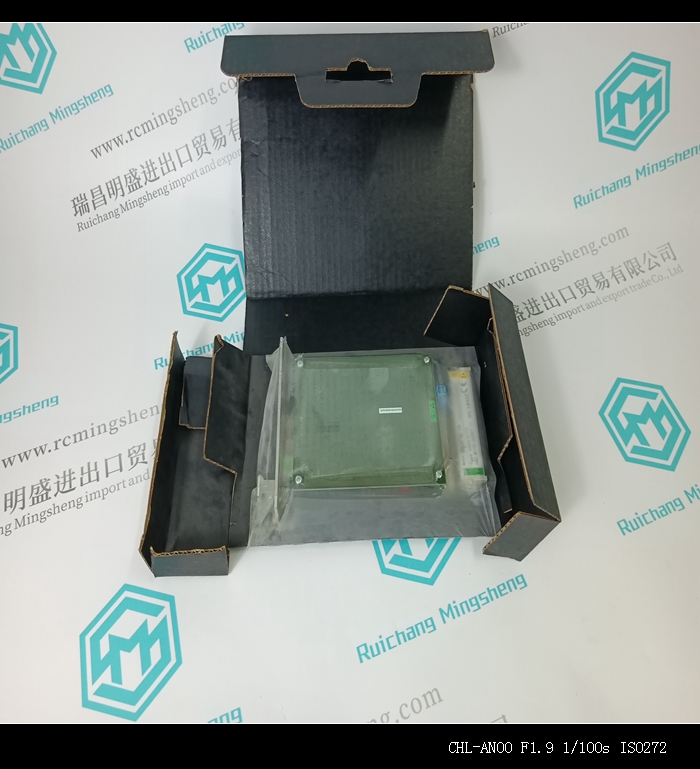
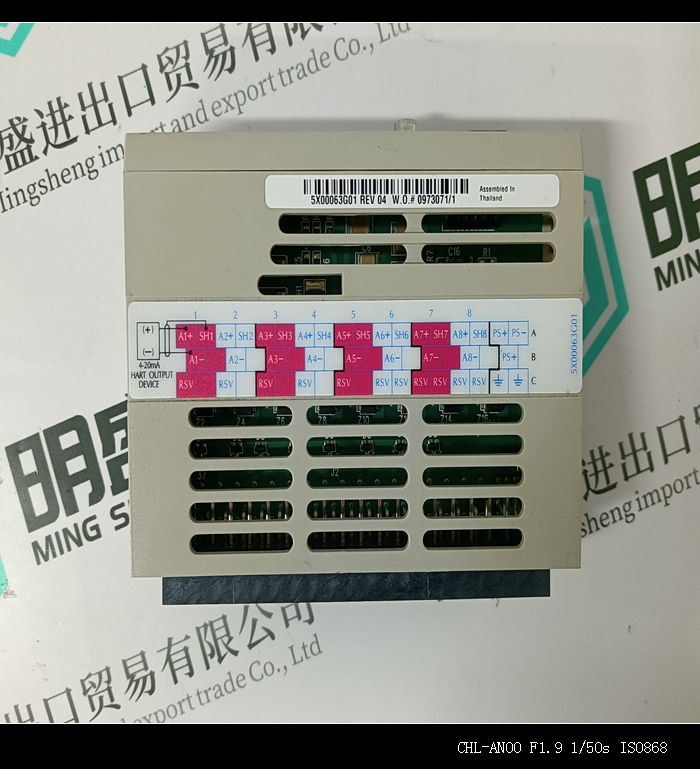
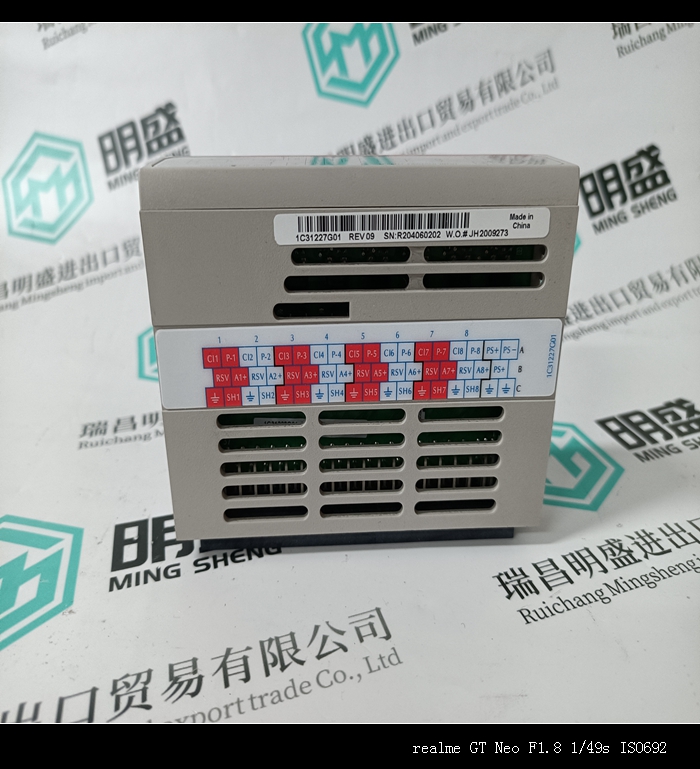
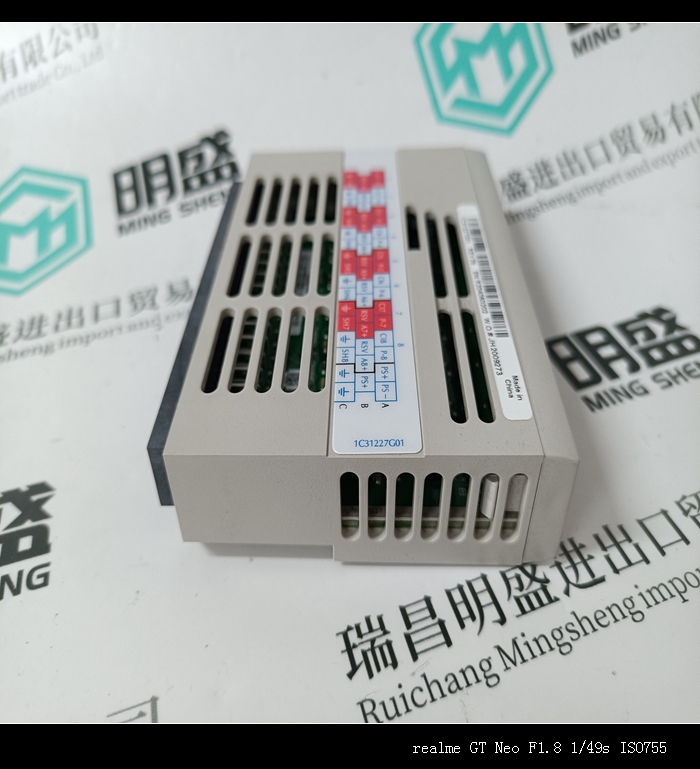
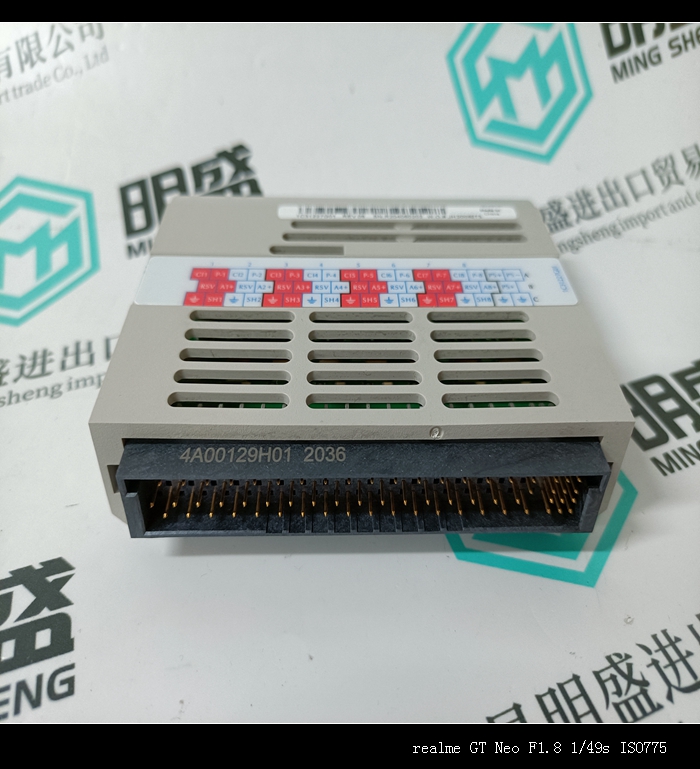
VE4001S3T1B1自动化工控卡件

主页 > 产品中心 > EMERSON艾默生

VE4001S3T1B1自动化工控卡件

类目:EMERSON艾默生
型号:VE4001S3T1B1
全国服务热线:+86 15270269218
手机:+86 15270269218
微信:+86 15270269218
QQ:3136378118
Email:stodcdcs@gmail.com
在线咨询
产品详情
VE4001S3T1B1自动化工控卡件 VE4001S3T1B1自动化工控卡件 VE4001S3T1B1自动化工控卡件
瑞昌明盛进出口贸易有限公司
主营DCS控制系统备件,PLC系统备件及机器人系统备件,
优势品牌:Allen Bradley、BentlyNevada、ABB、Emerson Ovation、Honeywell DCS、Rockwell ICS Triplex、FOXBORO、Schneider PLC、GE Fanuc、Motorola、HIMA、TRICONEX、Prosoft等各种进口工业零部件

VE4001S3T1B1自动化工控卡件 VE4001S3T1B1自动化工控卡件

VE4001S3T1B1自动化工控卡件
冲床自动化问题      冲压虽然是高效的生产方法,但是手工单模具冲床冲压生产加工量大,在每分钟生产数十、数百件冲压件的情况下,需要在短暂时间内完成送料、冲压、出件、排废料等工序,手工单模具冲床冲压生产既满足不了其高速生产要求,又大量发生人身、设备和质量事故。冲压中的安全高效生产是一个非常大的现实矛盾问题。
采用复合模,尤其是多工位级进模的数控冲床,可在一台压力机上完成多道冲压工序,实现由带料开卷、矫平、冲裁到成形、精整的全自动生产。生产效率高,劳动条件好,生产成本低,一般每分钟可生产数百件。以现代高速多工位机械压力机为中心,配置开卷、矫平、成品收集、输送等机械以及模具库和快速换模装置,并利用计算机程序控制,可组成高生产率的自动冲压生产线。数控技术应用在冲床设备领域,使普通冲床得以升级,通过数控技术的自动控制完成冲压的功能。
基于PLC技术的高速全自动数控冲床自动完成对整体板料的上料、送料、排料及排网状废料的集成加工过程。 全自动数控冲床由通常由机床本体、上料装置、送料装置、排网状废料装置、自动化电控硬件和控制软件五大部分组成。
3 、曲轴数控冲床       曲轴式冲床是常见的冲床结构。曲轴式冲床工作原理是控制离合器的吸合动作来控制滑块也即上模的单次或连续往复运动,实现对板料的冲压加工,控制制动器实现压力机工作机构的停止。送料动作一般是由手工或间隙式机械机构完成。数控冲床的曲轴式压力机的冲压原理不变。不同的是利用PLC控制滑块的往复,即上冲模往复动作的起停和被加工板料的规则X、Y向进给送料运动,并能使这两个动作协调,即实现冲压与送料动作的同步控制。 全自动冲压加工中,两坐标工作台是关键的机械部件之一,工作台的惯性限制着工作台的送料速度和加速度。为提高工作台的送料速度,在设计时可能减小工作台的惯性。 在冲压加工过程中,X轴送料比Y轴频繁,即X轴送料次数为板料一排所冲工件个数时,Y轴才送料一次。因此设计工作台时,采用X轴在上,Y轴在下,这样工作台沿X方向送料时,X方向电机只通过丝杠带动较轻的夹钳拖板沿上导轨作X向运动。Y方向送料时,Y方向电机通过丝杠带动较重由上导轨、上电机、上丝杠和夹嵌拖板组成的机构沿下导轨作Y向运动。故能提供快捷及安全的送料过程。
数控系统软件结构 为了维修和使用方便,国际上数控系统在输入代码、坐标系统、加工指令、辅助功能及程序格式等方面逐渐形成了两种国际通用标准,ISO国际标准化标准及EIA美国电子工业协会标准。根据冲压加工特点,参考国际上常用的ISO标准。因为冲压加工中工作台送料为大量的重复动作,为了减少用户编程量,用户指令中设置了内循环、外循环、跳转指令,使用户编程量大大减少。 系统软件采用模块化结构,共有五个模块化结构,系统开机或复位后处于监控状态。这时五个功能模块可供选择。
4、台达数控冲床解决方案       基于台达机电自动化自动化平台配置包括:台达触摸屏HMI;台达EH系列PLC;台达ASDA-AB系列交流伺服系统;台达B系列变频器。
冲床的冲头属于机械凸轮结构,电机启动后以固定的时间周期性上下运动,在该过程中伺服的运动有两种工艺自动化过程状况:小步距-在该过程中伺服运动在每次冲孔是必须走到相应的冲孔位置;大步距-由于步距太大冲头在正常冲压时,进给轴不能走到冲压位置,必须等到进给到位后方可冲压。wire. The head and tail nodes need to be connected with 120r matching resistance. The highest communication speed can reach 1Mbps. The lower the transmission rate, the farther the transmission distance. The system structure is as follows:

Message format of CAN protocol: can protocol supports two message formats can2 0A and can2 0B; CAN2. 0A is the standard format, can2 0b is the extended format; The formats are as follows:

The only difference between the standard format and the extended format is the length of the identifier (ID). The standard format is 11 bits (id10-id0), and the extended format is 29 bits (id10-id0, eid17-eid0). In the standard format and extended format, the start bit of the message is called the start of frame (SOF). The start of frame marks the start of data frame or remote frame, which is composed of a single "dominant" bit (0). It is automatically completed by the control chip and does not need to be reflected by the user in the program. Then there is the arbitration field composed of 11 bit identifier (id10-id0) (extended format is 29 bits (id10-id0, eid17-eid0)) and remote transmission request bit (RTR). The RTR bit indicates whether it is a data frame or a request frame. There are no data bytes in the request frame. The control field includes an identifier extension (IDE) that indicates whether it is a standard format or an extended format. It also includes a reserved bit (RBO) for future expansion. Its last four bits are used to indicate the length of data in the data field (the size is binary data composed of dlc3-dlc0). The data field range