欢迎您访问:瑞昌明盛自动化设备有限公司,我司将竭诚为您服务!
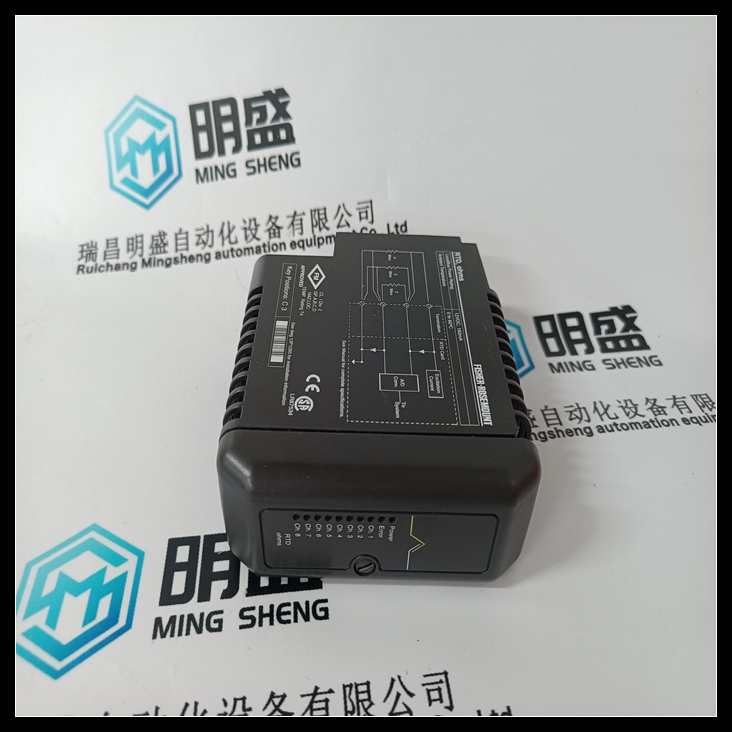
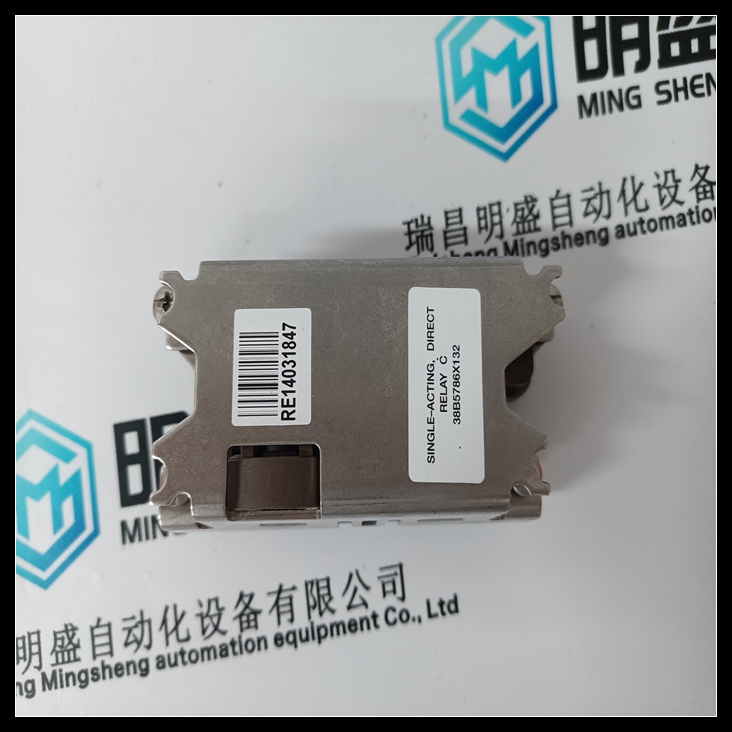
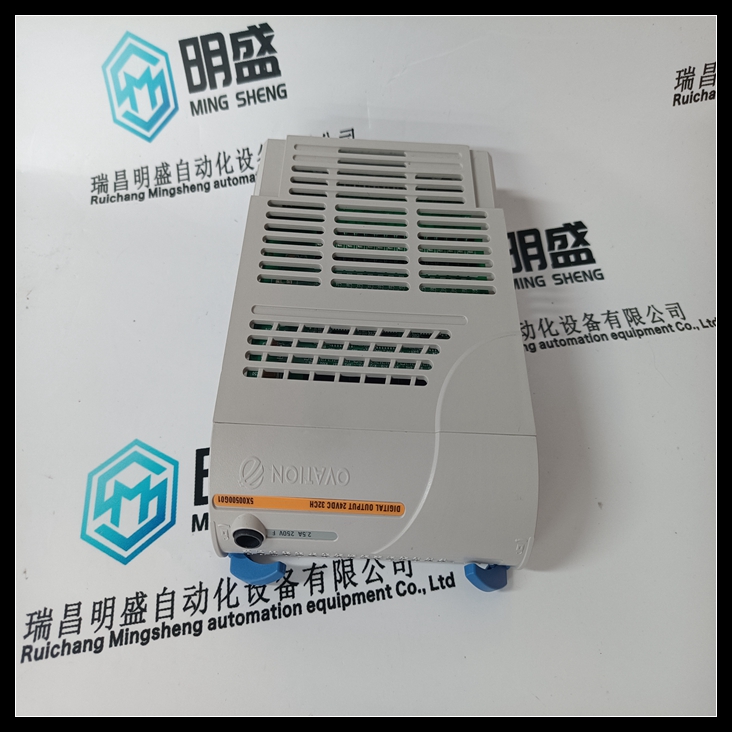
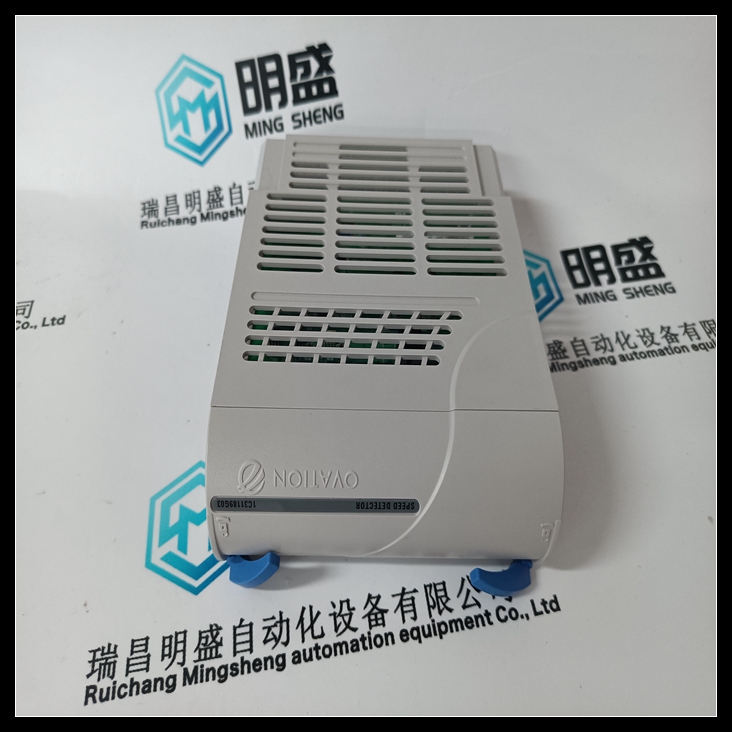
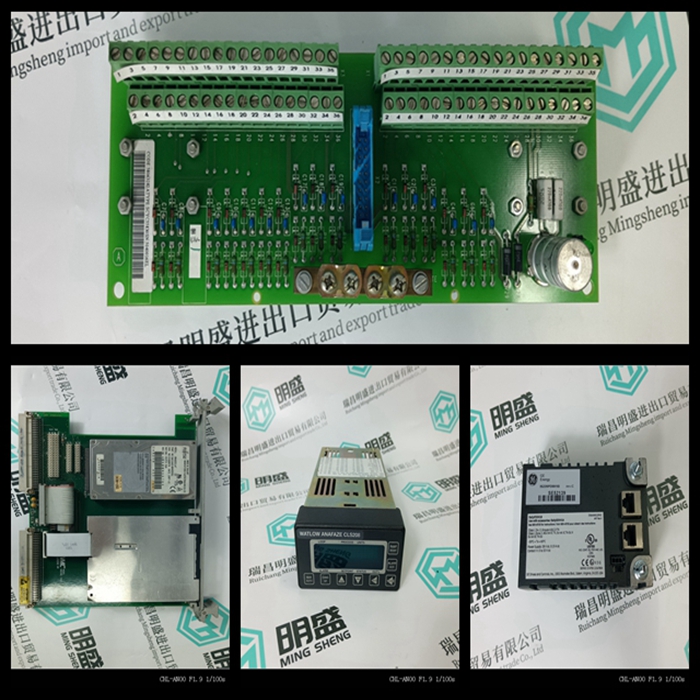
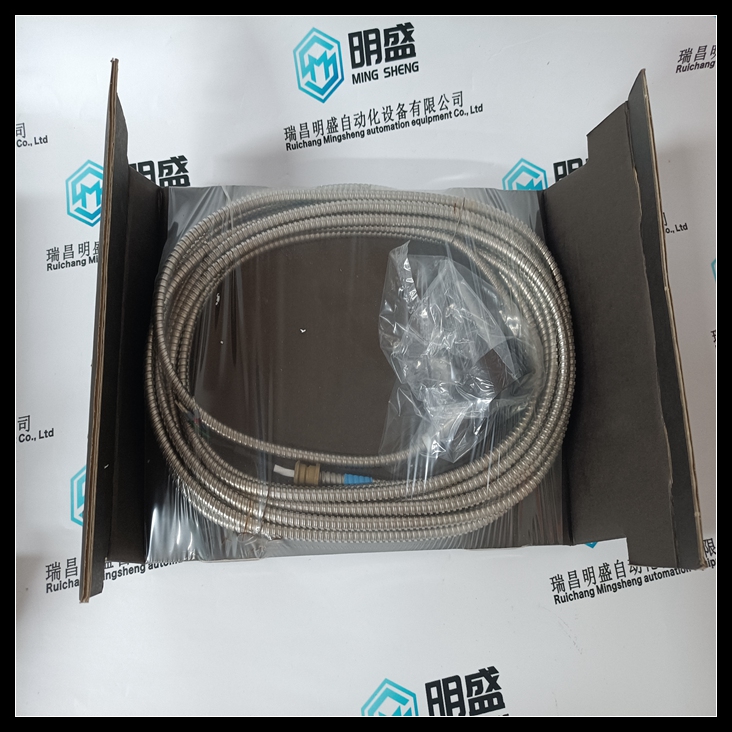
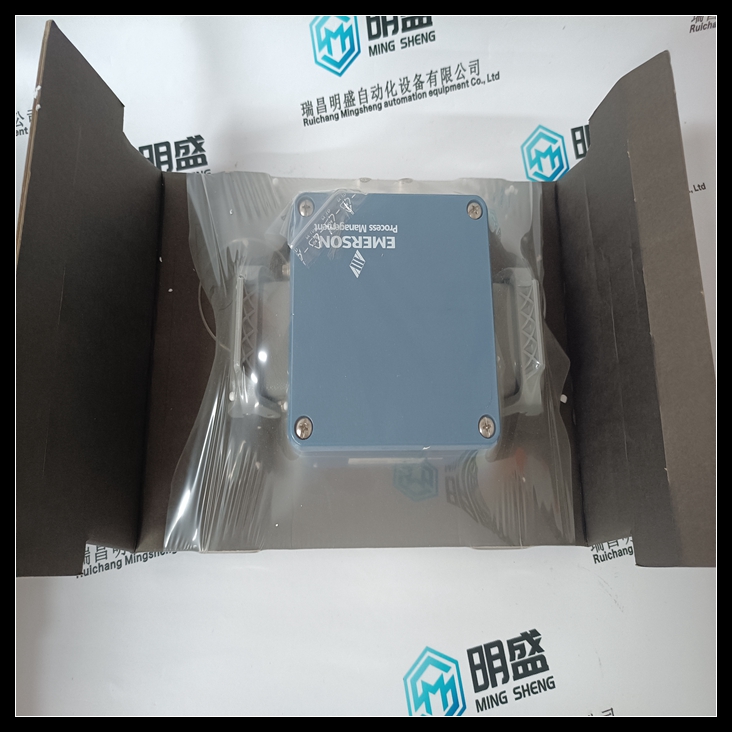
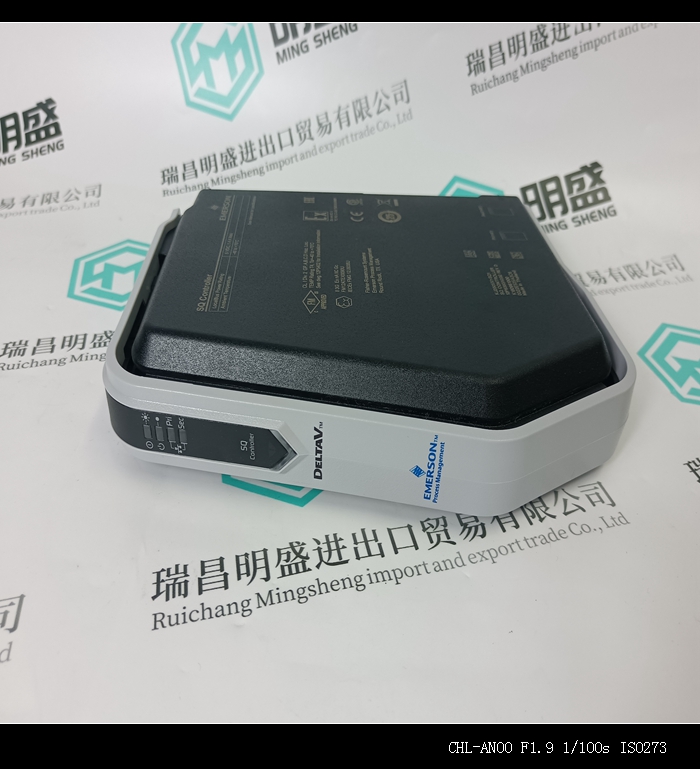
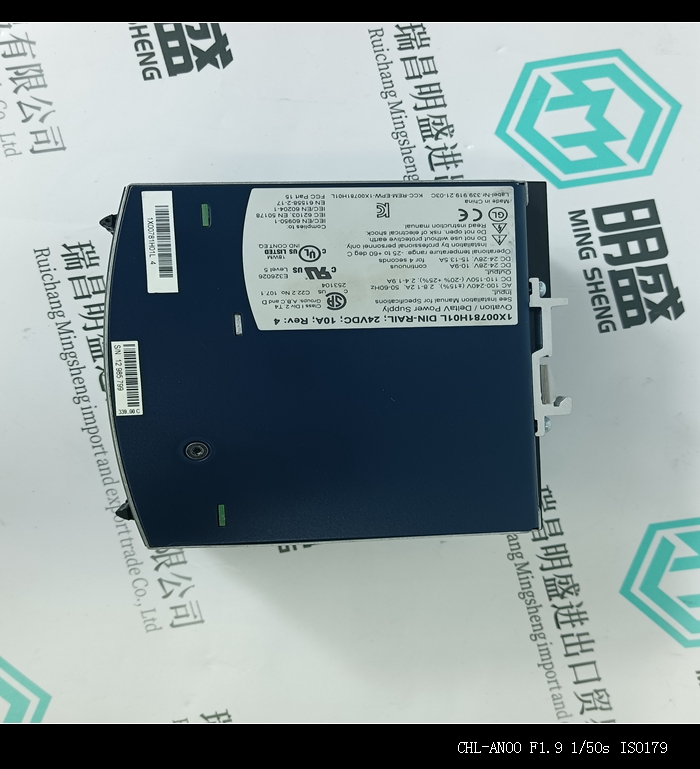
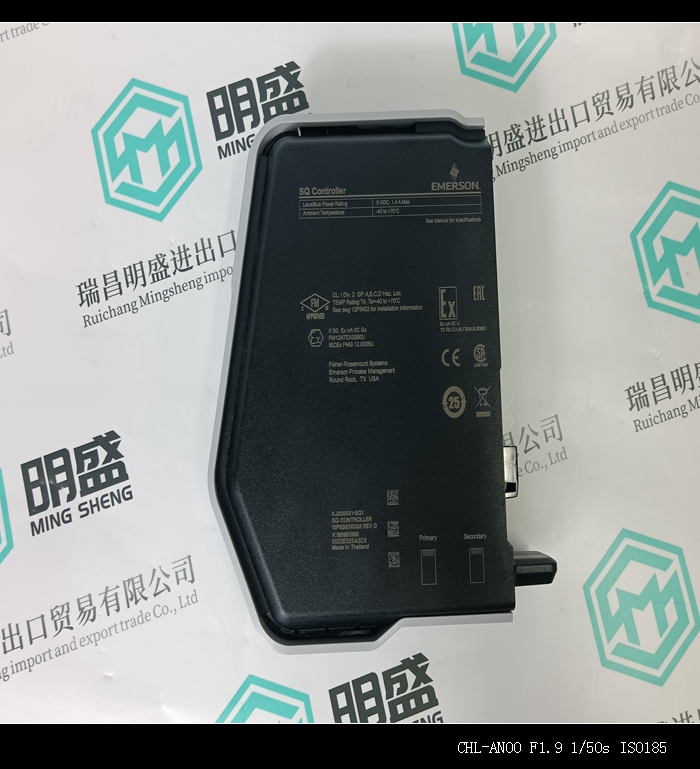
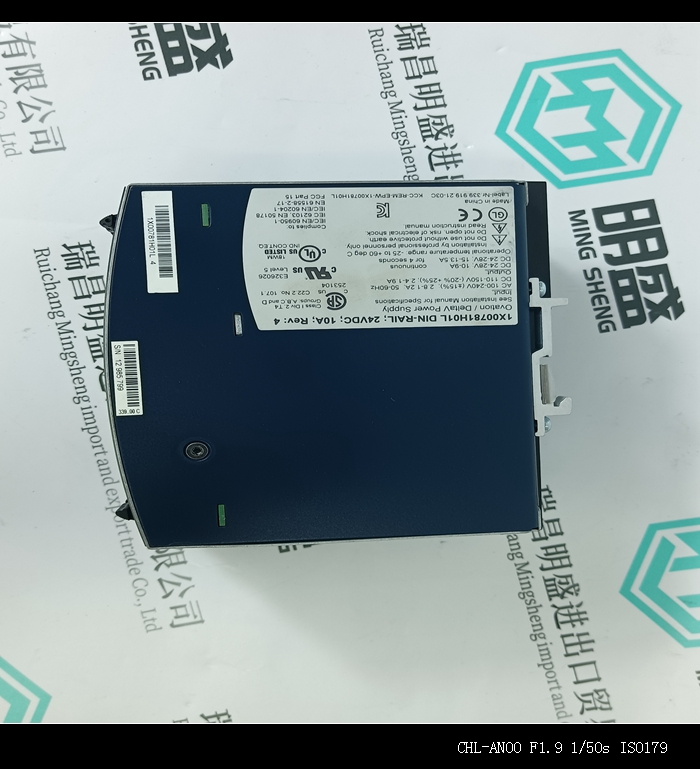
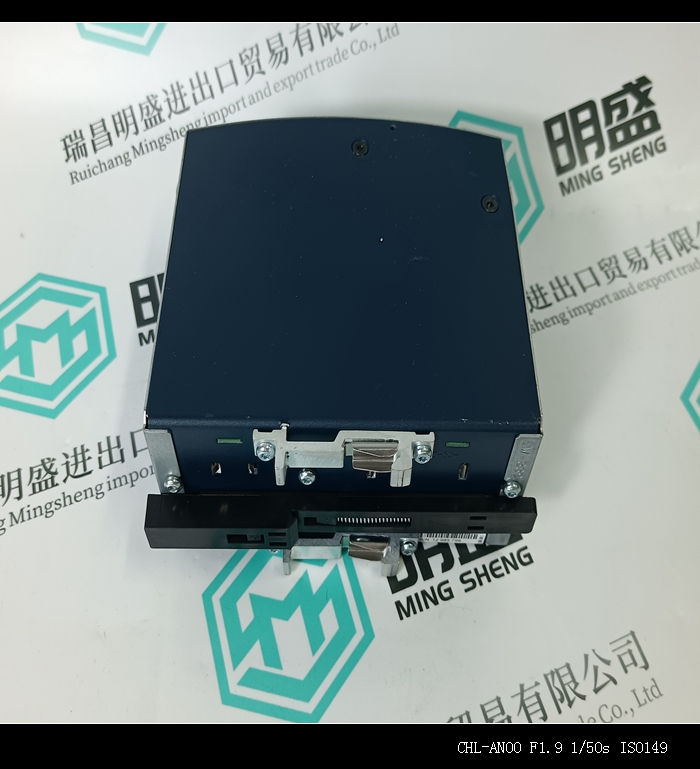
VE4002S2T1B1库存PLC模块自动化卡件

主页 > 产品中心 > EMERSON艾默生

VE4002S2T1B1库存PLC模块自动化卡件

类目:EMERSON艾默生
型号:VE4002S2T1B1
全国服务热线:+86 15270269218
手机:+86 15270269218
微信:+86 15270269218
QQ:3136378118
Email:stodcdcs@gmail.com
在线咨询
产品详情
VE4002S2T1B1库存PLC模块自动化卡件 VE4002S2T1B1库存PLC模块自动化卡件 VE4002S2T1B1库存PLC模块自动化卡件
瑞昌明盛进出口贸易有限公司
主营DCS控制系统备件,PLC系统备件及机器人系统备件,
优势品牌:Allen Bradley、BentlyNevada、ABB、Emerson Ovation、Honeywell DCS、Rockwell ICS Triplex、FOXBORO、Schneider PLC、GE Fanuc、Motorola、HIMA、TRICONEX、Prosoft等各种进口工业零部件

VE4002S2T1B1库存PLC模块自动化卡件 VE4002S2T1B1库存PLC模块自动化卡件

VE4002S2T1B1库存PLC模块自动化卡件
开发并利用丰富、广阔的太阳能,对于环境不产生和少产生污染,既是近期急需的补充能源,又是未来能源结构的基础。在了解并掌握光伏发电系统性能的基础上,利用Matlab/Simulink仿真软件进行光伏发电系统建模仿真有利于对整个系统进行性能优化设计,降低系统成本,缩短研发周期,提高系统的可靠性和总体效率。
光伏阵列是太阳能光伏发电系统的基础部件,其I-U、P-U特性受太阳光照强度、工作环境温度,以及光电池PN结参数影响呈现为非线性关系。要实现光伏发电系统的动态仿真,须解决如何对光伏阵列所固有特性进行仿真模拟。建立模型时,模型、解算的快速性、参数输入的易操作性是评价所建模型优劣的重要指标,对于后续研究有着很好的价值与意义。文介绍了利用PSIM仿真软件实现了基于物理机制的光伏电池仿真模型,其优点在于准确反映光伏电池的物理特性,缺点是模型参数与光伏阵列产品的常规参数对应关系不明确,参数求解困难。文给出了带有MPPT(大功率点跟踪)功能的光伏阵列Matlab通用仿真模型,但是该仿真模型所采用建模方法复杂,需利用Newton迭代法求解,存在仿真时间较长的问题。
本文既采用文介绍的方法利用其求解的快速性、直接性的优点,又应用Simulink模块建模流程清晰连续的特点,建立了通用性强的光伏电池阵列仿真模型,该模型适用于复杂的光伏发电系统动态仿真。通过仿真与实验结果对照分析,充分说明了该模型不但能分析太阳能光伏电池阵列的所固有的P-U和I-U的非线性特性,更重要的是表明了太阳能光伏电池阵列工作在大功率点以及稳定工作区域内时所隐含的dP/dU与I的近似线性特性关系,并在理论上进行了进一步的阐述与推导。这些特性都通过了实验室300W的光伏电池阵列实验验证。太阳能光伏电池阵列所隐含的dP/dU与I的近似线性特性的意义在于对传统的根据dP/dU与U的非线性特征的各种大功率跟踪控制方法的改变,因为利用dP/dU与I的线性特性能够使光伏发电系统更好地实现光伏阵列大功率点跟踪控制,具有快速性、平滑性特点。
1 光伏电池特性及电路模型
光伏势能在本质上来说是存在于2种特殊物质之间的电子化学势能差(Fermi level),当这2种物质结合在一起时,它们之间的结将达到一个新的热动力平衡,只有当这2种物质中的Fermi level相等时,平衡才能达到。为了获得高功率,需将许多的光伏电池串并联形成光伏模块直至光伏阵列。光伏电池的I-U、P-U曲线是随光照强度、温度变化的非线性曲线。
光伏电池的等值电路模型一般有3种。1种是光伏电池的简单电路模型,不考虑任何电阻,该模型有利于理论研究,适宜于复杂的光伏发电系统仿真;第2种方法是只考虑光伏电池并联电阻的模型,该模型精度稍高,在实际应用中并不常见;第3种是既考虑并联电阻,又考虑串联电阻的较仿真模型,其等值电路模型如图1所示。
根据如图1所示的光伏电池等值电路模型,应用Kirchhoff电流定律,可得流过负载的电流I与其端口电压U之间的关系system and the electromechanical integrated products of the roller table, so as to realize the actions of billet cutting, number spraying, deburring and off-line, and complete the predetermined roller table process.

1. Hardware configuration of the system

The continuous casting control system is divided into three layers. The first layer is basic automation (BA) The second layer is the level 2 control system, and the third layer is the management control system, which is called the level 3 control system. The basic automation system consists of 4 operator stations, 2 Engineer stations and PDA stations. The engineer station collects site data as a server, and the operator station reads the monitoring screen through remote access to realize the control of the site. The blank area belongs to the last section of the process. The hardware consists of 1 S7-400 station, 6 et-200m stations and 14 frequency converters to form a PROFIBUS DP network. Figure 1: in modern industrial production equipment, there are a large number of digital and analog control devices, such as motor start and stop, solenoid valve opening and closing, product counting, temperature, pressure, flow setting and control, etc. PLC technology is the most effective and convenient tool to solve the above problems, so PLC has been widely used in the field of industrial control. The following discusses the problems in the design of PLC industrial control system.The main purpose of PLC system equipment selection is to control the external system.