欢迎您访问:瑞昌明盛自动化设备有限公司,我司将竭诚为您服务!
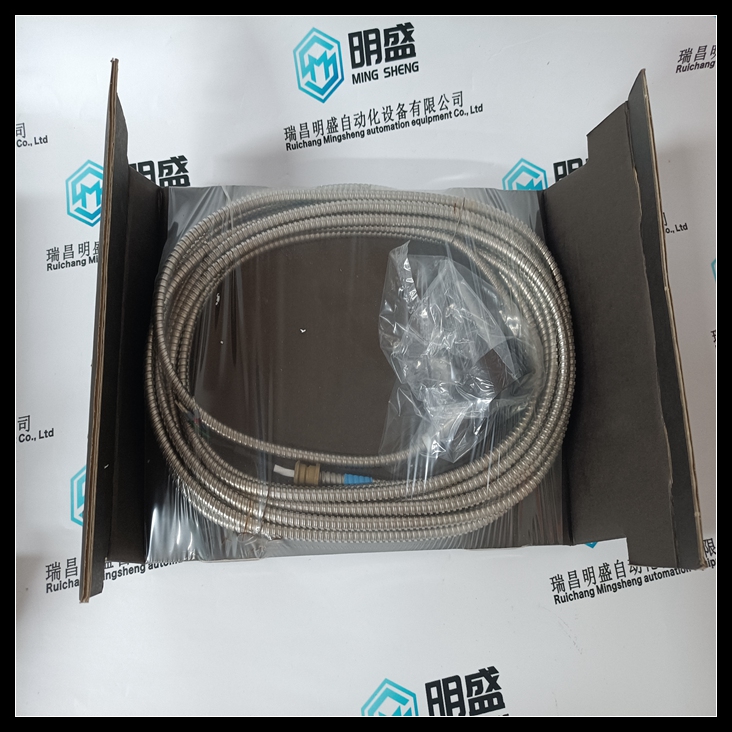
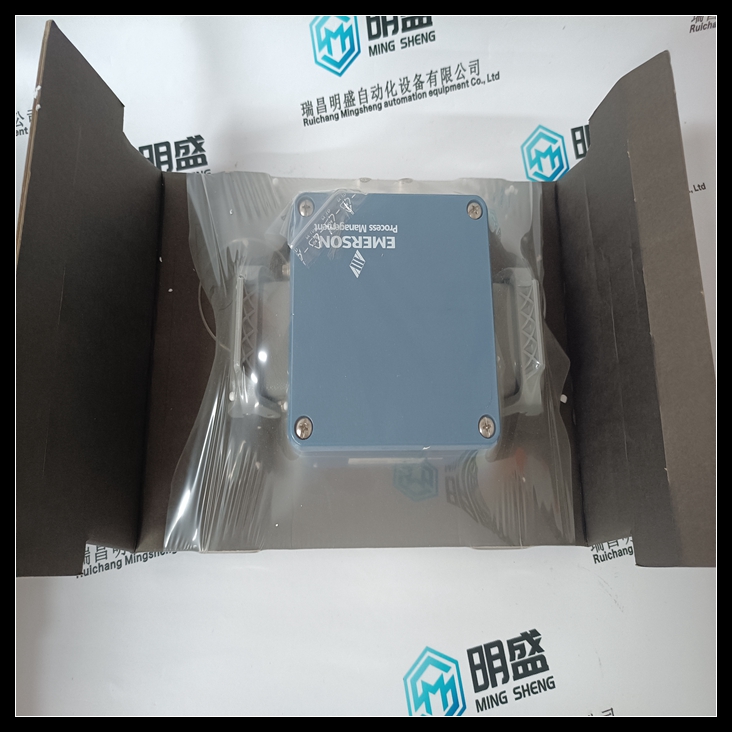
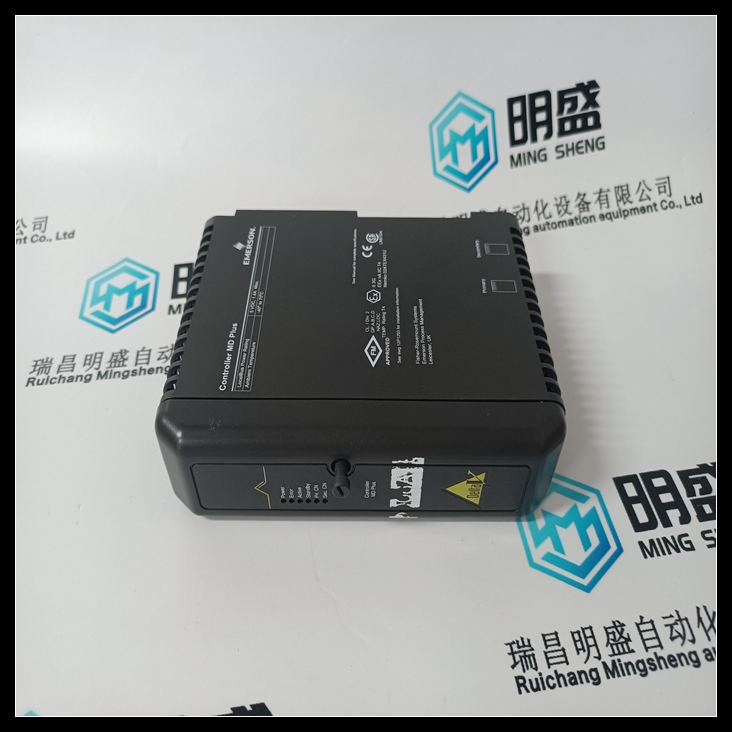
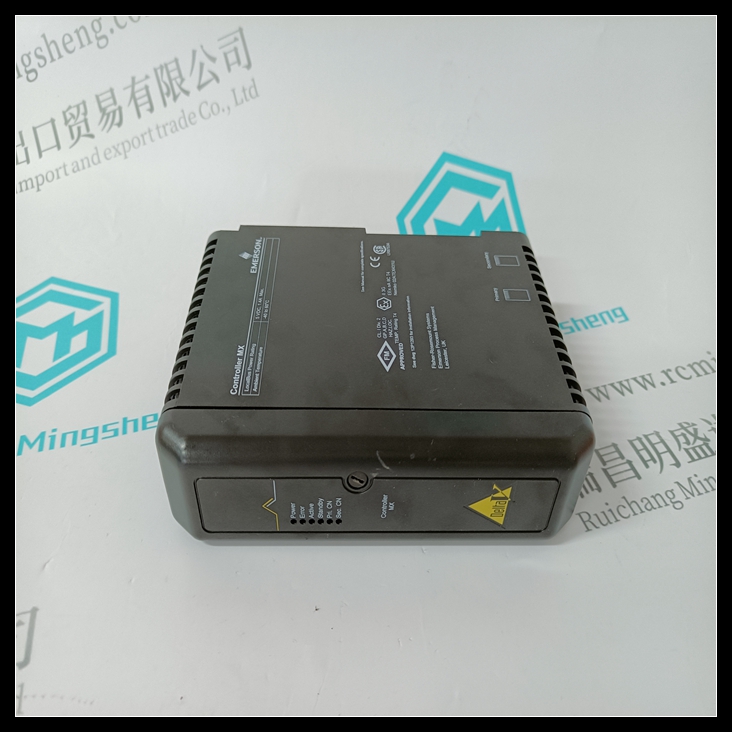
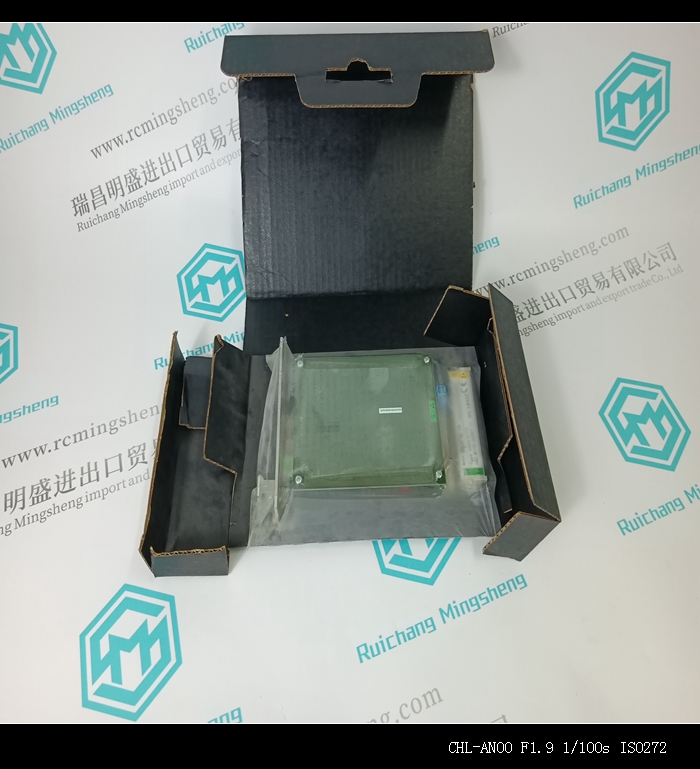
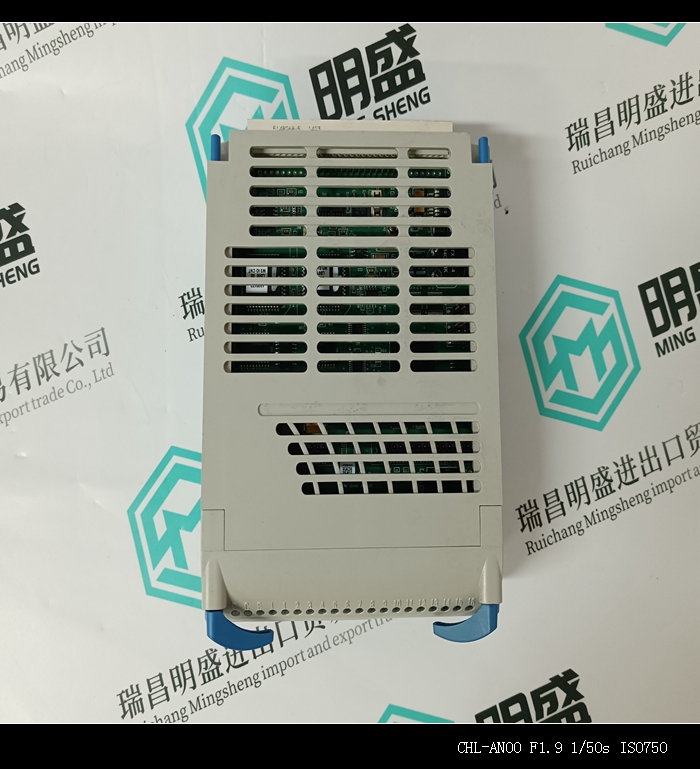
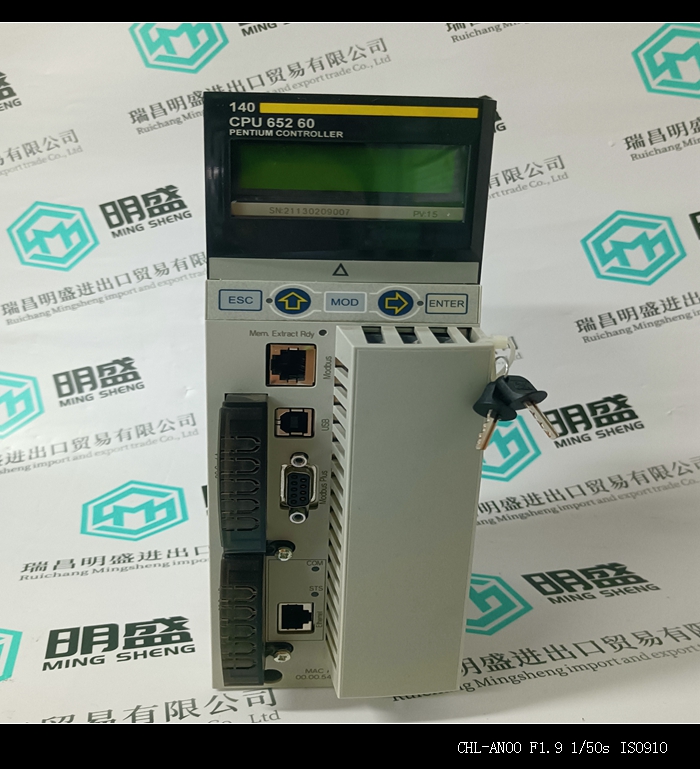
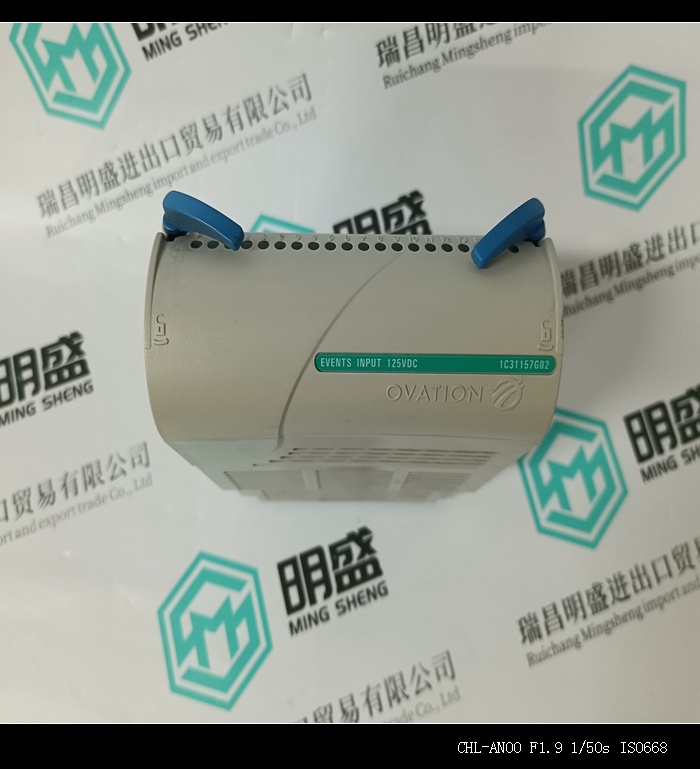
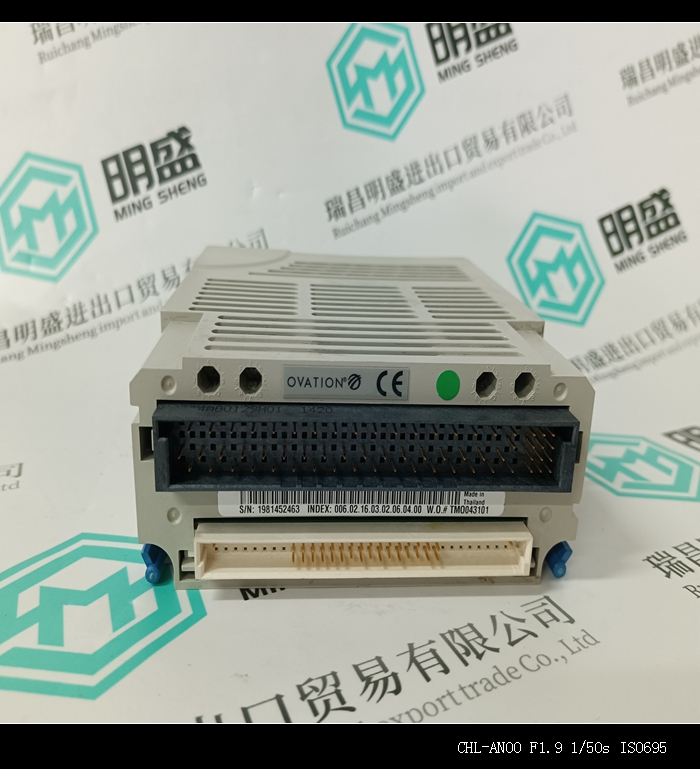
A6500-UM 9199-00117工控备件控制模块

主页 > 产品中心 > EMERSON艾默生

A6500-UM 9199-00117工控备件控制模块

类目:EMERSON艾默生
型号:A6500-UM 9199-00117
全国服务热线:+86 15270269218
手机:+86 15270269218
微信:+86 15270269218
QQ:3136378118
Email:stodcdcs@gmail.com

在线咨询
产品详情
A6500-UM 9199-00117工控备件控制模块 A6500-UM 9199-00117工控备件控制模块
瑞昌明盛进出口贸易有限公司
主营DCS控制系统备件,PLC系统备件及机器人系统备件,
优势品牌:Allen Bradley、BentlyNevada、ABB、Emerson Ovation、Honeywell DCS、Rockwell ICS Triplex、FOXBORO、Schneider PLC、GE Fanuc、Motorola、HIMA、TRICONEX、Prosoft等各种进口工业零部件

A6500-UM 9199-00117工控备件控制模块 A6500-UM 9199-00117工控备件控制模块 A6500-UM 9199-00117工控备件控制模块

A6500-UM 9199-00117工控备件控制模块

上位机MODBUS通信技术 上位机通过MODBUS协议与主电台进行数据通信,因此对协议窗口进行正确设置显得非常重要。设置的内容包括: (1)、通信端口设置,即“com port settings”。如图8所示。

图8 设置内容包括串口及协议选择、波特率和数据位等,在所有参数的设置过程中要充分考虑到与整个系统参数的一致性。 (2)、主题定义,即“MODBUS Topic Ddefinition”。 如图9所示。在该项设置中要注意子站地址需与PLC站点“slave”相对应。

图9 (3)、服务器设置,即“Server Setting”. 如图10所示。

图10
四、系统特点
l)所有设备均是模块式的,并且没有过多的通讯
电缆
,因此安装简便易行,调试周期短,成本低,投资见效快。 2)技术指标较高,数据传输通讯稳定,运行可靠。采用PLC微处理和CPFSK技术,收发转换快,功耗低,工作温度范围广,能在极其恶劣的工业环境中工作。 3)整个系统自动化程度和人性化程度较高,操作人员可以在中控完成对行车排泥的全部操作。
五、结束语
在自来水厂合理地推广排泥行车无线自动化控制系统,不仅可以提高自动化程度,避免行车动态运行与控制线路静态安装的矛盾,还可以降低系统的安装调试成本,减少操作人员的工作量,实现水厂由传统的手动排泥向自动排泥发展。因此,在实际应用中,结合行车的运行时间和沉淀池的运行状态,以无线传输技术为基础,实现排泥行车自动控制,优化运行,其优势是相当明显的。高线设计的加热炉是一种煤气蓄热步进式加热炉。这是一种高效节能、操作简便、易于维护、寿命周期长、全自动化控制的热工系统。加热炉的各个子系统在自动化控制系统的监视和控制之下,实现全自动化控制运行。 加热炉是将煤气燃烧产生热能加热钢坯,这一过程涉及到多种工作介质,主要有煤气、空气、氮气、烟气、蒸汽、软化水、净环水、浊环水、高压水等。加热炉高效、安全、节能运行,就是控制这些工作介质,协调流动,以的工况完成煤气燃烧和钢坯加热这一过程。 加热炉本身就是一个复杂的系统,它又有钢坯入炉系统、步进梁移钢系统、钢坯出炉系统、燃烧及蓄热系统、汽化冷却系统、仪表系统、液压系统、电气驱动系统、自动化控制系统、煤气报警系统等。而加热炉运行的核心系统,就是以电气、仪表、液压为基础的自动化控制系统。 加热炉的电气驱动,主要实现了交流
电机
的变频调速,实现了微机联网的在线控制,使煤气、空气等主要工作介质的流速及供应量的实时控制易于实现和准确控制。加热炉仪表系统,主要采集加热炉的各种介质的工况压力、温度、流量等,并将这些介质的物理参数转化为计算机可以识别的标准电气信号,传送到计算机网络,给计算机的自动化控制提供实时数据。加热炉液压系统,为加热炉的液压驱动设备,如上料台架液压缸、步进梁液压缸、煤气总管眼镜阀液压缸等,一方面给它们提供动力源,一方面通过液压系统阀台对液压油的压力调解,实现了液压设备的受控的和变速的运动,如步进梁的运动就是变速的。液压系统本身就是一个自动化系统(液控自动化),但它必须在电气自动化系统的控制下才能实现复杂的控制工作。range; When the central control room sends the upload instruction, the main working parameters (water quality parameters, flow, liquid level, etc.), operation status and main process curves in a certain period of time in the current operation process are uploaded to the central control room. The functions are as follows:

(1) Control operation:

In the central control room, the controlled equipment can be controlled online in real time, such as starting and stopping a certain equipment, adjusting the size of some analog output, setting some parameters of PLC online, etc.

(2) Display function:

The operating conditions of the controlled equipment on each site and the state parameters of each site are displayed in real time by graphics.

(3) Data management:

According to the change speed and importance of different operating parameters, a production history database is established to store the original production data for statistical analysis. By comparing and analyzing the data in real-time database and historical database, some useful empirical parameters are obtained, which is conducive to optimize the quasi closed-loop control of aeration tank, and display some necessary parameters and results in real-time pictures and reports.

(4) Alarm function:

When the first mock exam (such as current, pressure, water level, etc.) exceeds a given range or a switching quantity (e.g.

electric machinery

When the start stop and valve switch) valve is displaced, different levels of alarm can be sent according to different needs.

(5) Printing function:

It can realize the printing of reports and graphics, as well as the real-time printing of various events and alarms. Printing methods can be divided into timing printing and event triggered printing.

4. System composition and layout

If the conventional PLC centralized control mode is adopted, the on-site signal is connected to the PLC in the centralized control room through cable. Due to the long process