欢迎您访问:瑞昌明盛自动化设备有限公司,我司将竭诚为您服务!
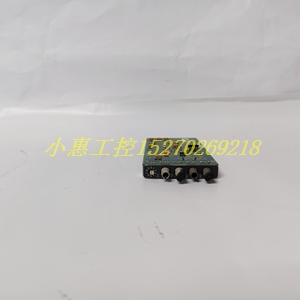
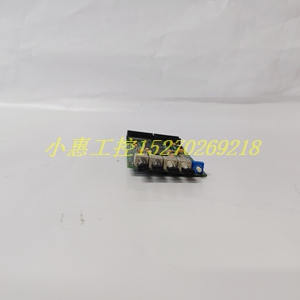
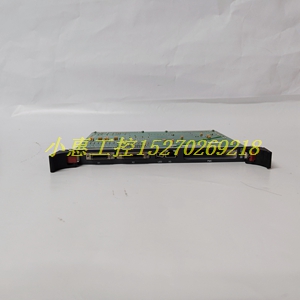
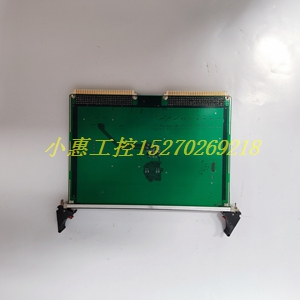
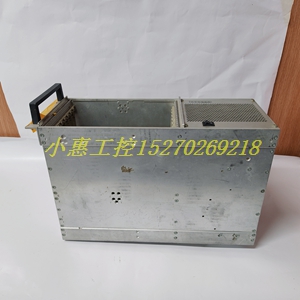
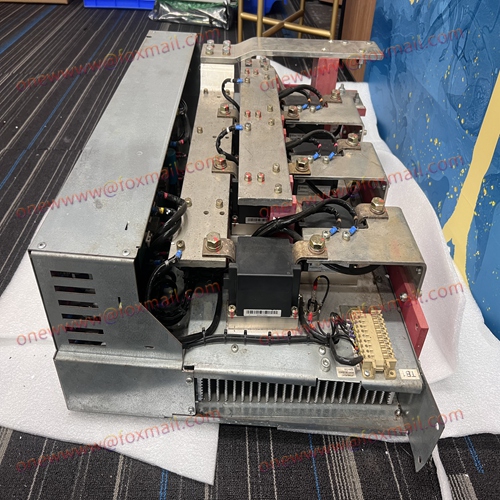
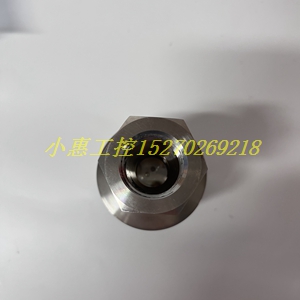
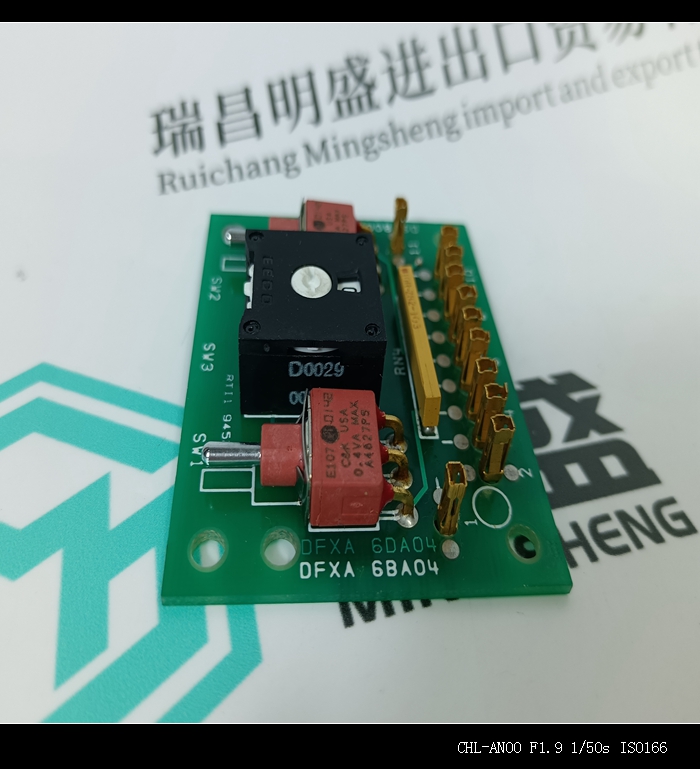
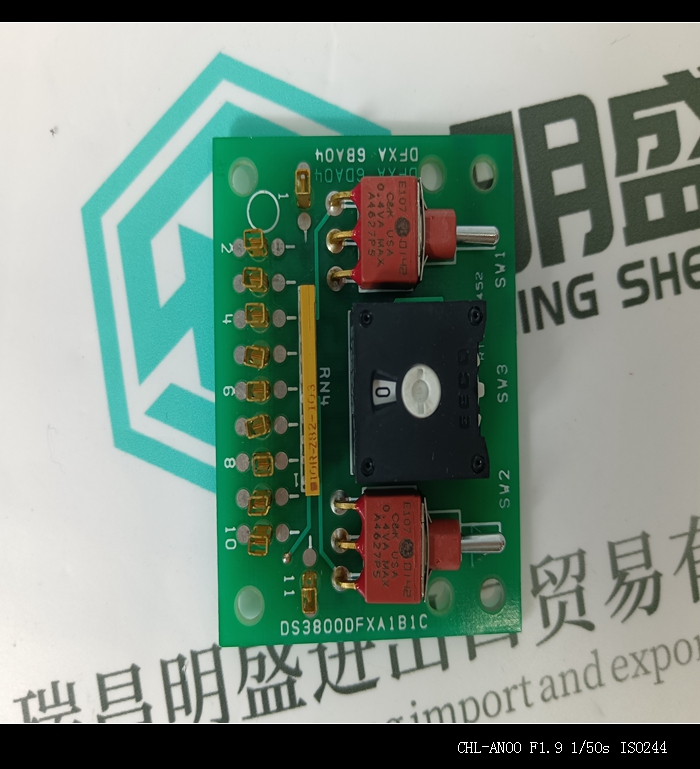
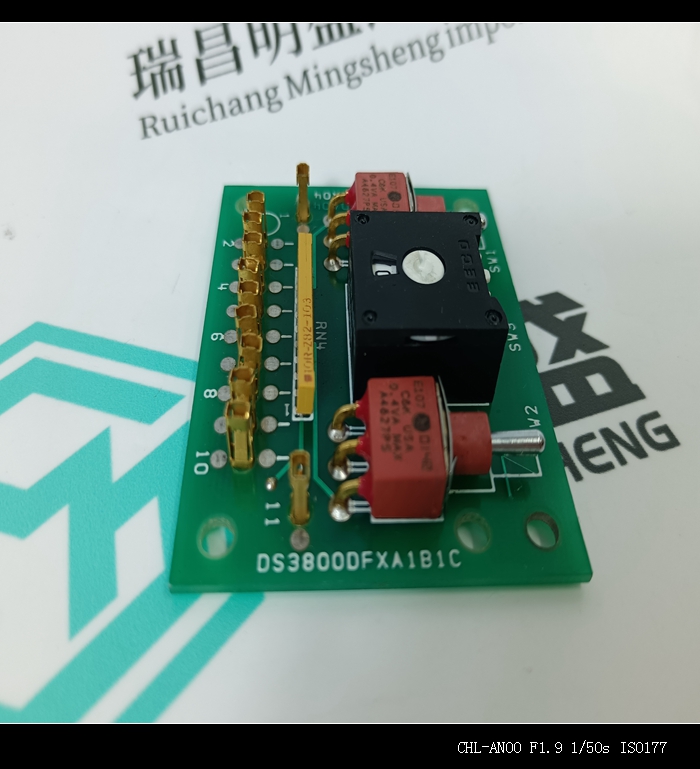
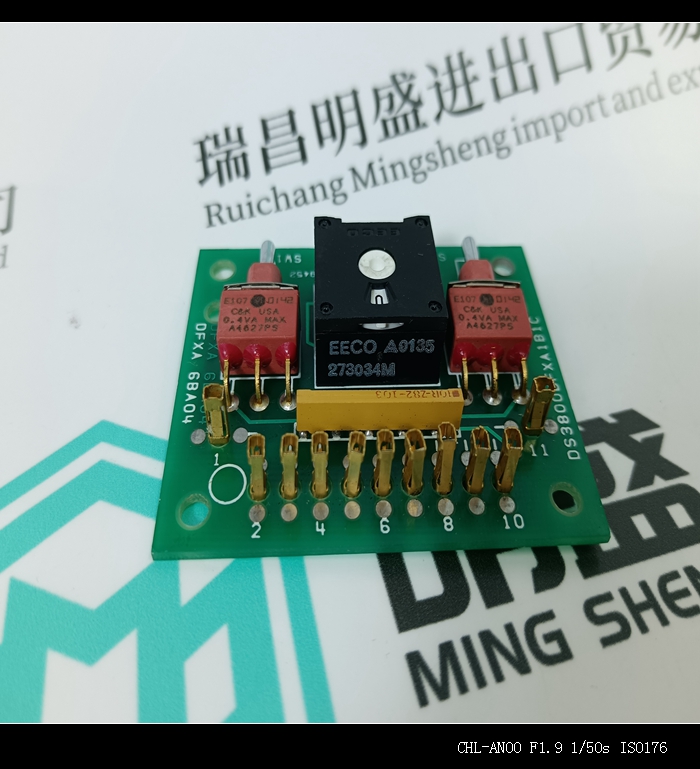
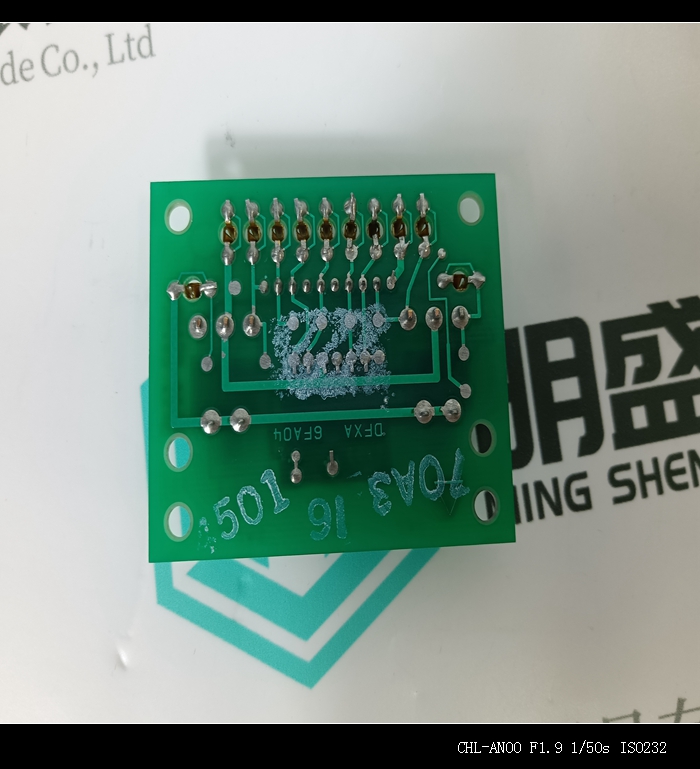
DS3820EPSA通用电气备件现货

主页 > 产品中心 > GE

DS3820EPSA通用电气备件现货

类目:GE
型号:DS3820EPSA
全国服务热线:+86 15270269218
手机:+86 15270269218
微信:+86 15270269218
QQ:3136378118
Email:stodcdcs@gmail.com
在线咨询
产品详情
DS3820EPSA通用电气备件现货
瑞昌明盛进出口贸易有限公司
主营DCS控制系统备件,PLC系统备件及机器人系统备件,
优势品牌:Allen Bradley、BentlyNevada、ABB、Emerson Ovation、Honeywell DCS、Rockwell ICS Triplex、FOXBORO、Schneider PLC、GE Fanuc、Motorola、HIMA、TRICONEX、Prosoft等各种进口工业零部件

DS3820EPSA通用电气备件现货 DS3820EPSA通用电气备件现货 DS3820EPSA通用电气备件现货
DS3820EPSA通用电气备件现货
DS3820EPSA通用电气备件现货
DS3820EPSA通用电气备件现货
液压锁的锁紧效果取决于阀芯形状和阀的结构型式。 阀芯如果采用球阀式或滑阀式,其泄漏仍将是难免的,即油液有可能通过因阀芯冲击而产生的沟槽或阀芯与阀体间的间隙泄漏。因此,用在汽车起重机中的液压锁阀芯应该选用密封性能好的锥芯,即使长久使用也能保证滴油不漏。 根据汽车起重机的工况特点,应选用带有卸荷阀芯的IY-F型高压液压锁。 对支腿油路,有支撑锁紧和悬挂锁紧两项锁紧要求。根据不同油路,每个支腿可采用仅为一个液控单向阀、仅能起单向锁紧作用的单向液压锁,或由两个液控单向阀交叉连接而成的双向液压锁。一般采用的是后一种方案。每个支腿锁紧装置都必须独立设置。 (2)在回油路中串联平衡阀 平衡阀实质上是单向阀与外控内泄式顺序阀组合而成的组合阀,它在汽车起重机中的安装位置和锁紧原理与液压锁的完全相同,即安装在回油路中,制动后切断回油路。如果对油路无其他特殊要求,还是应尽量采用价格相对低的液压锁。 (3)提高液压元件的密封性 在油路中安装液压锁或平衡阀后,并不一定能完全保证机构制动后能锁紧,液压缸(液压马达)的密封性也是制约锁制效果的关键因素。 液压元件的漏油分内泄和外泄漏两种。液压缸内泄漏不易察觉,将导致支腿收放、吊臂伸缩及变幅3机构无法锁紧而发生下沉现象。因此,提高液压缸的密封效果,关键是解决发生在其内部的内泄漏问题。 一般来说,对汽车起重机液压缸内部的漏油量应严格限制。安全检查时,规定额定压力下活塞的移动距离为10min内不应大于0.5min。超过此值,说明密封性能不好,要及时更换新的Y形圈。 (4)吊重升降液压马达外抱
制动器
欲使液压缸、液压马达长久地不产生内泄漏是很难察现的,其密封件磨损后泄漏会在不知不觉中产生。这样,若锁紧牢固就只有安装制动器一种方法了,且只能在使吊重升降的液压马达上采用,其他的如对吊臂伸缩、变幅等则无法采用。 对吊重升降机构起作用的制动器实际上是一只小型的单杆单作用液压缸,制动器为常闭式,制动力取决于缸内的弹簧力。为了获得理想的锁紧效果,当然希望弹簧力越大越好,但过大的弹簧力又会使制动器松闸能耗加大,所以外抱制动器是其锁紧方案的辅助手段。 2、运动中限速 由于汽车起重机吊重升降、吊臂伸缩、吊臂变幅的行程都较长,机构或载荷下行过程中因重力作用而产生的加速现象也是一个比较突出的问题。汽车起重机限速通常采用以下两种方法。 (1)在回油路中串联平衡阀 平衡阀的作用不但能锁紧,还能限速。当机构或载荷下降时,平衡阀内的顺序阀能借助阀芯的平衡作用,使液压缸(液压马达)的回油流量保持稳定状态,从而使液压缸(液压马达)保持均速运动。为了获得均匀的下降速度,设计系统时要注意两点:一是不能为了节省成本,就简单地用一般的单向阀与外控内泄漏式顺序阀并接组合来代替平衡阀。这是因为平衡阀虽然也是单向阀与外控内泄漏式顺序阀的组合,但其顺序阀已经增加了双层弹簧、阻尼小孔等使阀芯减振的装置;二是平衡阀的控制油路要串联节流阀,以使顺序阀的阀芯动作“迟滞”,不因外部压力的微小变化而使其速度有所改变。在限速方案中,使用平衡阀的效果是理想的,是的方法。 (2)用手动换向阀限速 在所有的换向阀中,只有手动换向阀在换向的同时,通过控制阀口开度的大小可以兼有限速和节流调速的作用。因此,当汽车起重机机构或载荷发生下行加速现象时,可通过驾驶员减小手动换向阀手柄的拉动程度来减小阀口开度的办法加以解决。当然,由于驾驶员手的抖动会使手动换向阀的限速效果不甚理想,但因为汽车起重机的装卸作业速度往往要根据施工现场的具体情况不断地调整,机构的运动常常为不连续的间歇作业,因此熟练驾驶员操纵手动换向阀还是能够收到一定限速效果的。 reinforcement due to bleeding, improve the bonding force and tensile strength, reduce internal cracks and pores and improve the crack resistance. When pumping in high temperature season, warm straw bags should be used to cover the pipeline for cooling to reduce the molding temperature. (3) Pay attention to curing after pouring. Concrete curing is mainly to maintain appropriate temperature and humidity conditions. Thermal insulation can reduce the thermal diffusion of concrete surface, reduce the temperature difference of concrete surface and prevent surface cracks. After concrete pouring, cover it with wet straw curtain and hemp sheet in time, pay attention to watering and curing, and appropriately extend the curing time to ensure that the concrete surface cools slowly. In cold seasons, thermal insulation measures shall be set on the concrete surface to prevent the attack of cold wave. 4. Treatment methods of temperature cracks the repair measures of concrete cracks mainly include the following methods: such as surface repair method, caulking method, structural reinforcement method, concrete replacement method, etc. 4.1 surface repair method surface repair method is mainly applicable to the treatment of surface cracks and deep cracks that have no influence on stability and structural bearing capacity. The usual treatment measures are to apply cement slurry, Epoxy Mastic on the surface of the crack or paint, asphalt and other anti-corrosion materials on the concrete surface. While protecting, in order to prevent the concrete from continuing to crack under the influence of various functions, measures such as pasting glass fiber cloth on the surface of the crack can be adopted. 4.2 caulking method caulking method is the most commonly used method in crack sealing. It usually chisels along the crack and fills the groove with plastic or rigid water stop materials to achieve the purpose of sealing the crack. Commonly used plastic materials include PVC mastic, plastic ointment, butyl rubber and so on; The commonly used rigid waterproof material is polymer cement mortar. 4.3 structural reinforcement method when cracks affect the performance of concrete structure, reinforcement method should be considered to deal with concrete structure. The following methods are commonly used in structural reinforcement: increasing the cross-sectional area of concrete structure, outsourcing section steel at the corners of components, strengthening with prestressed method, pasting steel plate, adding fulcrum reinforcement and shotcrete reinforcement. 4.4 concrete replacement method concrete replacement method is an effective method to deal with seriously damaged concrete. This method is to remove the damaged concrete first, and then replace it with new concrete or other materials. Common replacement materials include: ordinary concrete or cement mortar, polymer or modified polymer concrete or mortar. 5. Conclusion the existence of temperature cracks is an inevitable common phenomenon in concrete construction, and the same is true for pumping concrete construction. However, we should understand that the occurrence of cracks will not only reduce the impermeability of buildings and affect the use function of buildings, but also cause the corrosion of reinforcement, the carbonization of concrete, reduce the durability of materials and affect the bearing capacity of buildings. Therefore, during construction, we should fully recognize the harm of cracks to buildings, take various effective measures and reasonable treatment