欢迎您访问:瑞昌明盛自动化设备有限公司,我司将竭诚为您服务!
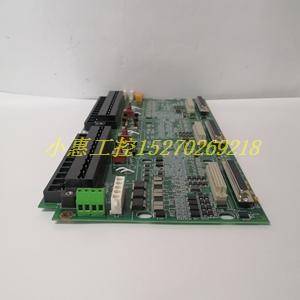
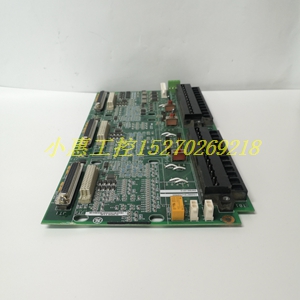
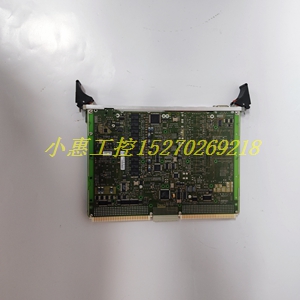
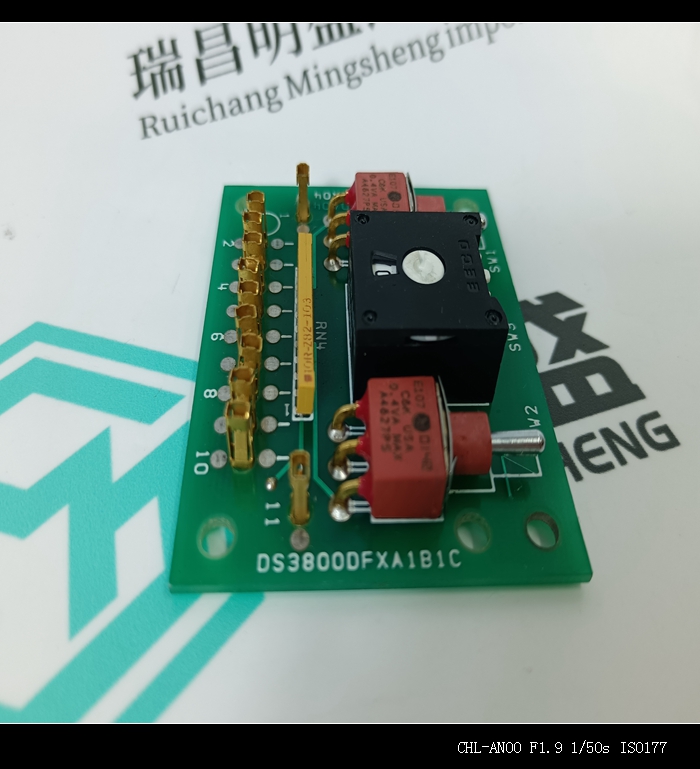
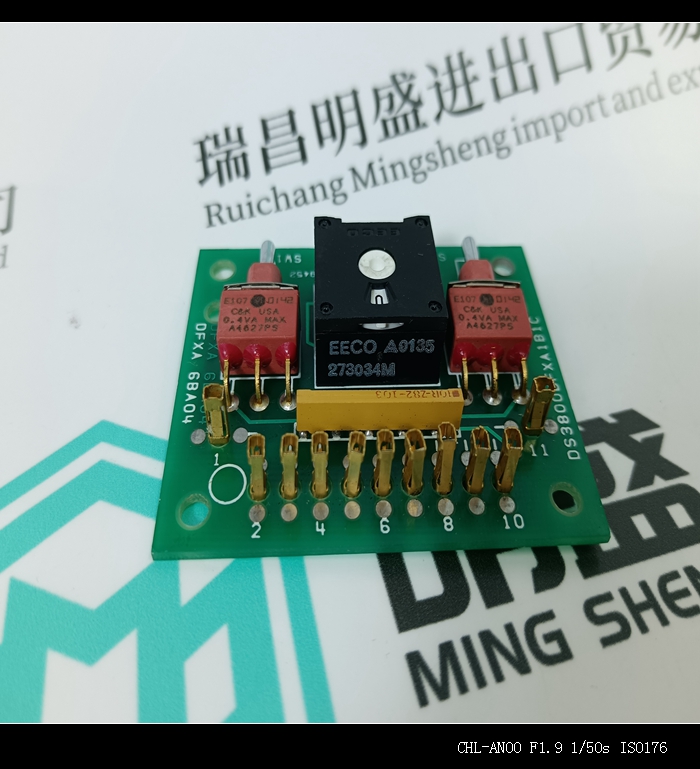
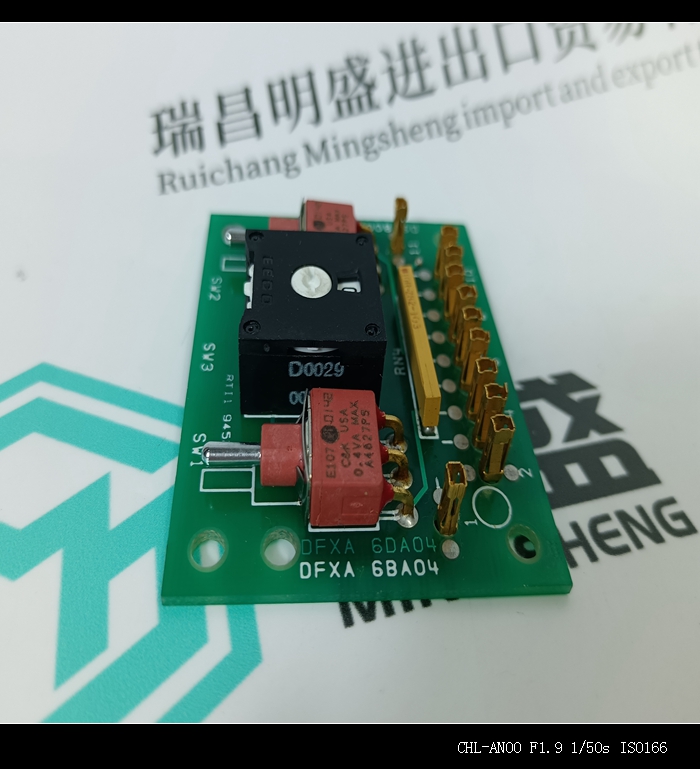
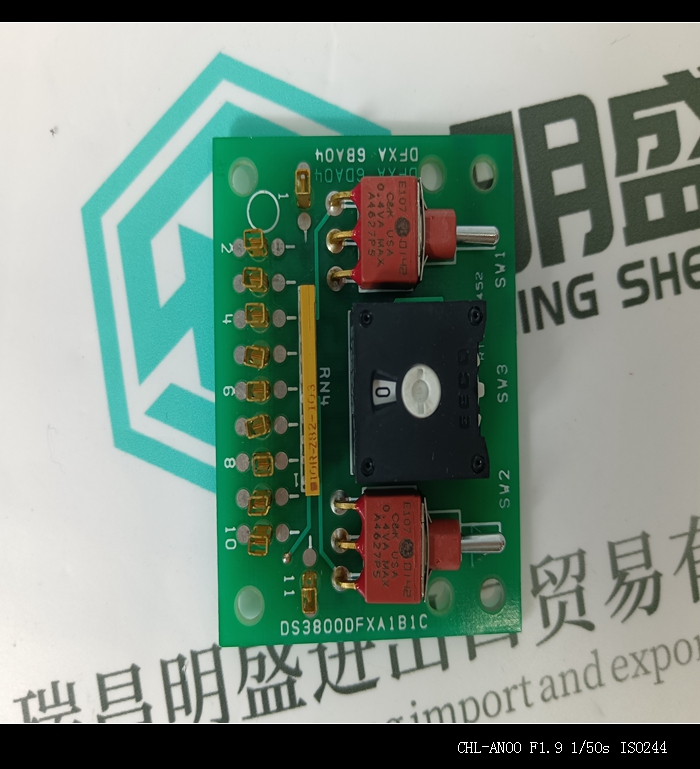
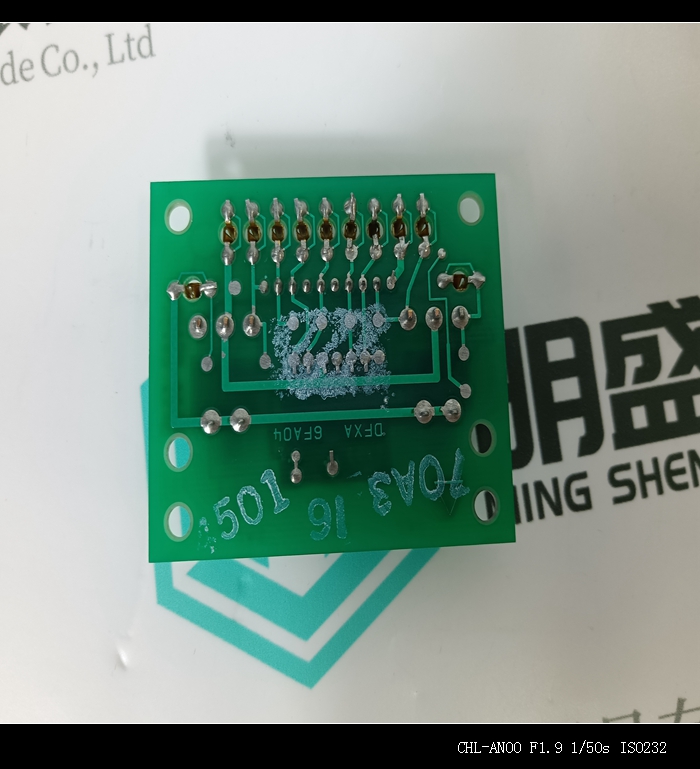
DS3800NVCD工控备件现货

主页 > 产品中心 > GE

DS3800NVCD工控备件现货

类目:GE
型号:DS3800NVCD
全国服务热线:+86 15270269218
手机:+86 15270269218
微信:+86 15270269218
QQ:3136378118
Email:stodcdcs@gmail.com
在线咨询
产品详情
DS3800NVCD工控备件现货
瑞昌明盛进出口贸易有限公司
主营DCS控制系统备件,PLC系统备件及机器人系统备件,
优势品牌:Allen Bradley、BentlyNevada、ABB、Emerson Ovation、Honeywell DCS、Rockwell ICS Triplex、FOXBORO、Schneider PLC、GE Fanuc、Motorola、HIMA、TRICONEX、Prosoft等各种进口工业零部件

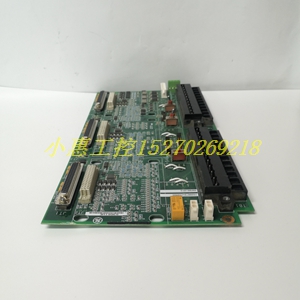
DS3800NVCD工控备件现货 DS3800NVCD工控备件现货 DS3800NVCD工控备件现货
DS3800NVCD工控备件现货
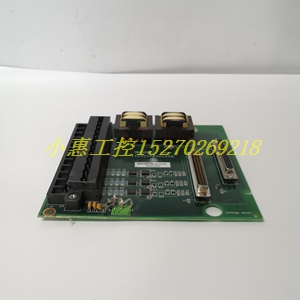
DS3800NVCD工控备件现货
DS3800NVCD工控备件现货
新要求是具有CAD/CAM功能,远程生产线管理和维护、故障诊断和自动修复功能等。 流水生产线又是制造技术与管理技术结合的典范。二十世纪影响了人类制造业的几大管理技术多产生于汽车生产线。如,福特生产方式,丰田生产方式,准时制(JIT),精益生产等。这里不再阐述。 发动机制造技术的发展与变革 正像发动机是汽车的心脏一样,发动机制造技术是汽车制造技术的集中体现。 (1)汽车面世以来,发动机制造技术已经经历了两次革命。 一次革命发生在二十世纪初,美国福特汽车公司创始人福特发明了大量生产流水线。其主要方式,是由组合/专用机床(special purpose machine/ Transfer machine )组成的自动生产线 TL(Transfer Line) ,也称为传统自动线。其大优点是高生产效率——几十甚至上百把刀同时加工,其效率是任何其他类型生产线无法比拟的;低价格——特别是我国,组合专机价格甚至低于批量生产的通用数控机床。大缺点是柔性差,一旦产品变型和更换品种即基本无法使用。我国汽车行业从诞生至二十世纪九十年代初期,一直沿用TL。目前我国轿车行业生产大多不采用TL。但在国外大量生产稳定产品的生产线中,TL仍是佳选择。 为了解决产品的变型生产和便于更换品种,柔性生产技术被引进了汽车生产。二十世纪九十年代出现了高转速、高快移速度、高加速度、快速换刀的高速加工中心。由其组成的高速柔性生产线FTL(Flexible Transfer Line)是发动机制造技术的第二次革命。其突出特点是一定程度上克服了高柔性和低效率的矛盾。这种生产线不仅可加工同样产品范围内的零件,而且可加工变型产品、换代产品以及新产品,真正具备了柔性的意义。缺点是投资较大,效率受局限。目前是我国轿车企业的热点生产线。 为了进一步提高高速柔性生产线的生产效率,更快地适应市场变化,FTL的新发展是敏捷高速柔性生产线——AFTL(Agile Flexible Transfer Line),目标是: ·对变化的市场需求快速做出反映; ·满足现代轿车发动机“多品种、大中批量、高效率、低成本”的需要; ·符合“精益生产”原则——用小投资赢得大经济效益。 AFTL的主要特点是: ·由通用高速加工中心和专用/组合机床组成的混合(Hybrid)型柔性生产线(HSMC+SPM/TM)。按照工序流程排列设备并由自动输送装置连接,全部生产线上机床、输送和工件识别均在一个控制系统中; ·采用敏捷夹具(柔性夹具-可控、可调夹具); ·采用“智能刀具(Smart Tools)”——为特定零件加工设计的一系列专用高效刀具。 这种生产线的优点是生产效率高同时又具有相当的柔性,能够适合大批量生产和变型产品生产,同时投资较小。缺点是柔性受局限,不能加工不可预见的任意品种零件。目前,混合型柔性生产线在国内外汽车行业应用广泛。 (2)目前发动机制造技术正酝酿着第三次革命 背景是,一方面,随着技术进步,发动机研发速度越来越快,新产品开发周期从30个月缩短到13个月;同时,日益发展的多样性需求,使车型数量急剧增加。如,我国一汽车集团在2000-2004年期间开发出920种新车型;日本丰田公司10年中车型数量增加两倍。另一方面,在发动机市场竞争愈发激烈情况下,发动机生产批量不确定性增大。目前流行的柔性生产线,由于价格昂贵,投资风险加大。同时,产能过剩矛盾日益突出——尤其是我国更加严重。近年来,人们一直在探讨解决多样性与经济性日益突出的矛盾,满足变品种、变批量的需要,兼顾高柔性、高效率、低投资的要求和对市场的快速反应能力;同时,也在探讨以制造系统的革命来解决产能过剩的世纪矛盾。 美国提出了《可重构制造系统RMS(Reconfigurable Manufacturing Syst
ems
)》。美国国家研究委员会1998年将RMS列为未来20年制造业必须优先解决的10大关键技术之首。RMS着眼于发展制造系统的结构快速调整能力,原理是通过对制造系统中机床配置的调整和机床功能模块的增减,迅速构成适应新产品生产或生产批量变化的市场环境。为此研制了可重构机床RMT(Reconfigurable Machine Tools)。RMT由标准化的模块组成。与传统模块化机床(如,组合机床)本质性区别是它的使用中的可重构性。RMS的结构和布局可依需要在用户现场快速重组。 RMT的应用基础之一是柔性夹具。lead to the sharp decline of the concrete surface temperature and shrinkage. The concrete with surface shrinkage is constrained by the internal concrete, which will produce great tensile stress and cracks. This kind of cracks usually occur only in the shallow range of the concrete surface. The trend of temperature cracks is usually irregular, and large-area structural cracks are often crisscross; For the structures with large length and size, the cracks are mostly parallel to the short side; Deep and penetrating temperature cracks are generally parallel or nearly parallel to the direction of the short side. The cracks appear in sections along the long side and are dense in the middle. The crack width is different, which is obviously affected by temperature change. It is wider in winter and narrower in summer. The temperature crack of concrete caused by high temperature expansion is usually thick in the middle and thin at both ends, while the thickness change of cold shrinkage crack is not obvious. The occurrence of such cracks will cause the corrosion of reinforcement, the carbonization of concrete, and reduce the freeze-thaw resistance, fatigue resistance and impermeability of concrete. 3. Influencing factors and prevention measures the internal temperature of concrete is related to the thickness of concrete and the type and dosage of cement. The thicker the concrete, the greater the amount of cement and the higher the hydration heat, the higher the internal temperature, the greater the temperature stress and the greater the possibility of cracks. For mass concrete, the temperature stress formed is related to its structural size. Within a certain size range, the larger the concrete structural size is, the greater the temperature stress is, and the greater the risk of cracks is. This is the main reason why mass concrete is prone to temperature cracks. Therefore, the most fundamental measure to prevent cracks in mass concrete is to control the temperature difference between the interior and surface of concrete. 3.1 selection of concrete raw materials and mix proportion (1) try to use low heat or medium heat cement to reduce the amount