欢迎您访问:瑞昌明盛自动化设备有限公司,我司将竭诚为您服务!
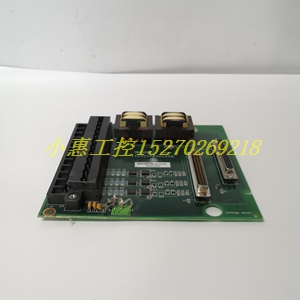
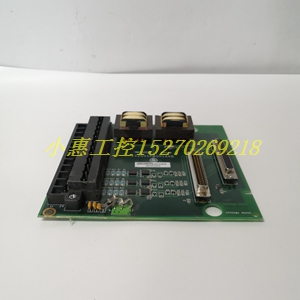
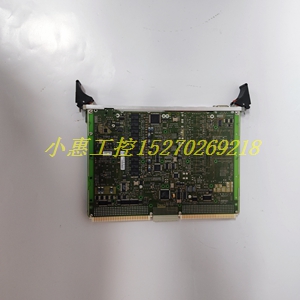
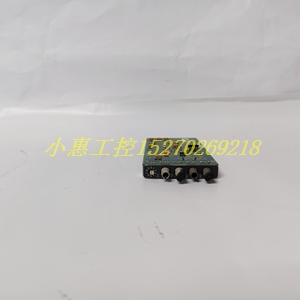
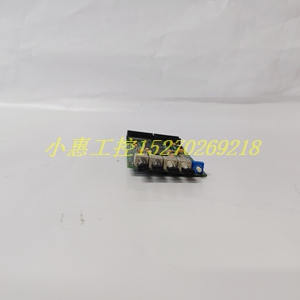
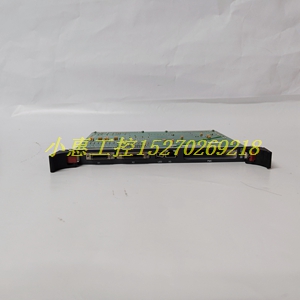
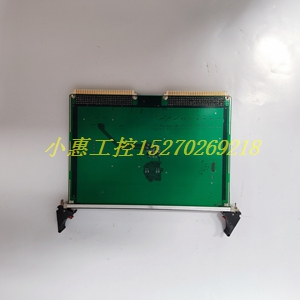
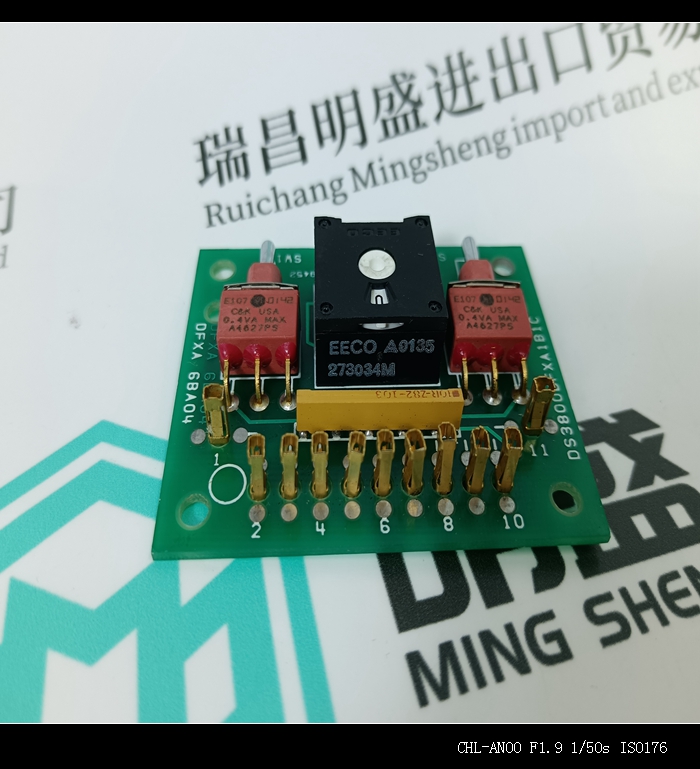
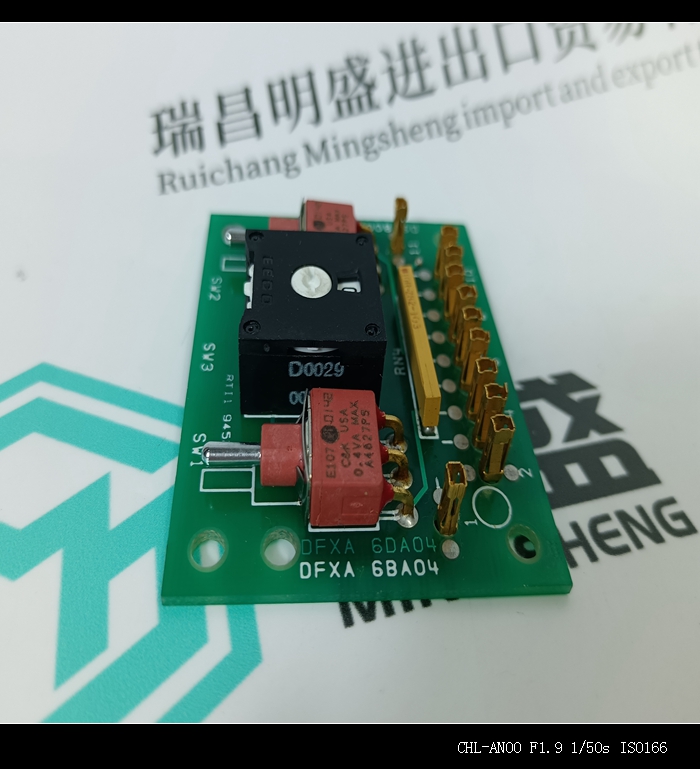
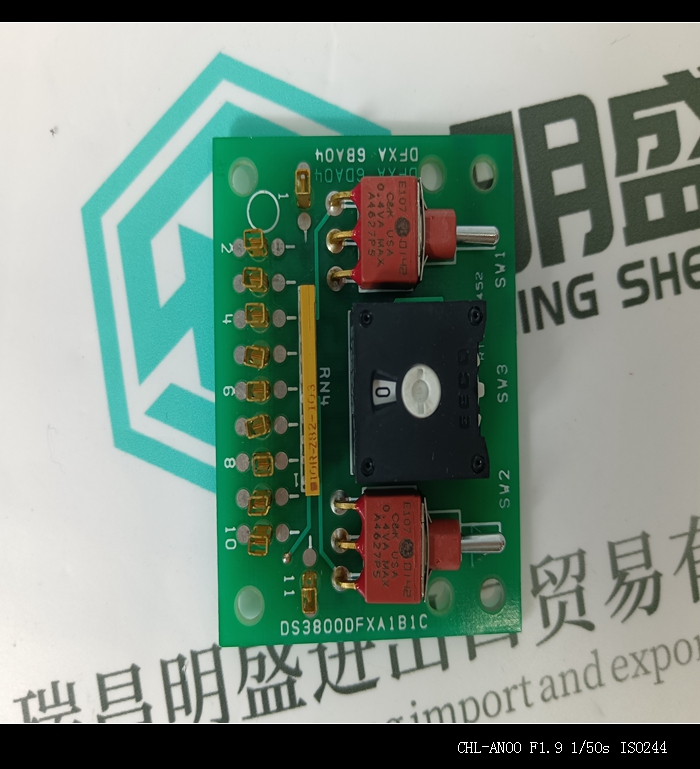
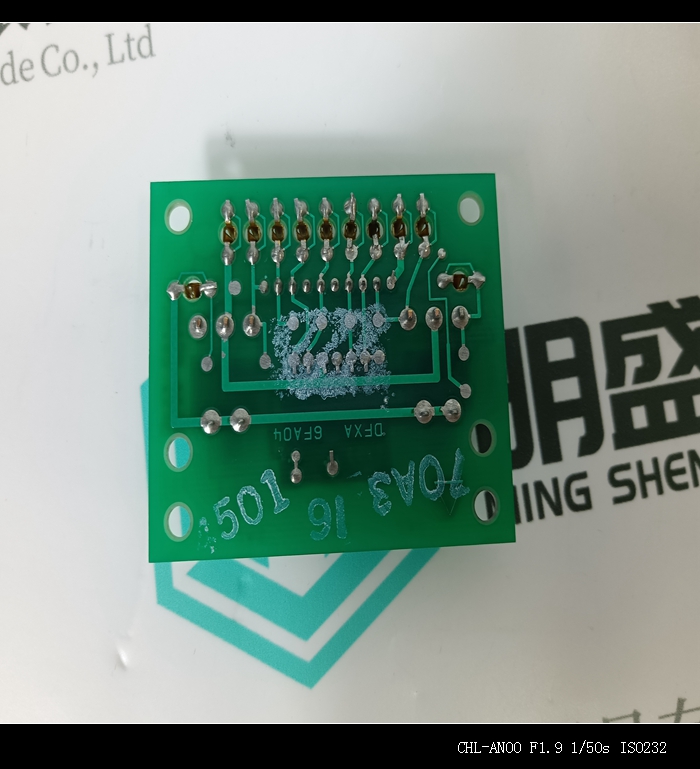
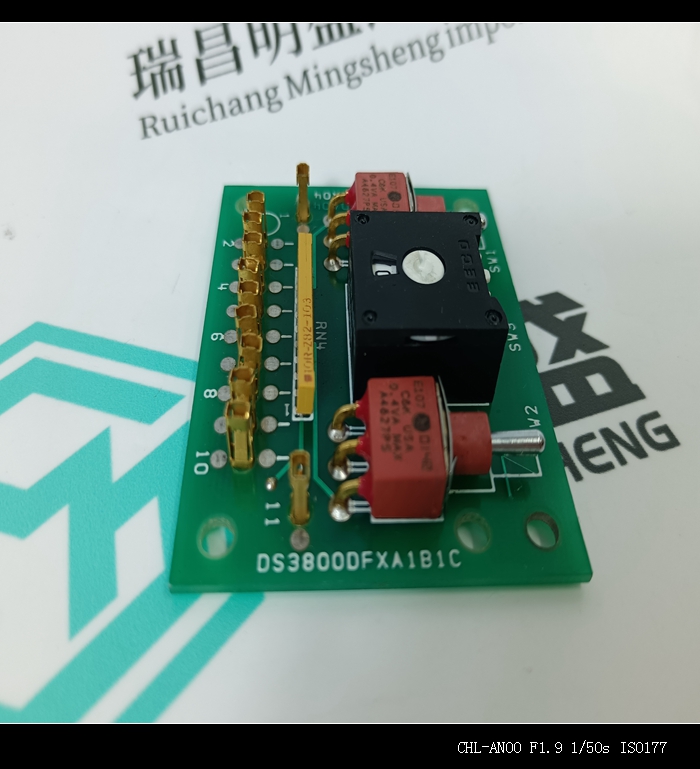
DS3800NADC燃机工控备件现货

主页 > 产品中心 > GE

DS3800NADC燃机工控备件现货

类目:GE
型号:DS3800NADC
全国服务热线:+86 15270269218
手机:+86 15270269218
微信:+86 15270269218
QQ:3136378118
Email:stodcdcs@gmail.com
在线咨询
产品详情
DS3800NADC燃机工控备件现货
瑞昌明盛进出口贸易有限公司
主营DCS控制系统备件,PLC系统备件及机器人系统备件,
优势品牌:Allen Bradley、BentlyNevada、ABB、Emerson Ovation、Honeywell DCS、Rockwell ICS Triplex、FOXBORO、Schneider PLC、GE Fanuc、Motorola、HIMA、TRICONEX、Prosoft等各种进口工业零部件

DS3800NADC燃机工控备件现货 DS3800NADC燃机工控备件现货 DS3800NADC燃机工控备件现货
DS3800NADC燃机工控备件现货
DS3800NADC燃机工控备件现货
DS3800NADC燃机工控备件现货
通常纸浆pH为6~7, 适合膨化剂的使用,有很好的膨化效果。蔗渣浆的pH值一般大于7。应略增加膨化剂用量。一般为 0.5%, 即有较好的效果。 (3)膨化剂的功效 通过实验和纸厂中的应用试验,结果表明我们研制的膨化剂有以下几方面功效: A.膨化作用 纸浆中加入膨化剂后抄造的成品纸蓬松、有弹性,并基本上能保持原有的强度。表3列出了以木浆为原料加入不同量膨化剂后抄造的同直径同高度的卫生卷筒纸的质量。

表中数据表明, 通常在木浆中加入0.3%的膨化剂其膨化度为5.5%,即相同体积的卷筒纸,其质量下降5.5%,即1.1g左右 B.降低抄纸定量 纸浆经过膨化后,体积增大。试验表明抄造同体积的成品卫生纸,所需的纸浆原料比原来要下降3% ~10% , 一般下降5%。因此.使用了膨化剂后, 节约了原料和降低了成本。 c.柔软作用 加入该膨化剂抄造的成品纸有良好的柔软性, 使用时有光滑、细腻、丰满的感觉。因此, 使用本品时, 不用再加入柔软剂。目前,有许多生活用纸生产厂家, 通过加入柔软剂来提高纸页的柔软性,通常柔软剂用量一般为干浆的0.5% ~1.5%, 而使用本工作研制的膨化剂加入量为0.3% ~0.5%, 加之本品价格比柔软剂便宜,所以使用后既节省了成本又提高了纸品质量。 D.增加造纸网毯的脱水性 本膨化剂中的表面活性剂在抄造过程中能降低网毯中水滴的表面张力, 有利于清除网毯表面的粘污物和细小纤维,从而提高了造纸网毡的脱水性能。 E.减少粉尘飞扬 纸页经纸机干燥部烘干后,其中膨化剂能将细小粉尘纤维聚集在一起形成柔软的薄膜,基本上抑制了粉尘飞扬,这对高速机台特别有利。 3 结语 本工作研制的膨化剂经多家用户使用及专家鉴定, 一致反映良好。目前, 本膨化剂的生产量和用户正在不断增加。流水生产线 一个多世纪以来虽然几经革命,它却一直是汽车及零部件生产方式的主体。 流水生产线根本技术是集成技术——将工艺系统、物流系统、信息系统集成为流水生产线。 (1)工艺系统:即机床——工具——工件系统。 现代轿车流水生产线的工艺装备,已经进入柔性化时代,由
数控机床
和智能工具组成。 对机床主要要求是:高速度、高精度、高精度保持性——高机床工程能力指数(Cm/Cmk值),高可靠性,等。 用于发动机生产线的高速加工中心:快移速度60~100 m/min,加速度0.6~1.5g;主轴高转速8,000~15,000 r/min;定位精度/重复定位精度——工作台1m以下,8μm/4μm (VDI标准),工作台1m以上,10μm/5μm/M (VDI标准)。 目前,国际上这类加工中心的新发展是,主运动普遍采用电主轴,进给运动愈来愈多采用直线
电机
。同时,普遍运用三坐标模块化和箱中箱结构,机床非常简约,外购件(配套件)比例增加,交货期大大缩短。日本MAZAK公司新一代的UH“瘦身”型加工中心,采用双X轴进给方式,机床宽度缩短38~57%,大大减少生产线占地面积和投资。 用于模具加工的3~5轴床身式、龙门式数控/仿形高速铣床(加工中心):主轴高转速20,000~40,000 r/min; 机床工程能力指数/工序能力指数Cmk/Cpk值≧2.0/1.67 。 平均无故障工作时间MTBF,日本远州2002年资料目标为5 000小时。 (2)物流系统:由原材料处理、存储、上下料装置、机床间工件传输装置组成。 在单台数控机床配备工件库或原材料库和自动上下料装置(含机械手、机器人)的条件下,即在与物料存储与传送及其自动控制集成的条件下,构成柔性制造单元(FMC)。在多台数控机床配备自动上下料与物料存储和传送及与生产计划调度用计算机集成的条件下,构成柔性制造系统(FMS)。在不含计划调度系统和工件单向流动时,组成柔性生产线。 (3)信息系统: 主要包括生产线控制、刀具更换、工装及附具更换、工件调度、自动编程、自动监控、自动补偿、工件质量自动检测、刀具磨损或破损后的自动更换和自动报警等。PROFIBUS when communicating with the PLC of the equipment_ In FMS mode, its communication medium is shielded twisted pair, and its maximum communication rate can reach 1.5mbit/s.

10kV and relevant signals of each substation exchange data with the field control station through intelligent relay protection device and intelligent air circuit breaker and PROFIBUS-DP communication mode. Each bay protection and measuring device is used as the slave of the field control station.

The field control station adopts Siemens S7 400 PLC and the CPU adopts 4163dp high-grade CPU, which has the advantages of fast operation speed and rich resources.

The computer monitoring software adopts Siemens WinCC, which has the functions of picture display, trend curve, alarm processing, report processing, data management, online browsing and so on.

The whole automatic control system embodies the advanced automatic control concept of Siemens plant wide integration, and the network structure fully conforms to the international standard of fieldbus. With the continuous development of construction technology, pumping concrete construction technology has been popularized and applied. Pumping concrete can not only improve the construction performance of concrete, but also improve the impermeability and durability of thin-walled reinforced structures with little or no vibration. At the same time, the use of a large number of aggregate should be paid enough attention to the degree of hydration and the durability of concrete. Therefore, this paper discusses some superficial understanding on the generation mechanism of temperature cracks and how to effectively control the emergence and development of cracks. 2. Mechanism and characteristics of temperature cracks after concrete pouring, cement hydration produces a large amount of hydration heat in the hardening process. Due to the large volume of concrete, a large amount of hydration heat accumulates inside the concrete and is not easy to dissipate, resulting in a sharp rise in the internal temperature, and the rapid heat dissipation on the concrete surface, resulting in a large temperature difference inside and outside the concrete structure. These temperature differences cause different degrees of internal and external thermal expansion and cold contraction, resulting in a certain tensile stress on the concrete surface. When the tensile stress exceeds the tensile strength limit of concrete, cracks will appear on the concrete surface, which mostly occur in the middle and late stage of concrete construction. In the construction of concrete, when the temperature difference changes greatly, or the concrete is attacked by the cold wave, it will