欢迎您访问:瑞昌明盛自动化设备有限公司,我司将竭诚为您服务!
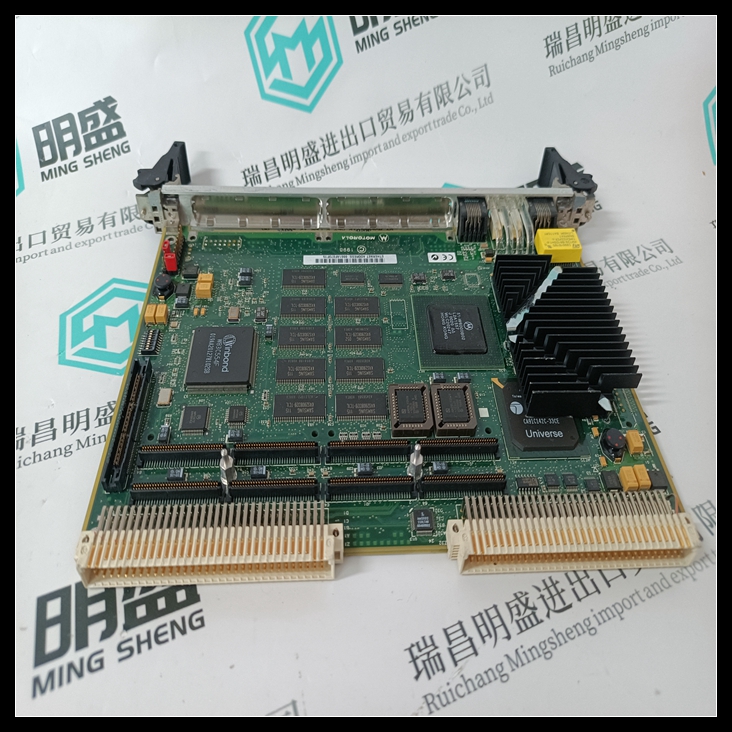
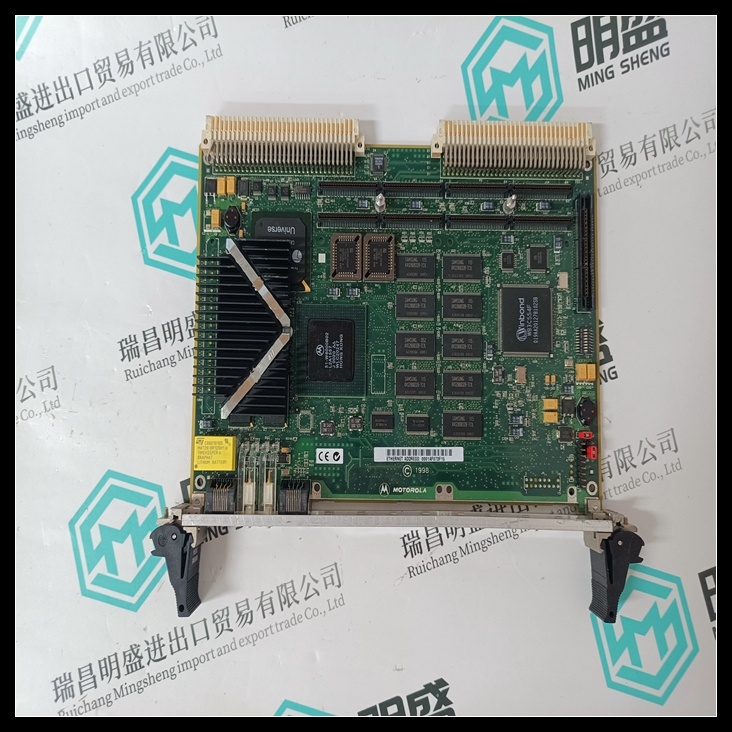
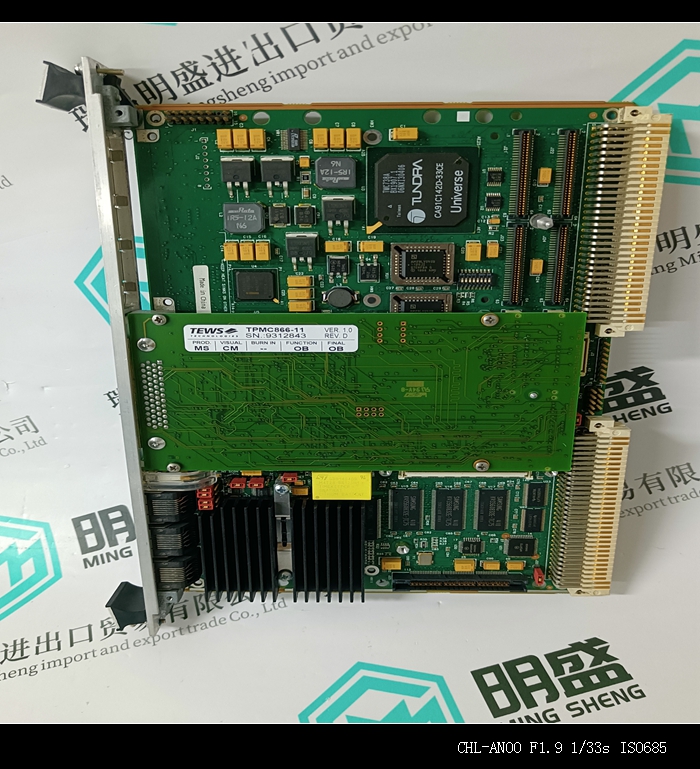
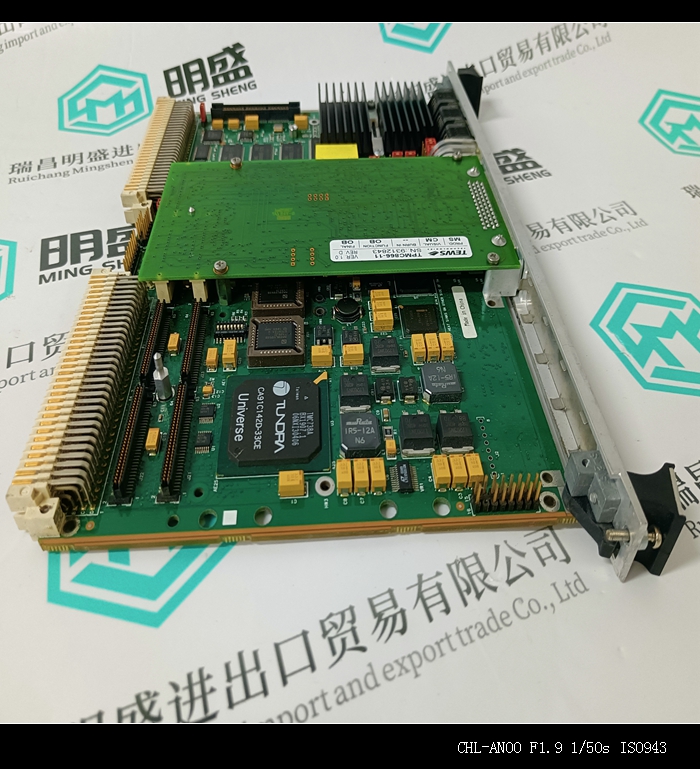
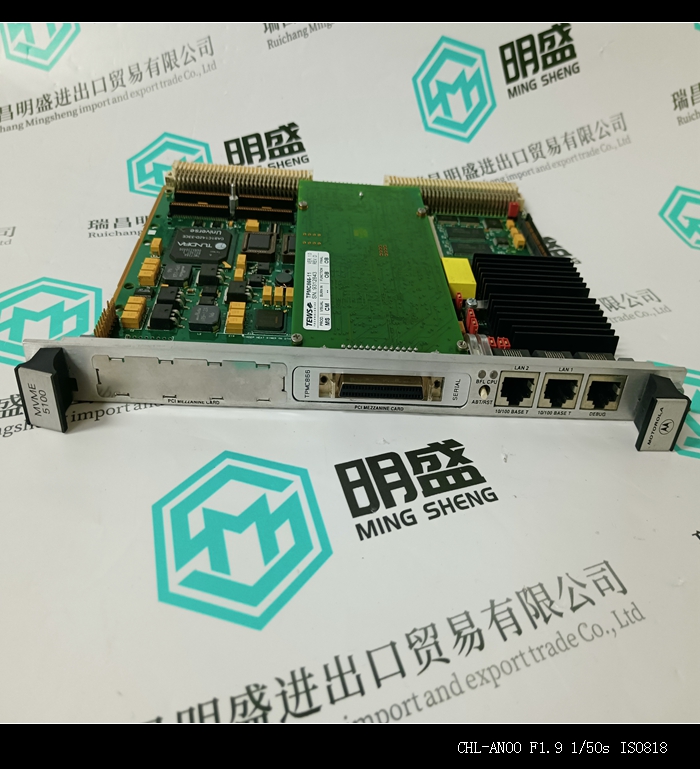
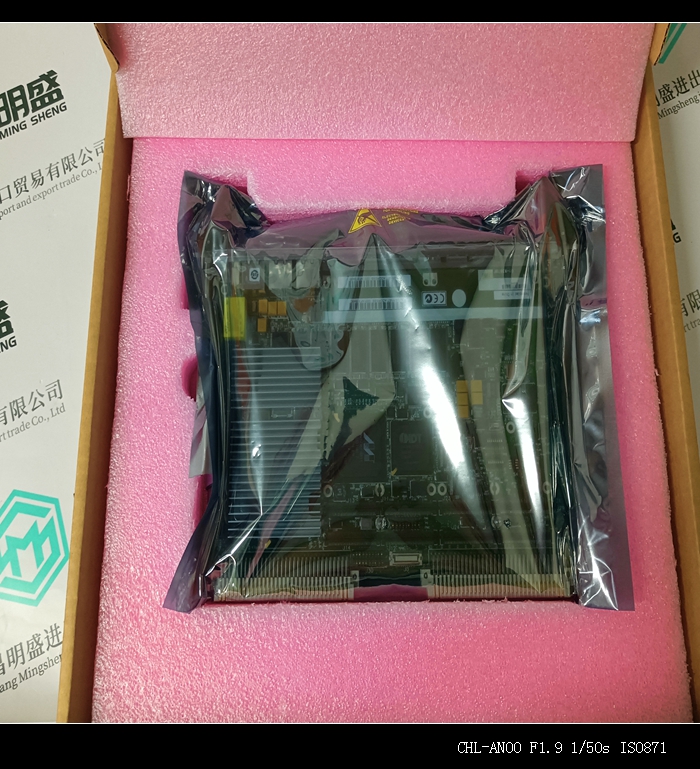
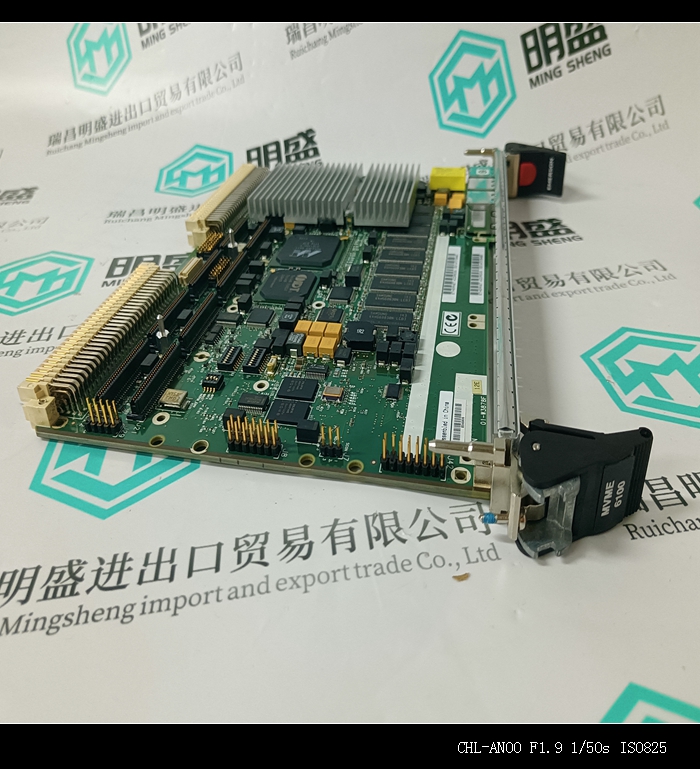
MVME167-003B现货PLC工控卡件

主页 > 产品中心 > MOTOROLA

MVME167-003B现货PLC工控卡件

类目:MOTOROLA
型号:MVME167-003B
全国服务热线:+86 15270269218
手机:+86 15270269218
微信:+86 15270269218
QQ:3136378118
Email:stodcdcs@gmail.com
在线咨询
产品详情
MVME167-003B现货PLC工控卡件
瑞昌明盛进出口贸易有限公司
主营DCS控制系统备件,PLC系统备件及机器人系统备件,
优势品牌:Allen Bradley、BentlyNevada、ABB、Emerson Ovation、Honeywell DCS、Rockwell ICS Triplex、FOXBORO、Schneider PLC、GE Fanuc、Motorola、HIMA、TRICONEX、Prosoft等各种进口工业零部件

MVME167-003B现货PLC工控卡件 MVME167-003B现货PLC工控卡件 MVME167-003B现货PLC工控卡件
MVME167-003B现货PLC工控卡件
真空干燥 目前,真空干燥也进入到塑料加工领域当中,例如美国Maguire公司开发出来的真空干燥设备就已被应用到塑料加工之中。这种连续操作型的机器由安装于旋转传送带上的三个腔体组成。在一腔体处,当胶粒被填满后,通入被加热至干燥温度的气体以加热胶粒。在气体出口处,当物料达到干燥温度时即被移至抽成真空的第二腔体中。由于真空降低了水的沸点,所以水分更容易变成水蒸汽被蒸发出来,因此,水分扩散过程被加速了。由于真空的存在,从而在胶粒内部与周围空气之间产生了更大的压力差。一般情况下,物料在第二腔体中的停留时间为20min?40min,而对于一些吸湿性较强的物料而言,多需要停留60min。后,物料被送到第三腔体,并由此被移出干燥器。 在除湿气体干燥和真空干燥中,加热塑料所消耗的能源是相同的,因为这两种方法是在同样的温度下进行。但是在真空干燥中,气体干燥本身并不需要消耗能源,但需要用能源来创造真空,创造真空所需的能耗与所干燥物料的量以及含水量有关。 红外线干燥 干燥胶粒的另一种方法是红外线干燥工艺。在对流加热中,气体与胶粒之间、胶粒与胶粒之间以及胶粒内部的热导率都很低,因此热量的传导受到极大的限制。而采用红外线干燥时,由于分子受到红外线辐照,所吸收的能量将直接转换成热振动,这意味着物料的加热比在对流干燥中更快。与对流加热相比,在干燥过程中,除了环境空气和胶粒中水分的局部压力差以外,红外线干燥还有一个逆向的温度梯度。通常,干燥气体和受热微粒之间的温度差愈大,干燥过程就愈快。红外线干燥时间通常在5min~15min。目前,红外线干燥过程已经被设计为转管模式,即顺着一只内壁有螺纹的转管,胶粒被输送和循环,在转管的中心段有数个红外线加热器。在红外线干燥中,设备的功率可以参照0.035kWh/kg?0.105kWh/kg的标准进行选择。 如前所述,物料含水量的不同将会导致工艺参数的差別。一般,残余水分含量的不同可能是因为不同物料的流通速率不同,所以干燥过程的中断或机器的启动、停机都会引起停留时间的不同。在气体流量固定的情况下,材料流通量的不同一般表现为温度曲线的变化和排气温度的变化。干燥机制造商们以不同方法进行测量,并将干燥气体流量与被干燥物料的量相匹配,进而调整干燥料斗的温度曲线,从而使胶粒在干燥温度下经历稳定的停留时间。 另外,物料不同的初始水分含量也会导致残余水分含量的不稳定。因为停留时间是固定的,初始水分含量的明显变化必将导致残余水分含量发生同样明显的变化。如果需要稳定的残余水分含量,就需要测量初始或残余的水分含量。由于相关的残余水分含量低,在线测量不易进行,而且物料在干燥系统中的停留时间较长,把残余水分含量当作输出信号会引起系统受控的问题,所以干燥机制造商们开发出来一种新的控制概念,能实现稳定的残余水分含量这一目标。这种控制概念以保持残余水含分量的稳定为目的,将塑料的初始水分量、进入和流出气体的露点、气体流动量和胶粒流通率等工艺参数作为输入变量,从而使干燥系统能够根据这些变量的不同进行及时调整,以保持稳定的残余水分含量。 红外线干燥和真空干燥是塑料加工中的新技术,这些新技术的应用极大地缩短了物料的停留时间并降低了能源消耗。但是,创新的干燥工艺其价格也相对较高。因此,近些年来,人们也在努力地提高传统除湿气体干燥的效率。所以,在做出投资决策时,应当进行的成本评估,不仅要考虑采购成本,还要考虑管路、能源、空间和维修保养等,以使小的投资得到大的回报。signal I20 = 1. According to the state of the change-over switch, the corresponding high-pressure pump works. If the pressure fails to reach the normal value within the set time, or the pump fails, the standby pump will be put into operation immediately. The two pumps are standby working mode for each other. When the pressure reaches the normal value, the mill cylinder will be jacked up, In the "suspended" state, the starting torque is greatly reduced. At this time, a signal allowing the main motor to be closed is sent to the system to start the mill. In case of mill failure or normal shutdown, the static pressure system shall be put into operation immediately to make the mill stop smoothly in the "suspended" state. The hardware configuration and software control flow of mill static pressure control system are the same as those in Figures 1 and 2, and will not be repeated here. Conclusion PLC is used to send the temperature, pressure and other signals of each lubrication system and liquid upper resistor of the mill to the A / D module and di module of PLC respectively, so that the whole system reduces a large number of internal and external connections, saves many conventional components, greatly improves the reliability of the system, and the operation is simple. The fault of any point can be found at any time through the simulation panel. This system has been used in 3 sets of Suzhou Yangzi cement company ф 3.4m × 7.5m + 1.8m drying mill, 4 sets ф 3.5m × 11m cement mill, 2 sets of Suzhou Tianping group ф 3m × 11m cement mill has been put into use, and no problems have occurred in several years of operation, which greatly improves the automation level of the system and the safety of the equipment. Basic requirements for torpedo power charging control:

1. 120 batteries are charged with constant current by DC power supply.

2. During charging, dynamically detect the voltage of each battery.

3. The charged battery can be disconnected and the disconnected battery voltage can be detected automatically.

4. In case of disconnection, looseness and other faults of the main charging circuit, the system can automatically alarm and protect itself.

5. When the system performs any action, it must receive the instructions of the