欢迎您访问:瑞昌明盛自动化设备有限公司,我司将竭诚为您服务!
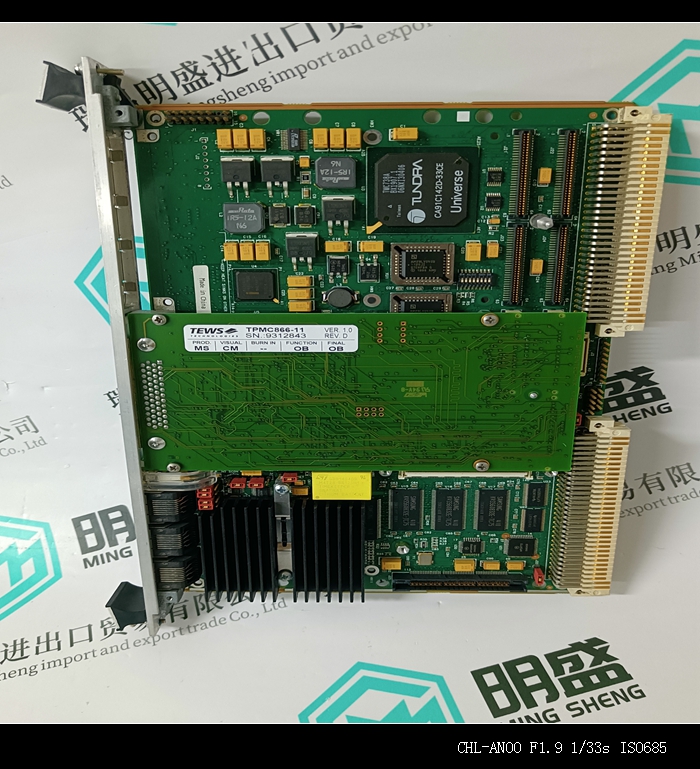
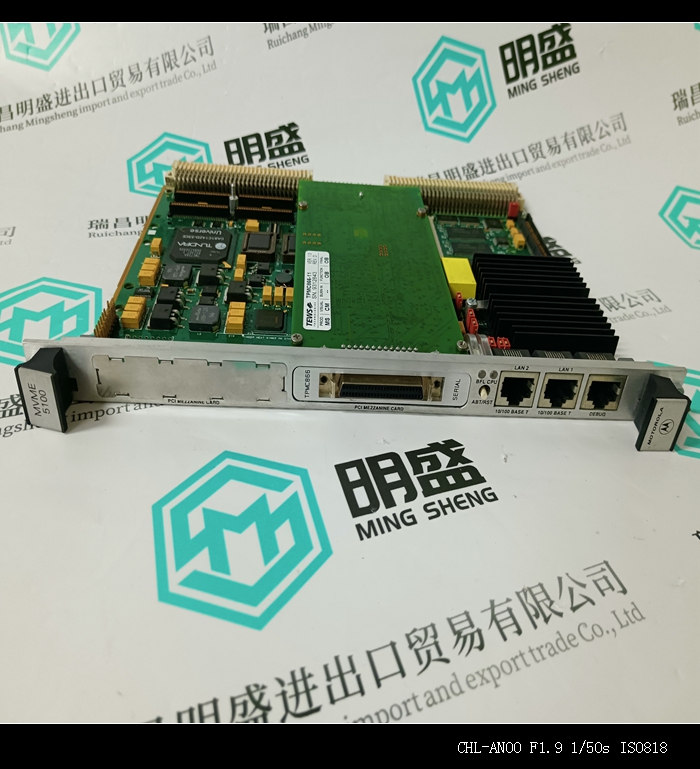
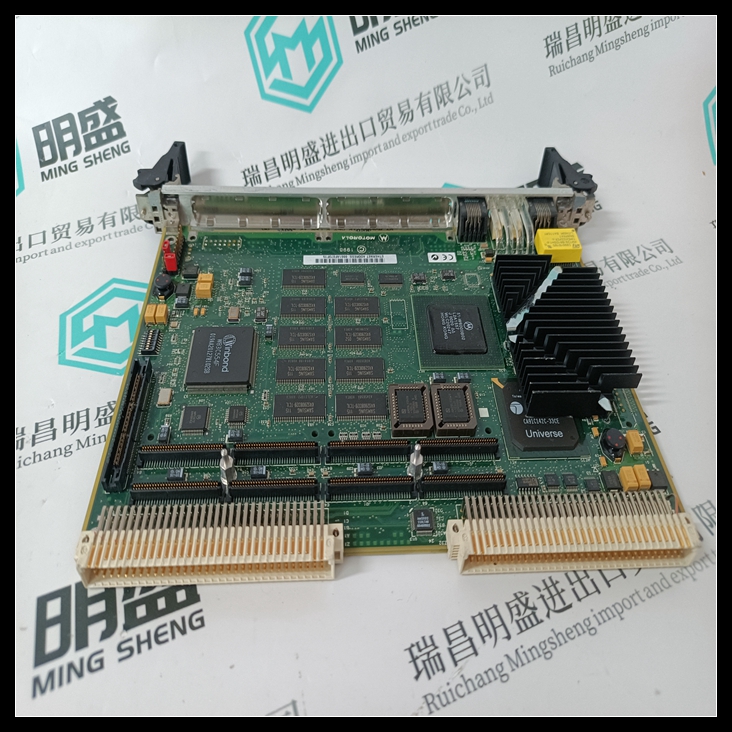
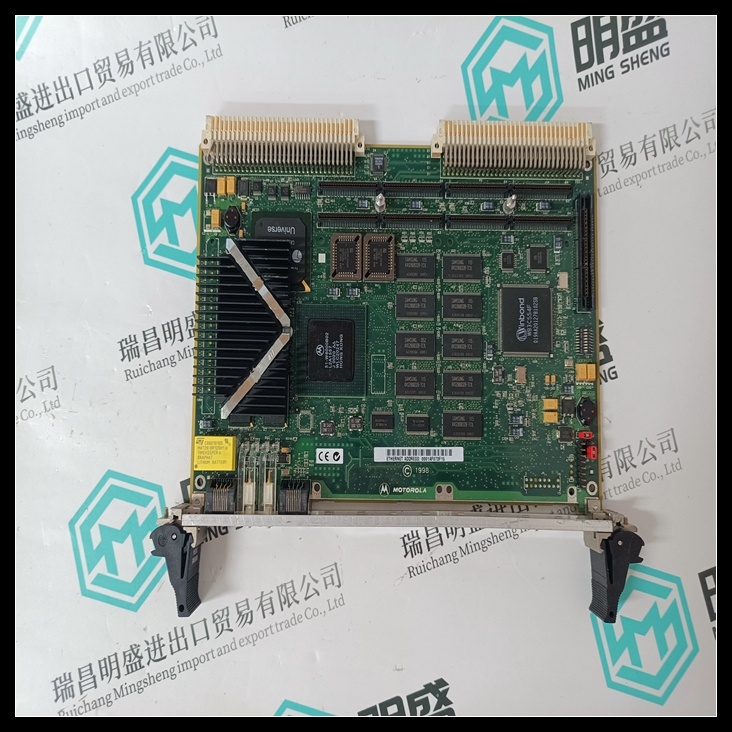
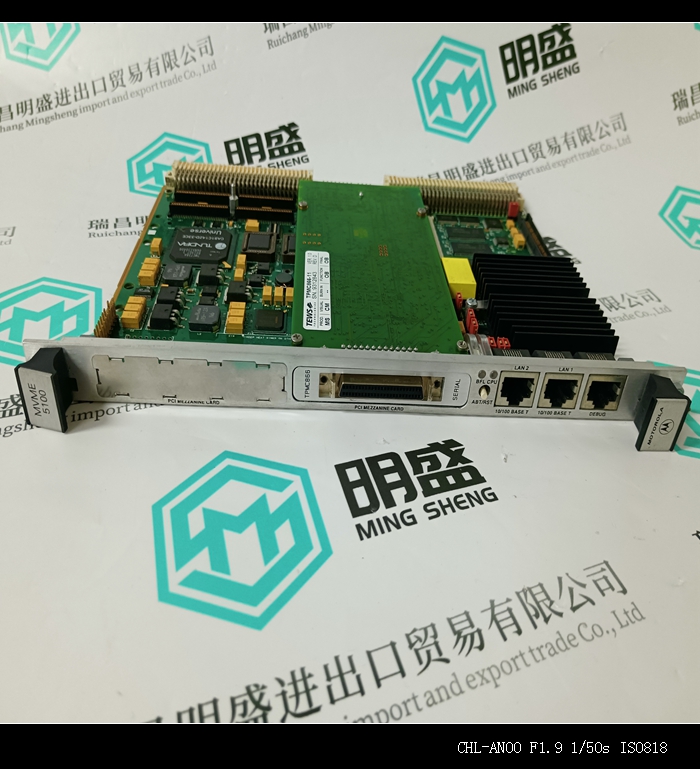
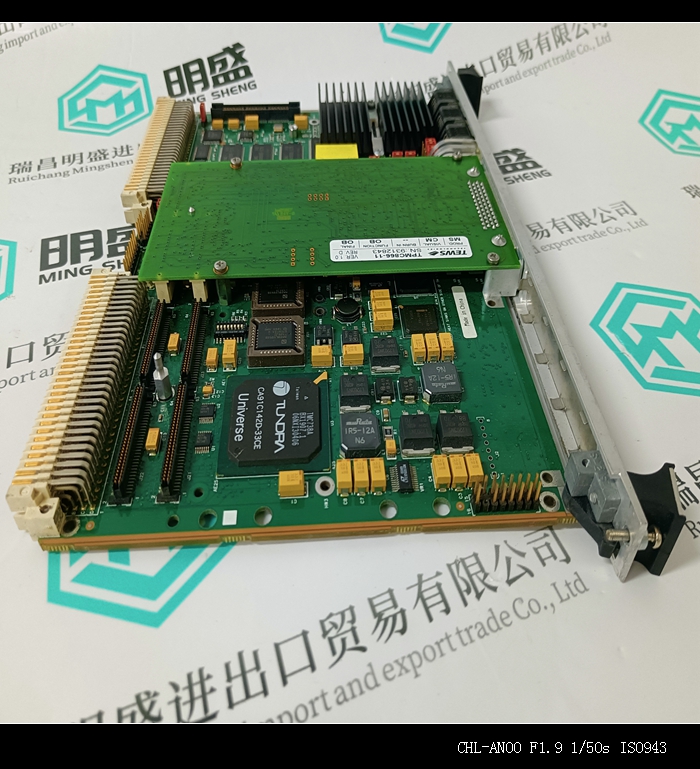
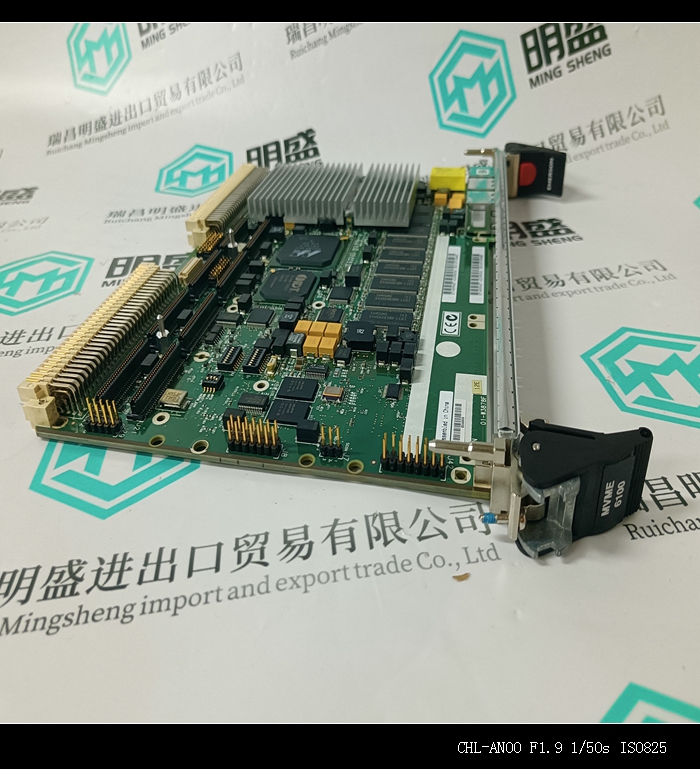
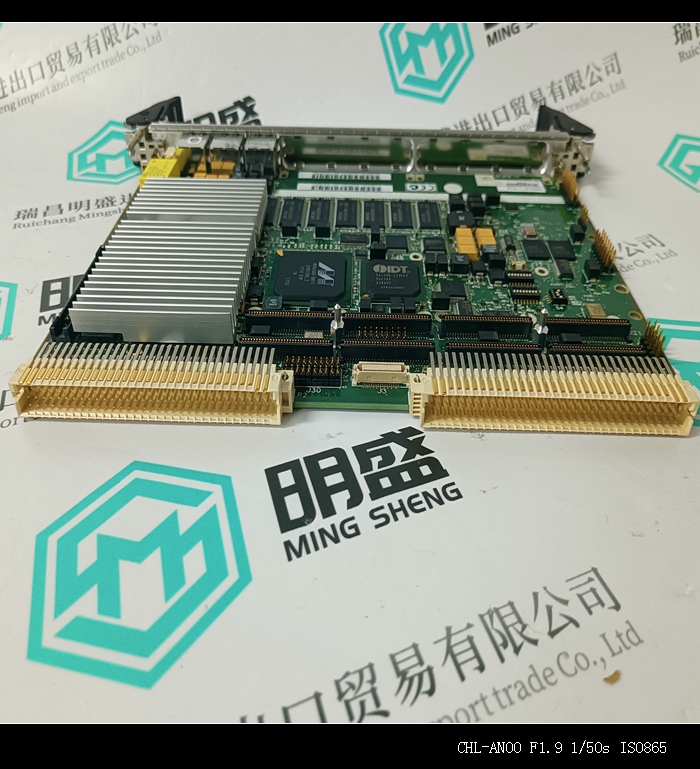
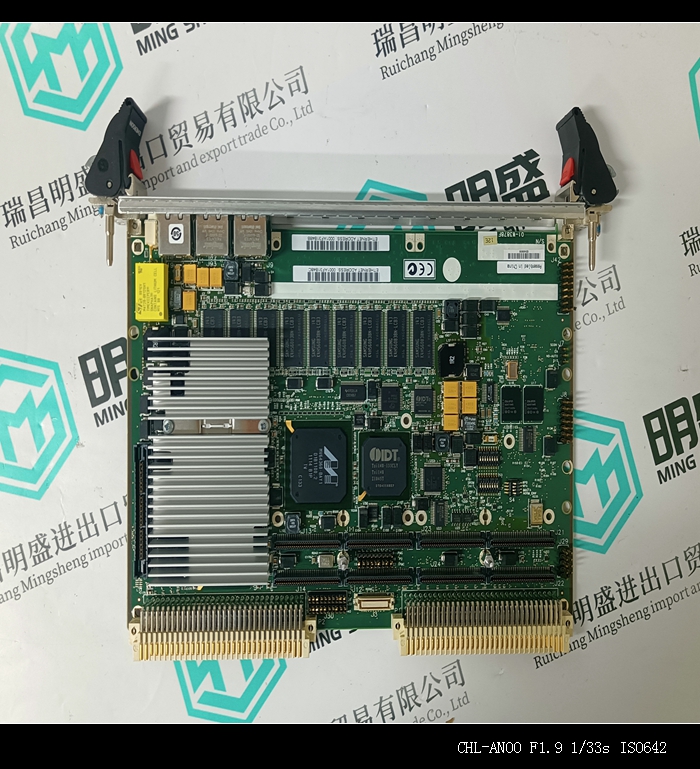
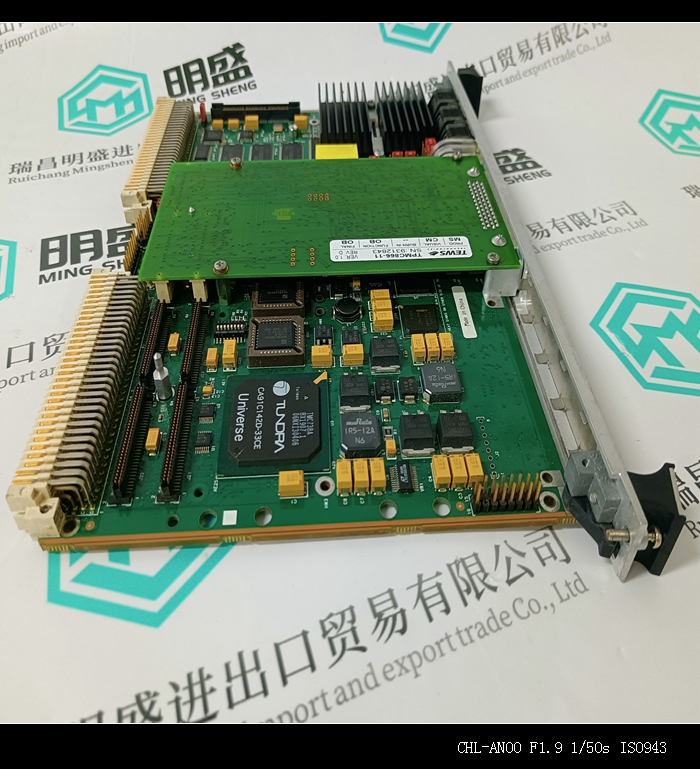
MVME187-033B自动化卡件PLC系统模块现货

主页 > 产品中心 > MOTOROLA

MVME187-033B自动化卡件PLC系统模块现货

类目:MOTOROLA
型号:MVME187-033B
全国服务热线:+86 15270269218
手机:+86 15270269218
微信:+86 15270269218
QQ:3136378118
Email:stodcdcs@gmail.com
在线咨询
产品详情
MVME187-033B自动化卡件PLC系统模块现货
瑞昌明盛进出口贸易有限公司
主营DCS控制系统备件,PLC系统备件及机器人系统备件,
优势品牌:Allen Bradley、BentlyNevada、ABB、Emerson Ovation、Honeywell DCS、Rockwell ICS Triplex、FOXBORO、Schneider PLC、GE Fanuc、Motorola、HIMA、TRICONEX、Prosoft等各种进口工业零部件

MVME187-033B自动化卡件PLC系统模块现货 MVME187-033B自动化卡件PLC系统模块现货 MVME187-033B自动化卡件PLC系统模块现货
MVME187-033B自动化卡件PLC系统模块现货
以下简要介绍各种储能技术的基本原理及其发展现状。 1 抽水储能(Pumped Hydro Storage)[6,7] 抽水蓄能电站在应用时必须配备上、下游两个水库。在负荷低谷时段,抽水储能设备工作在电动机状态,将下游水库的水抽到上游水库保存。在负荷高峰时,抽水储能设备工作于发电机的状态,利用储存在上游水库中的水发电。一些高坝水电站具有储水容量,可以将其用作抽水蓄能电站进行电力调度。利用矿井或者其他洞穴实现地下抽水储能在技术上也是可行的,海洋有时也可以当作下游水库用,1999年日本建成了一座利用海水的抽水蓄能电站(Yanbaru,30MW)。 抽水储能早于19世纪90年代在意大利和瑞士得到应用,1933年出现了可逆机组(包括泵水轮机和电动与发电机),现在出现了转速可调机组以提高能量的效率。抽水蓄能电站可以按照任意容量建造,储存能量的释放时间可以从几小时到几天,其效率在70%至85%之间。 抽水储能是在电力系统中得到为广泛应用的一种储能技术,其主要应用领域包括能量管理、频率控制以及提供系统的备用容量。目前,全世界共有超过90GW的抽水储能机组投入运行,约占全球总装机容量的3%。限制抽水蓄能电站更广泛应用的一个重要制约因素是建设工期长,工程投资较大。 2 采用不同化学物质的先进蓄电池储能(Battery Storage)[6,8,9] 据估计,全球每年对蓄电池的市场需求大约为150亿美元,在工业用蓄电池方面,如:用于UPS、电能质量调节、备用电池等,其市场总量可达50亿美元。在美国、欧洲以及亚洲,正在组建生产电力系统储能用的高性能蓄电池企业。在过去的12至18个月里,已有生产能力达每年300MW的蓄电池生产线投入运行。 铅酸电池是古老、也是成熟的蓄电池技术。它是一种低成本的通用储能技术,可用于电能质量调节和UPS等。然而,由于这种蓄电池寿命较短,因此限制了其在能量管理领域中的应用。ZnBr电池在20世纪70年代早期由Exxon开发成功,经过多年的研究和发展,已经建成了很多容量为数千瓦时的ZnBr电池储能系统并经过试验,其净效率为75%。20世纪80年代初期澳大利亚新南威尔士大学率先研制随着城市建设的不断发展,高层建筑不断增多,电梯作为高层建筑中垂直运行的交通工具已与人们的日常生活密不可分。目前电梯的控制普遍采用了两种方式,一是采用微机作为信号控制单元,完成电梯信号的采集、运行状态和功能的设定,实现电梯的自动调度和集选运行功能,拖动控制则由变频器来完成;第二种控制方式用可编程控制器(
PLC
)取代微机实现信号集选控制。从控制方式和性能上来说,这两种方法并没有太大的区别。国内厂家大多选择第二种方式,其原因在于生产规模较小,自己设计和制造微机控制装置成本较高;而PLC可靠性高,程序设计方便灵活。本设计在用PLC控制变频调速实现电流、速度双闭环的基础上,在不增加硬件设备的条件下,实现电流、速度、位移三环控制。 2 硬件电路

系统硬件结构图如图1 所示,其各部分功能说明如下。 Q1——三相电源断路图 K1——电源控制接触器 K2——负载
电机
通断控制接触器 VS——变频器 BU——制动单元 RB——能耗制动电阻 M——主拖动曳引电机 2.1 主电路 主电路由三相交流输入、变频驱动、曳引机和制动单元几部分组成。electric energy to the greatest extent. At the same time, the economizer also plays an intelligent control function. It can automatically turn on the lights after dark, and switch the street lights in groups according to different strategies. Because the longitude and latitude of each place are different, the dark time in winter and summer is also different. Therefore, different switching strategies should be set according to different regions. For example, in Heilongjiang, the lights are turned on at about 7 p.m. in summer and at 4 p.m. in winter. In order to meet different strategies in different regions and different periods of time, it is generally necessary to divide the whole year into more than 24 periods, and different strategies for turning on and off lights are used in different periods of time. Generally, the energy-saving of street lamps hope to monitor the field data from a distance. At the same time, the display of various parameters is also required locally to facilitate the debugging of users. At present, most of the methods used are RTU or GPRS DTU, of which the latter is relatively lower in cost and better in availability. 2.2. The realization mode of energy saving in the whole plant is similar to the principle of lighting energy saving, but the compensation and monitoring of power factor are added; At the same time, the energy consumption ratio of the whole plant before and after energy saving also needs to be recorded and compared. For example, before energy saving, the power consumption of the whole plant is 130000 kwh / month, after energy saving, the power consumption of the whole plant is 100000 kwh / month, and the power factor is higher than before. These need to be recorded and analyzed, and the data should be recognized by users. 2.3. Frequency conversion energy saving, in principle, achieves the effect of energy saving