欢迎您访问:瑞昌明盛自动化设备有限公司,我司将竭诚为您服务!
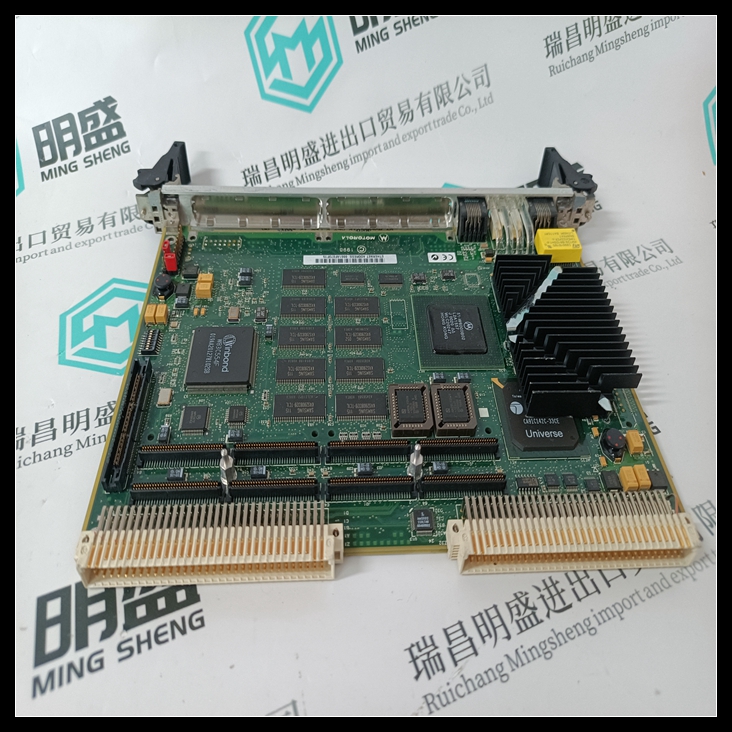
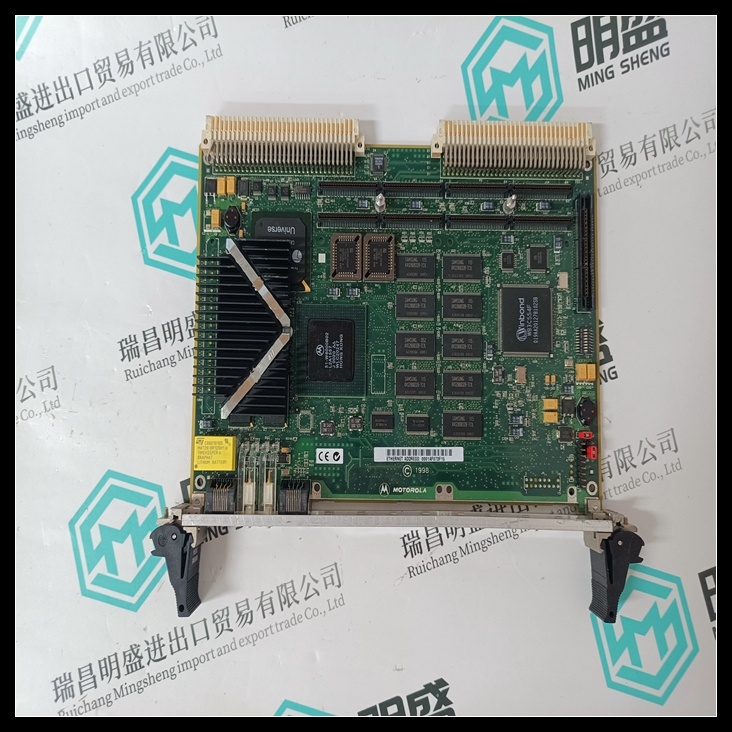
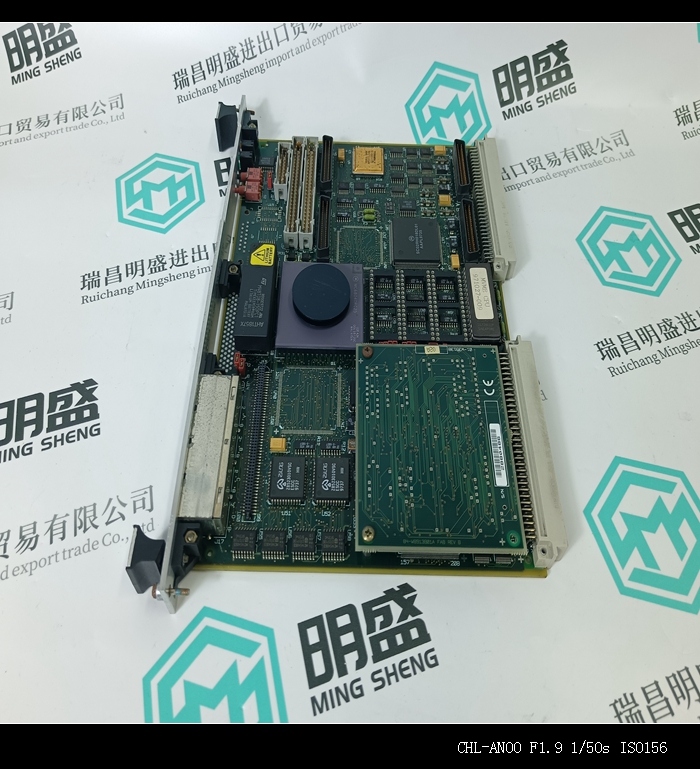
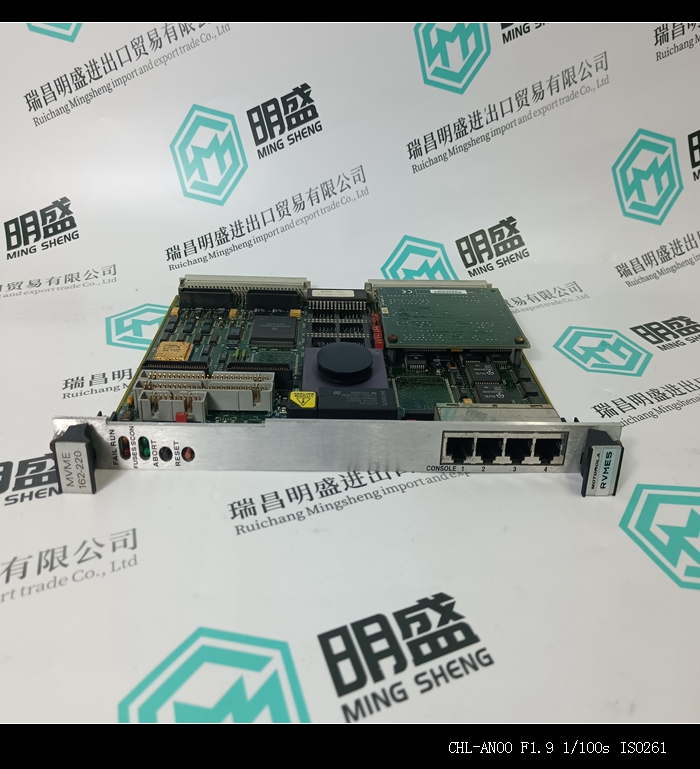
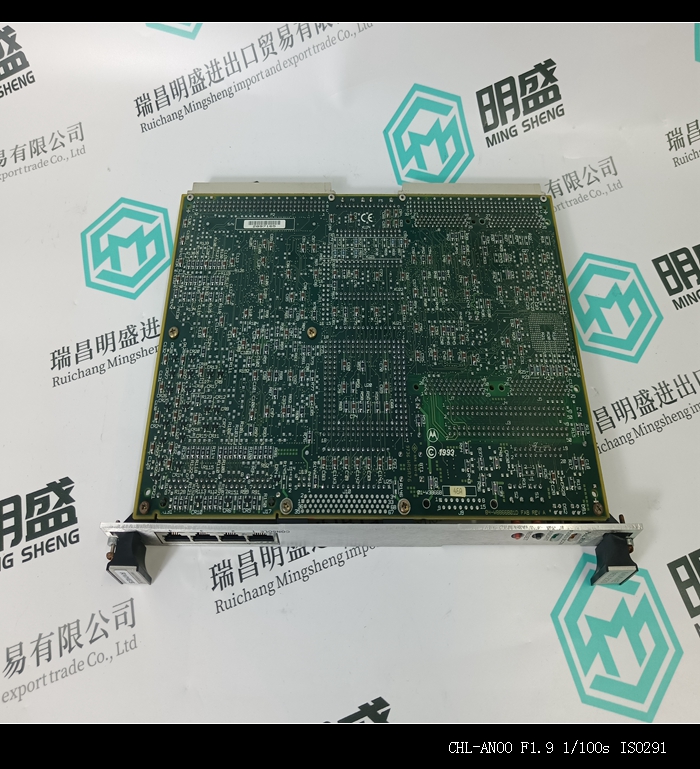
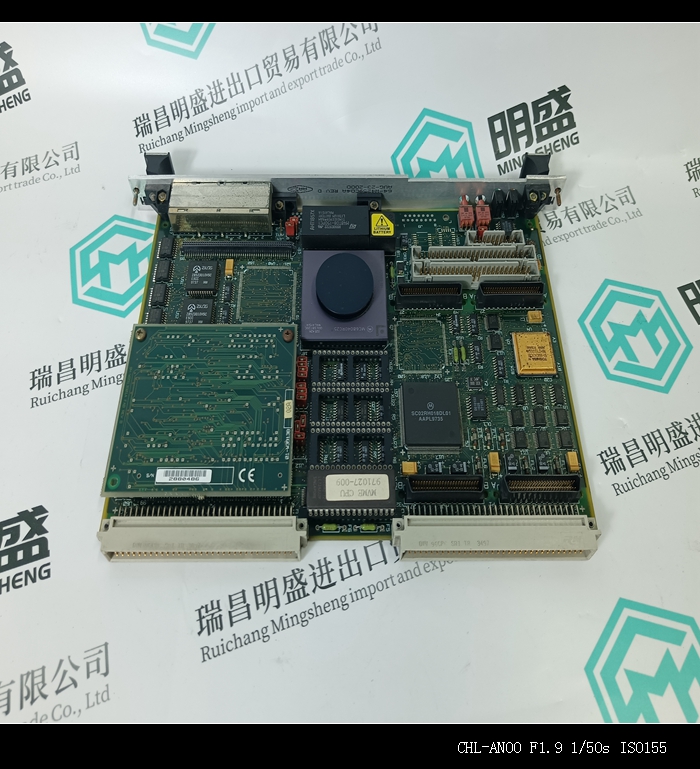
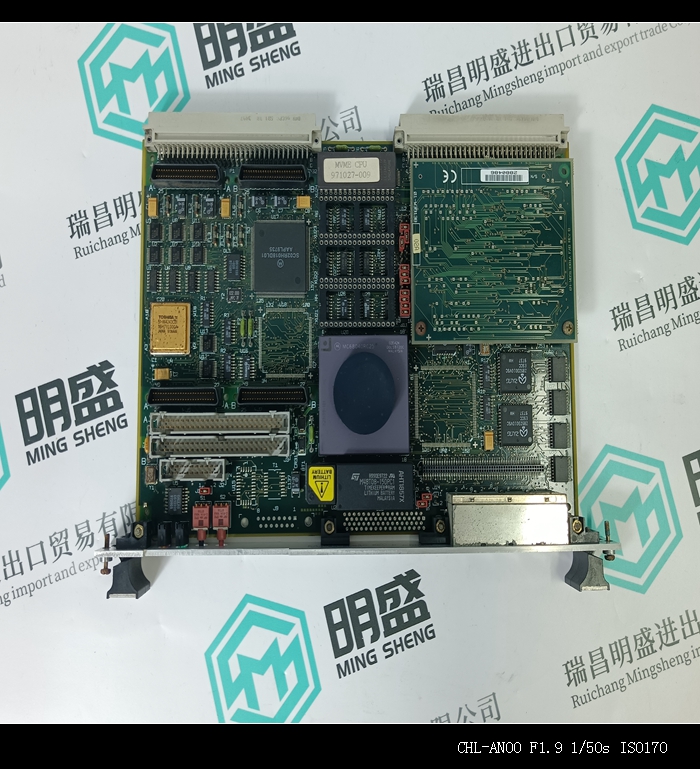
MVME162-030工控备品PLC卡件现货

主页 > 产品中心 > MOTOROLA

MVME162-030工控备品PLC卡件现货

类目:MOTOROLA
型号:MVME162-030
全国服务热线:+86 15270269218
手机:+86 15270269218
微信:+86 15270269218
QQ:3136378118
Email:stodcdcs@gmail.com

在线咨询
产品详情
瑞昌明盛进出口贸易有限公司
主营DCS控制系统备件,PLC系统备件及机器人系统备件,
优势品牌:Allen Bradley、BentlyNevada、ABB、Emerson Ovation、Honeywell DCS、Rockwell ICS Triplex、FOXBORO、Schneider PLC、GE Fanuc、Motorola、HIMA、TRICONEX、Prosoft等各种进口工业零部件
MVME162-030工控备品PLC卡件现货

MVME162-030工控备品PLC卡件现货 MVME162-030工控备品PLC卡件现货 MVME162-030工控备品PLC卡件现货
MVME162-030工控备品PLC卡件现货
工艺系统自动化原理设计
4.1对于锥度的一些计算(参见图9锥度控制原理图)
锥度用于在张力补偿,当收卷直径加大到一定时候,每增加100米张力增加1%,满足张力控制,辊径一直在增加,其数学模型可以根据原始辊径与纤维厚度计算,根据公式辊径=D0+增加辊径
增加辊径=(收卷长度/PI)层数
其中:D0---原始辊径
PI=3.14
收卷长度=编码器反馈值
张力=扭矩/辊子半径
举例说明:
如收卷长度2400米,锥度起始长度1000米,锥度设定50,额定扭矩=14.2N.M 扭矩设定值=50%
则:锥度控制长度 2400-1000=1400米
增加扭矩 1400/50=28
28*1%=28%
实际扭矩=14.2*78%=11.076
实际张力需要乘以减速比13 则实际为(11.076/0.38)*13=37.8KG

4.2后牵引系统控制原理(参见图10控制原理图)
后牵引在浮动辊未动作,定速运转
若浮动辊启动,变速运行,速度利用PID调节,达到速度控制。

4.3电子纠偏装置原理设计(参见图11控制原理)
根据两边位置控制同步电机做位置跟随,保证收卷位置。

4.4 纤维长度测量
编码器输出A/B相信号,利用PLC的C251硬件高速脉冲输入测定步长,占用HHSCO,1PULSE对应1MM,硬件高速口的RESET和START用内部M1264,M1264 ,M1273/M1274控制.
D1225=1 为1倍频模式
4.5 班产计算
根据设定的当前班次,计算班产,如更换卷则需要重新计算班产,同时记录时间和日期.
甲乙丙班产合计为总产.
根据时间,日期和年月可以查询产量,需要占用5个文件寄存器,可以读出和写入.
此时候,程序采用变址寄存器E/F来寻址.非常便捷.
EH PLC文件寄存器共10000个.
4.6 其它设计
扭矩:用通讯方式写入地址010CH,伺服扭矩参数1.读取伺服的输出状态0409H,利用台达PLC 的SON指令判断ON 位,确定输出状态.
张力计算前面已经介绍,主要是增加的卷径计算,终资料为一离散数列.
扭矩需要做一定的补偿,引入锥度算法,可以逼近实际扭矩. The measurement method is as follows: measure the theoretical counting distance of the rolled piece head from the HMD before the flying shear to the HMD after the flying shear (if the cutting function is put into operation, it is from the intersection of the cutting edge to the HMD after the flying shear), and compare it with the actual distance to obtain a speed correction coefficient. The measurement is carried out at the head of each rolled piece, and the coefficient is adaptively corrected:

(N*K+Ki)/(N+1)--->K

Where n is the number of measurements (with maximum limit), and Ki is the measured value. This function can be selected and put into use on the upper computer according to needs.

It is worth mentioning that its status and fault diagnosis function can observe the change timing of important status signals related to shearing in the program through the programming interface of CPU and with the special diagnosis software externally installed on programmer or PC, and can prepare a list of monitoring status (which can be the status of input and output signals, flag bits or timers) as needed and send it to CPU, At the end of each cycle, the program detects whether the state of these signals has changed. If there is any change, the changed state and the time counter value of this cycle are successively stored in the buffer state data block, sent by the CPU to the PC, displayed on the screen and stored in the preset file. This function is very helpful for troubleshooting, especially for occasional faults. It can continuously monitor. After the fault occurs, by opening the text file storing the state change, it can check whether the state of each detection signal in the time period is abnormal according to the time of the fault, so as to determine the cause of the fault.

5 program structure

Start block: create a data block and copy the data to the working db-ram; Initial setting of counting card and start counter: initialization of sinech1 network; Recalculate the relevant cutting parameters and copy them to the working db-ram.

Main cycle procedure: check whether the power supply and related signals are normal; The HMD signal and encoder pulse counter are collected and processed to measure the position of the cutting edge. Measure the rolling speed and correct the rolling speed signal sent by the rolling line speed control system. Generate cutting command and accident