欢迎您访问:瑞昌明盛自动化设备有限公司,我司将竭诚为您服务!
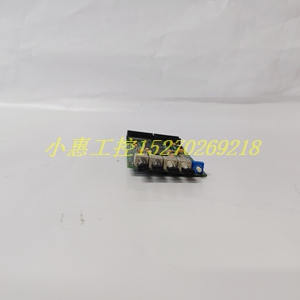
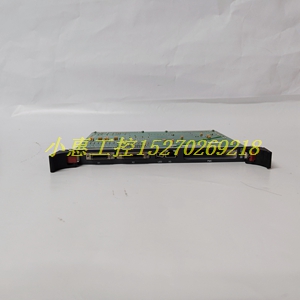
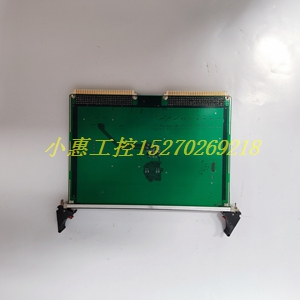
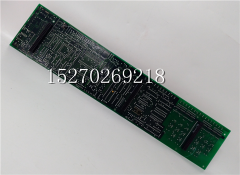
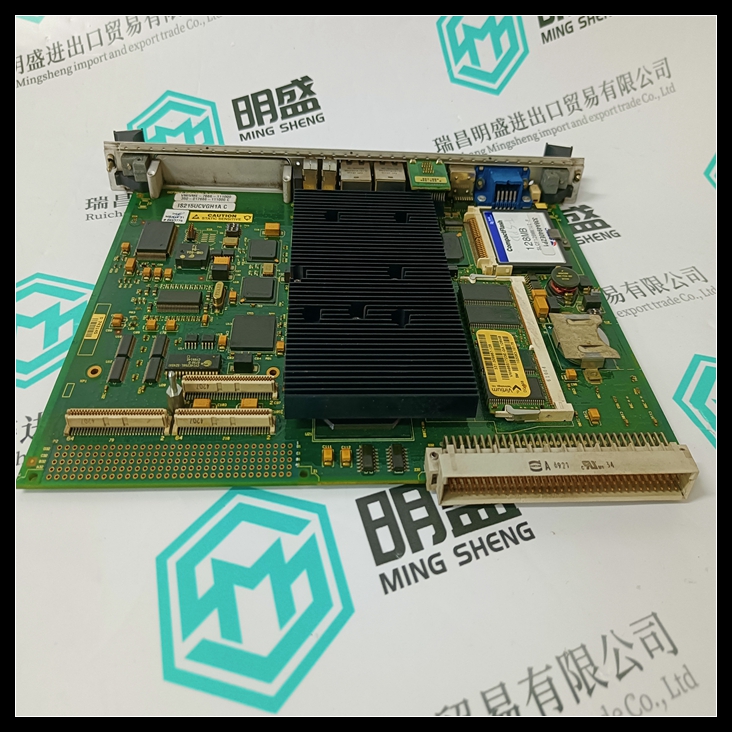
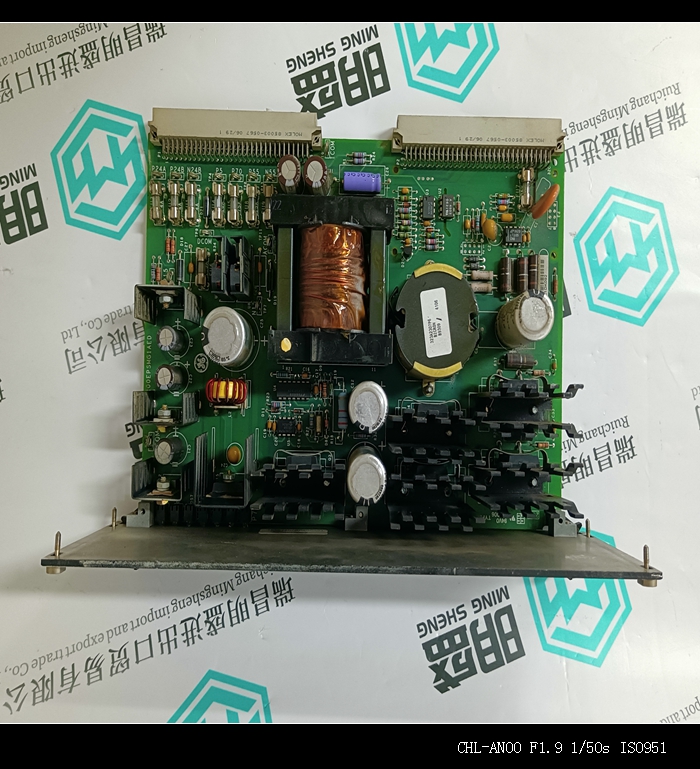
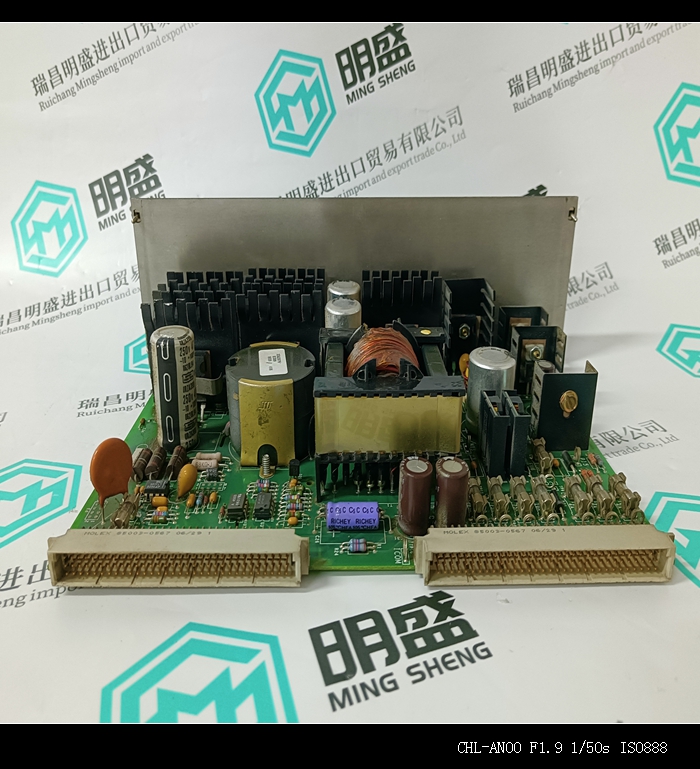
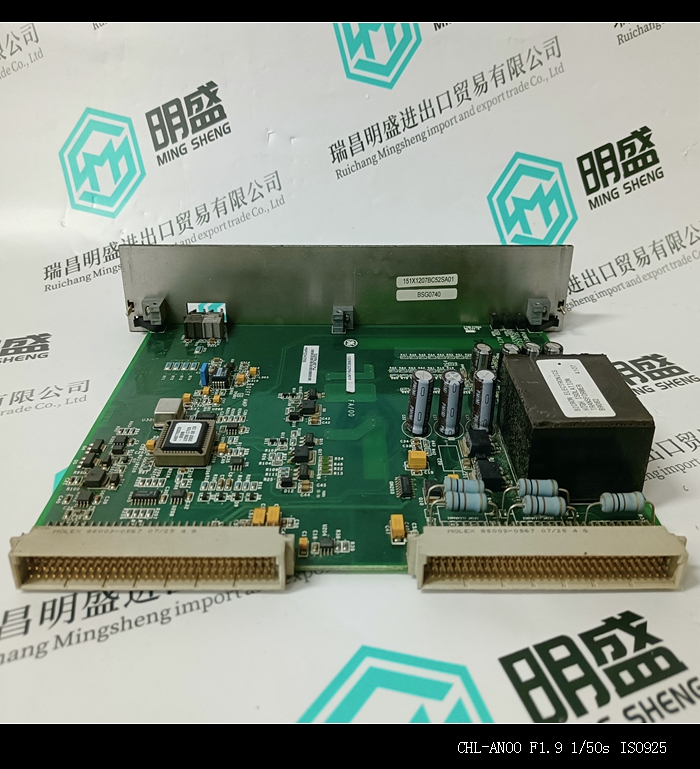
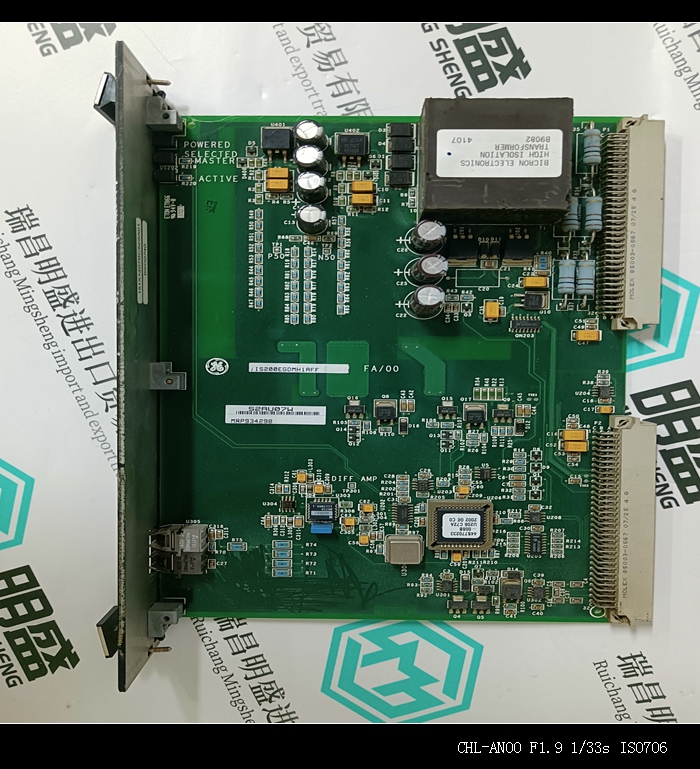
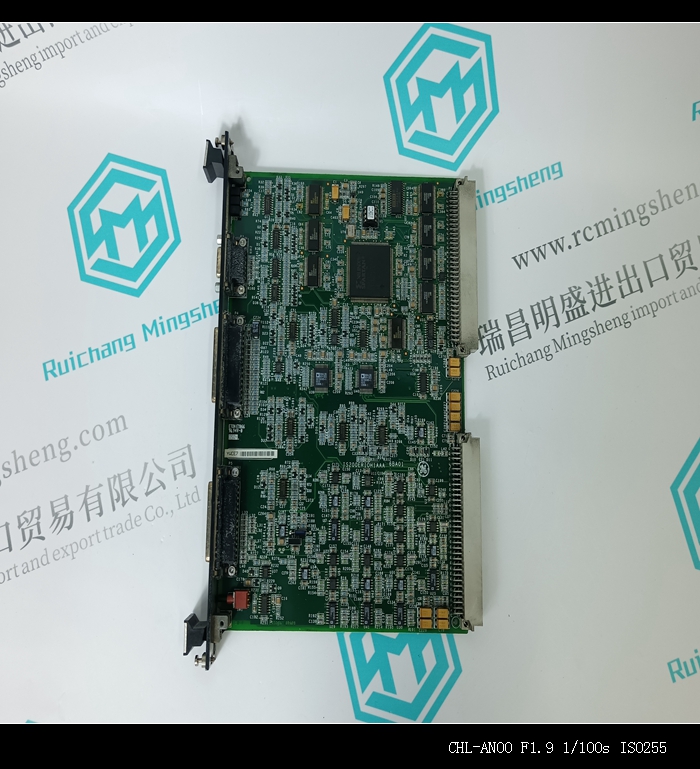
IS200EDCFG1AED工控备件燃机卡件现货

主页 > 产品中心 > GE

IS200EDCFG1AED工控备件燃机卡件现货

类目:GE
型号:IS200EDCFG1AED
全国服务热线:+86 15270269218
手机:+86 15270269218
微信:+86 15270269218
QQ:3136378118
Email:stodcdcs@gmail.com

在线咨询
产品详情
瑞昌明盛进出口贸易有限公司
主营DCS控制系统备件,PLC系统备件及机器人系统备件,
优势品牌:Allen Bradley、BentlyNevada、ABB、Emerson Ovation、Honeywell DCS、Rockwell ICS Triplex、FOXBORO、Schneider PLC、GE Fanuc、Motorola、HIMA、TRICONEX、Prosoft等各种进口工业零部件
IS200EDCFG1AED工控备件燃机卡件现货

IS200EDCFG1AED工控备件燃机卡件现货 IS200EDCFG1AED工控备件燃机卡件现货 IS200EDCFG1AED工控备件燃机卡件现货
IS200EDCFG1AED工控备件燃机卡件现货
布线隔离 将微弱信号电路与易产生噪声污染的电路分开布线,基本的要求是信号线路必须和强电控制线路、电源线路分开走线,而且相互间要保持一定的距离。配线时应区别分开交流线、直流稳压电源线、数字信号线、模拟信号线、感性负载驱动线等。配线间隔越大,配线越短,则噪声影响越小。但是,实际设备的内外空间是有限的,配线间隔不可能太大,只要能维持低限度的间隔距离便可。附表列出了信号线和动力线之间应保持的小间距。如果受环

境条件的限制,信号线不能与高压线和动力线等离得足够远时,就得采用诸如信号线路接电容器等各种抑制电磁感应噪声的措施。 供电系统的隔离 采用1∶1隔离变压器供电是传统的抗干扰措施,对电网尖峰脉冲干扰有很好的效果。图4是典型的隔离变压器原理图。它抗干扰的原理是一次侧对高频干扰呈现很高的阻抗,而位于一次、二次绕组之间的金属屏蔽层又阻隔了一、二次侧所产生的分布电容,因此一次绕组只有对屏蔽层的分布电容存在,高频干扰通过这个分布电容而被旁路入地。1∶1隔变效果的好坏,往往取决于屏蔽层的工艺。好选用0.2mm厚的纯铜板材,一次侧、二次侧各加一个屏蔽层。通常,一次侧的屏蔽层通过一个电容器与二次侧的屏蔽层接到一起,再接到二次侧的地上。也可以一次侧的屏蔽层接一次侧的地线,二次侧的屏蔽层接二次侧的地线。并且接地引线的截面积也要大一些好。1∶1隔变还有效地隔离了接地环路的共模干扰。

1.交流供电系统的隔离 由于交流电网中存在着大量的谐波、雷击浪涌、高频干扰等噪声,所以对由
交流电源
供电的控制装置和电子电气设备,都应采取抑制来自交流电源干扰的措施。采用电源隔离变压器,可以有效地抑制窜入交流电源中的噪声干扰。但是,普通变压器却不能完全起到抗干扰的作用,这是因为,虽然一次绕组和二次绕组之间是绝缘的,能够阻止一次侧的噪声电压、电流直接传输到二次侧,有隔离作用。然而,由于分布电容(绕组与铁心之间、绕组之间、层匝之间和引线之间)的存在,交流电网中的噪声会通过分布电容耦合到二次侧。为了抑制噪声,必须在绕组间加屏蔽层,这样就能有效地抑制噪声,消除干扰,提高设备的电磁兼容性。图5a、5b所示为不加屏蔽层和加屏蔽层的隔离变压器分布电容的情况。在图5a中,隔离变压器不加屏蔽层,C12是一次侧和二次侧之间的分布电容,在共模电压U1C的作用下,二次绕组所耦合的共模噪声电压为U2C,C2E是二次侧的对地电容,则从图可知二次侧的共模噪声电压U2C为 U2C=U1CC12/(C12+C2E) 在图5b中,隔离变压器加屏蔽层,其中C10、C20分别代表一次侧和二次侧对屏蔽层的分布电容,ZE是屏蔽层的对地阻抗,C2E是二次侧的对地电容,则从图可知二次侧的共模噪声电压U2C为 U2C=〔U1CZE/(ZE+1/jωC10)〕〔C2E/(C20+C2E)〕

由于C2是屏蔽层的对地阻抗,在低频范围内,ZE<<(1/jωC10),所以U2C→0。由此可见,采取屏蔽措施后,通过隔离变压器的共模噪声电压被大大地削弱了。 图6所示为交流电源抗干扰的综合方案。为了将测控系统和供电电网电源隔离开,消除因公共电阻引起的耦合,减少负载波动的影响,同时也为了安全,常常在电源变压器和低通滤波器之前增加一个1∶1的隔离变压器。distributed from the corresponding nozzle. Rotary conveyor. After filling, the bottle is transported to the drip applicator. After sorting in the vibrating hopper box, the drip nozzle is sent to the box grid of the applicator, and the applicator rotates vertically above the bottle conveyor. The drip nozzle is adsorbed in the runner by vacuum. The device keeps synchronization with the bottle on the conveyor and pushes the drip nozzle into the bottle like a cork when the bottle passes below. If the bottle is lost, no drip nozzle will be placed in the box of the sorter relative to the bottle. As the last preventive measure, the sensor at the outlet of the equipment will detect the bottle. If there is no drip nozzle, or the attachment position is too high due to improper pushing action, corresponding adjustment measures will be taken. The last operation in this unit is to seal the bottle by a 15 head rotary capping machine. The bottles pass through a variable speed screw device to maintain a spacing of 3 inches. The reason for the increased spacing is that the head size of the rotary capping machine has become larger. After the cap is sorted in the vibrating feeder, it goes down a gauge and is sent to the position that can be picked up by the clamping disc of the capping machine. Then, the bottle enters the rotating equipment, and the spinning die of the capping machine descends to tighten the cap. Like the previous equipment operation, when the bottle detector finds that there is no bottle in this operation, the corresponding cap distribution operation will be blocked. When the visual system on the capping machine detects that the bottle has no cover or the cap is in an improper position, it will refuse to pass. The bottle leaves the clean room via the feed screw and falls into the bulk bucket box of the next unit. The visual inspection system checks the label. The operating parameters of the filling machine, drip applicator, capping machine, bottle feeder and other auxiliary equipment in the unit are monitored by the filling machine control device, which also sets the volume of liquid medicine distributed to the bottle. Each pump can also be individually adjusted to maximize filling accuracy, although this is no longer necessary after initial setting. "The system has always been very accurate, so we don't have to go back and adjust these pumps." Epley said.