欢迎您访问:瑞昌明盛自动化设备有限公司,我司将竭诚为您服务!
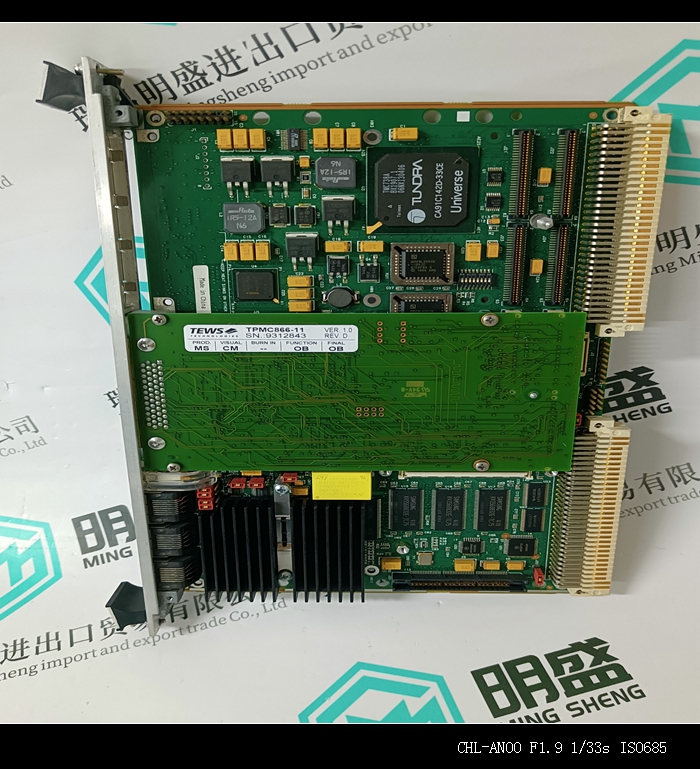
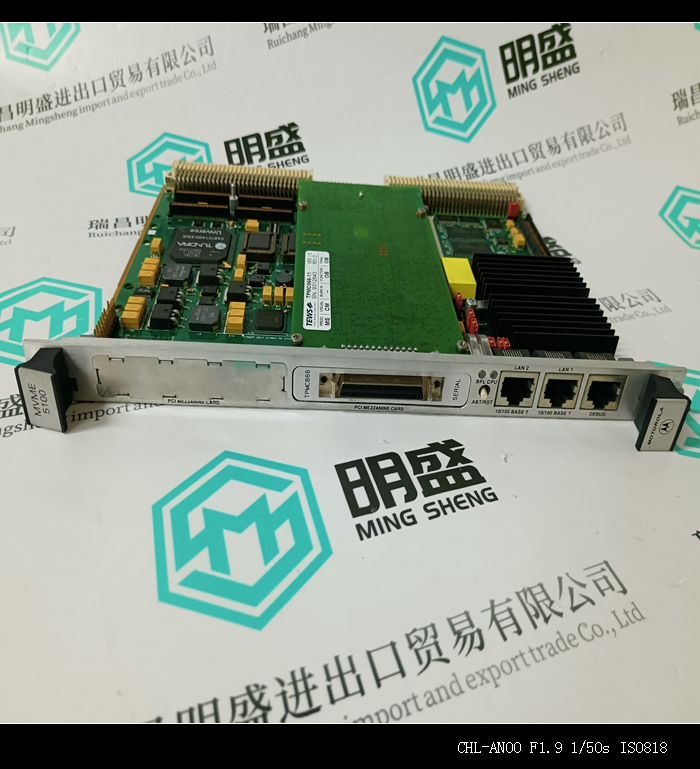
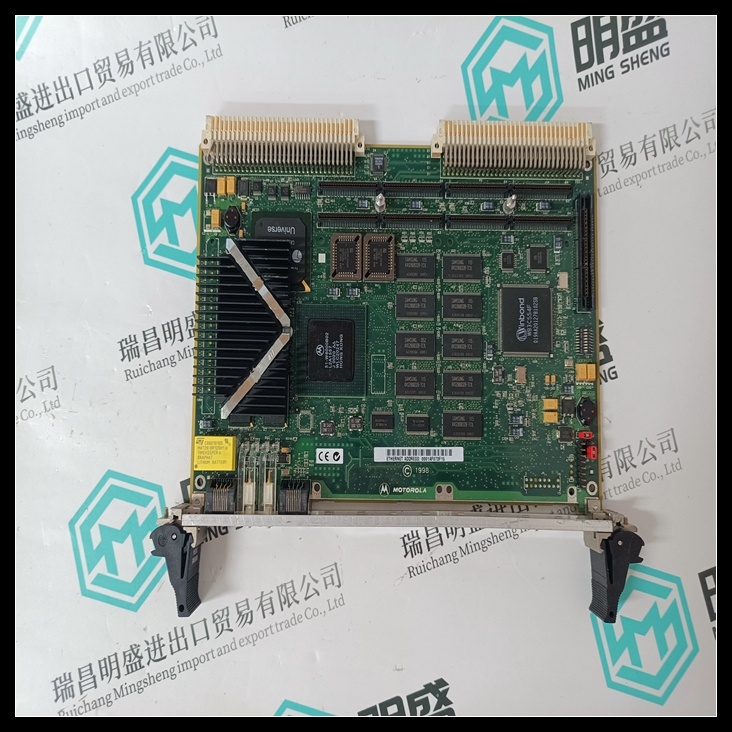
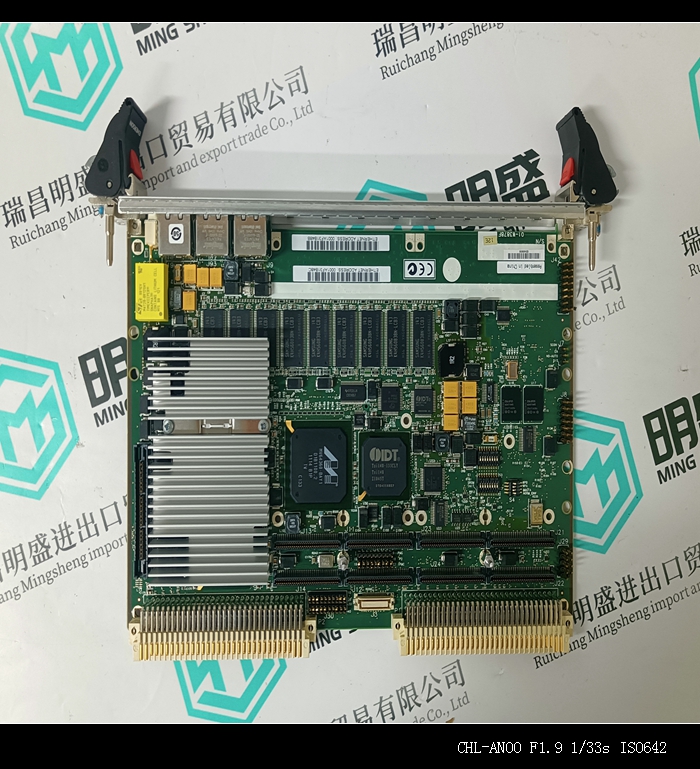
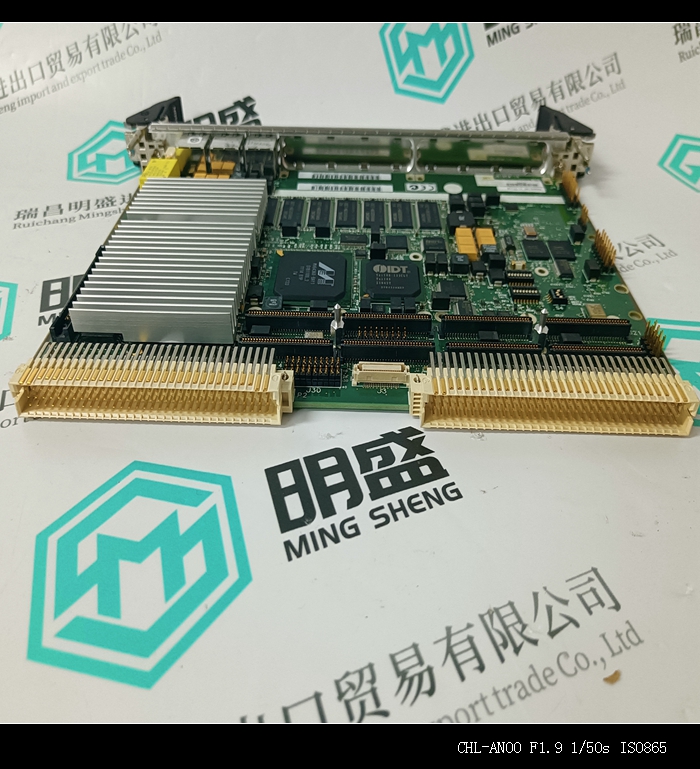
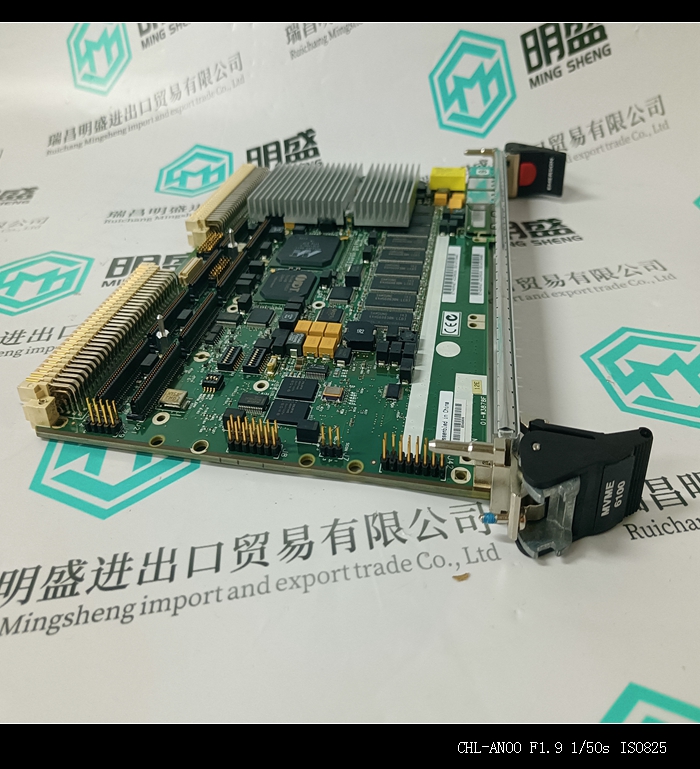
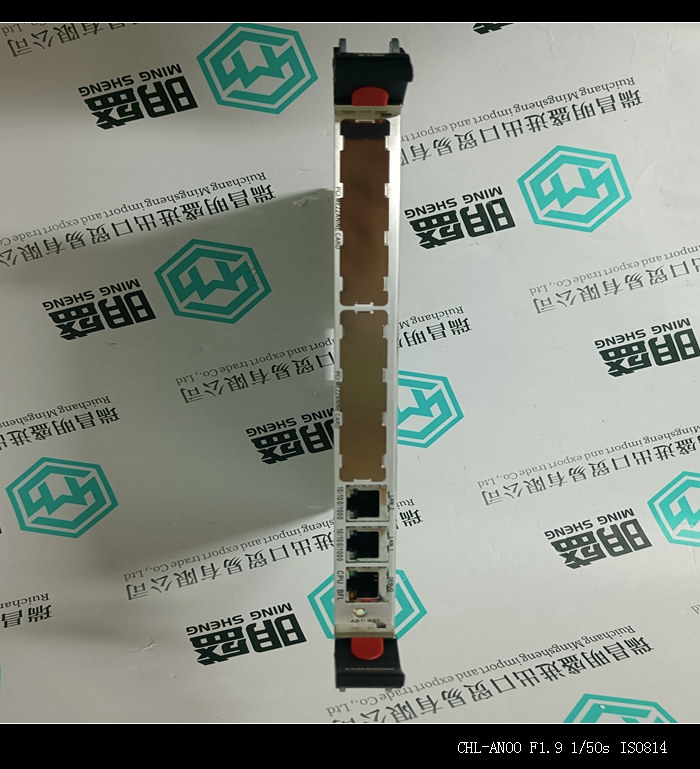
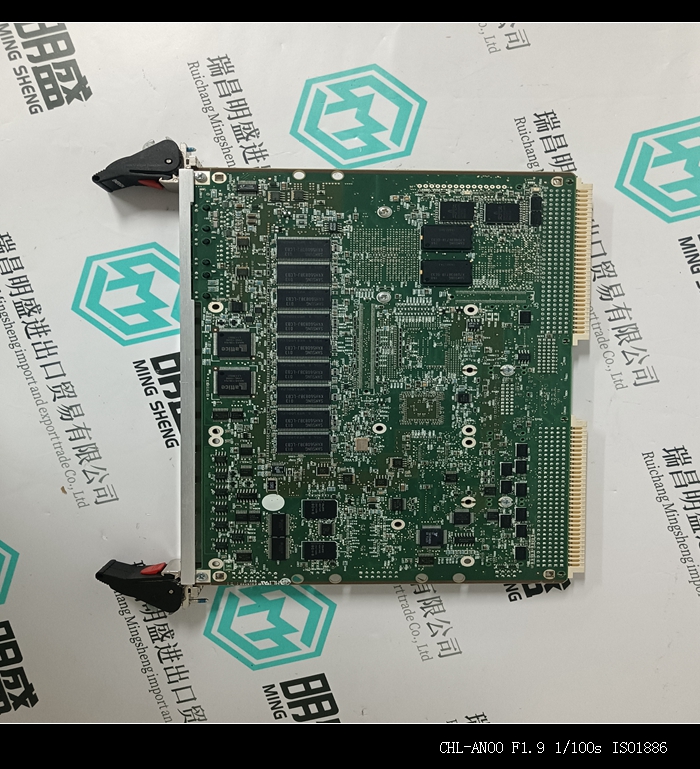
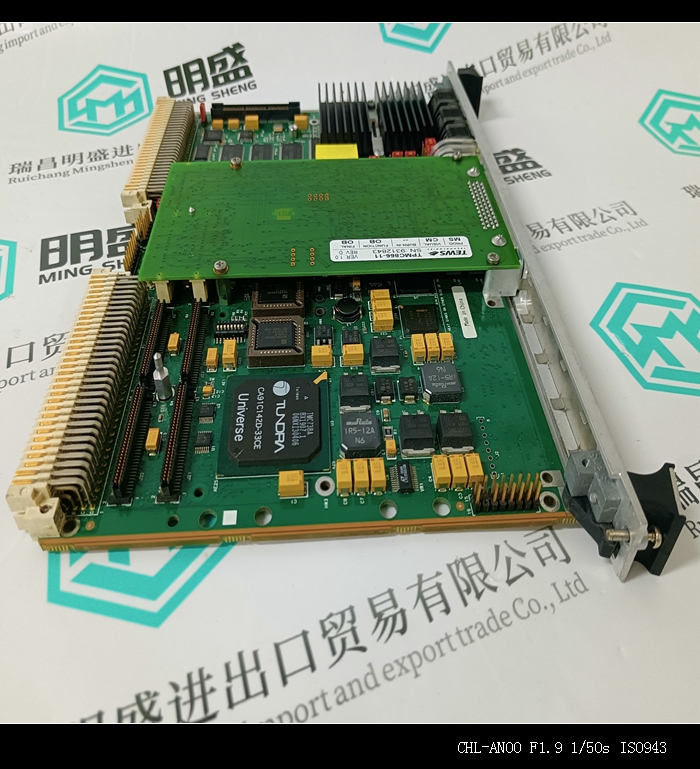
MVME147-022模块PLC系统工控卡件现货

主页 > 产品中心 > MOTOROLA

MVME147-022模块PLC系统工控卡件现货

类目:MOTOROLA
型号:MVME147-022
全国服务热线:+86 15270269218
手机:+86 15270269218
微信:+86 15270269218
QQ:3136378118
Email:stodcdcs@gmail.com
在线咨询
产品详情
瑞昌明盛进出口贸易有限公司
主营DCS控制系统备件,PLC系统备件及机器人系统备件,
优势品牌:Allen Bradley、BentlyNevada、ABB、Emerson Ovation、Honeywell DCS、Rockwell ICS Triplex、FOXBORO、Schneider PLC、GE Fanuc、Motorola、HIMA、TRICONEX、Prosoft等各种进口工业零部件

MVME147-022模块PLC系统工控卡件现货
MVME147-022模块PLC系统工控卡件现货 MVME147-022模块PLC系统工控卡件现货 MVME147-022模块PLC系统工控卡件现货

PLC
进行系统自动控制,代替以前用单片机系统,增加了可靠性,功能性,达到了很好的效果。
关键词:净水设备、可编程控制器(PLC)、
人机界面
引言:
工业对发展中国家的经济的发展起到了不可磨灭的作用,特别是中国的今天,工业的发展带动了相关产业的高速发展,成为国民经济重要的支柱之一。但是经过工业迅猛发展的国家都明白,工业的发展也意味着自然环境的破坏,特别是对水源的严重污染,所以对水源的保护,污水的治理,水的净化就显得十分的重要。随着人们生活质量的不断提高,特别是医院、化工实验室等单位,对水的品质也提出了更高的要求,所以根据现状的需要,对更好的净化水的设备也提出了相应的需求。而此促进了净化设备公司的飞快成长,也对控制部分要求更稳定,更可靠!像目前一些净化水设备厂商加大资金与技术的投入,用PLC代替以前的单片机控制系统。
设备控制背景:
系统构成:电源模组+以8051单片机为主,加扩展A/D及I/O芯片搭建的PCB控制板;
系统分析:系统采用单片机实现自动控制系统,由于电路的整体设计不能够很合理,尖峰等保护措施不好,很容量出现电路故障。这也增加了服务,也隐形的增加了产品的成本,影响公司市场的发展,所以用户很想用更可靠的系统来代替原有的系统,以减少服务量,减少综合成本。
原理说明:
化学反应在专门的反应箱里,通过PLC控制两路加热信号并及时的采集PT100温度信号,使反应箱始终保持在设定的温度,再通过PLC发出脉冲对计量泵进行控制加入ClO2药剂量,使适当浓度的ClO2与水的发生化学反应,达到消毒的目的。
图1
图1
图1 净水设备原理说明图
控制要求:
1. 温度控制:系统反应需要在指定的温度下进行,所以需要保持反应箱水的温度恒定。
具体方法是设定一温度D414,设定回差D410,超温设定D535。当采集温度D310小于D414时,开始加热,当温度达到D414+D410时停止加热,温度降到D414时再次加热,使温度在设定回差内徘徊,达到恒温的目的。如果温度超过超温设定D535则停止加热并报警。
2. ClO2投加量控制:系统控制需要严格控制加入反应器里的ClO2的浓度,能够使水充分的消毒,又不会太多形成二次污染,所以对氯气的控制精度要求极高。
具体方法是ClO2的投加量根据待消毒水流量和单位投加量计算,尔后,感测器将水中的余氯量反馈到控制器(PLC),将余氯量与设定值(目标值)进行比较并根据二者的差值确定单位投加量的纠正的速度和幅度,计算出新的单位投加量,从而将投加量控制在合理的范围内,
水流量×ClO2单位投加量→计量泵的输出频率
余氯高于设定值(即目标值)后,减小单位投加量,减小量由差值大小控制。
余氯低于设定值(即目标值)后,增大单位投加量,增大量由差值大小控制。
检测到的流量信号,经延时后参与运算,延时长短在0~150分钟内可设,经运算后得到控制泵的频率(即控制投加ClO2的量)
输出控制计量泵的频率计算公式:
3. 报警控制:
压力水欠压、负压系统超压、缺原料
报警,停计量泵
缺水、超温、高温
报警,停止加热
器件选型:as the adjustment time continues. The integral strength is expressed by integral time, which is equivalent to the time required for the action of integral operation value to proportional operation value under step deviation response. The smaller the integral time is, the stronger the correction time of integral operation is. However, if the integral time value is too small, the correction effect will be too strong Oscillation occurs. Differential operation (d) both proportional and integral operations correct the control results, so the response delay will inevitably occur. Differential operation can make up for these defects. In a sudden interference response, differential operation provides a large operation value to restore the original state. Differential operation adopts a change rate proportional to the deviation (differential coefficient) operation value correction control. The intensity of differential operation is expressed by differential time, which is equivalent to the time required for the differential operation value to reach the action of the proportional operation value under the step deviation response. The larger the differential time value, the stronger the correction intensity of differential operation. Finally, we set the proportional value to 11, the integral value to 80 and the differential value to 40 The temperature is sampled by the platinum resistance and sent to the PID module. After 2-3 action cycles, the temperature curve tends to be stable, and the temperature control can reach the standard of ± 1 ℃. Since 2000, our factory has successively built three 2600m3 blast furnaces. In the construction and operation of medium and large blast furnace projects, we have accumulated some experience in the hardware design, software design and software debugging of blast furnace automatic control system through continuous engineering practice. Summing up these experiences will contribute to the construction of blast furnace automatic control system in the future. 1 Process Overview and automatic control system the main process system of blast furnace production includes: blast furnace ore, coke trough, charging (charging by charging car or belt conveyor), furnace top (bell less furnace top or bell type furnace