欢迎您访问:瑞昌明盛自动化设备有限公司,我司将竭诚为您服务!
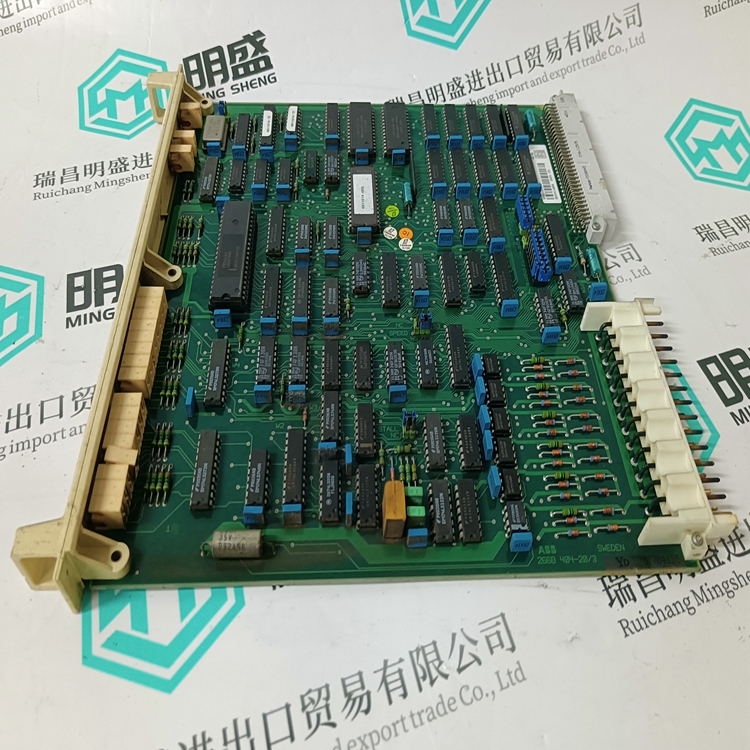
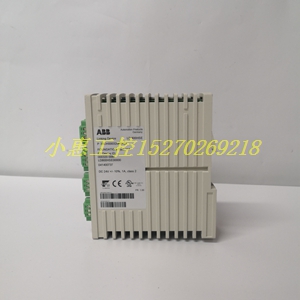
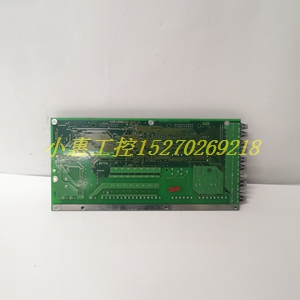
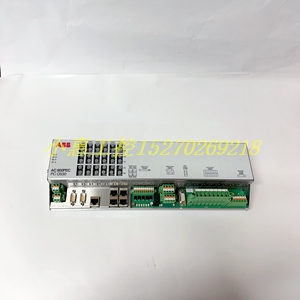
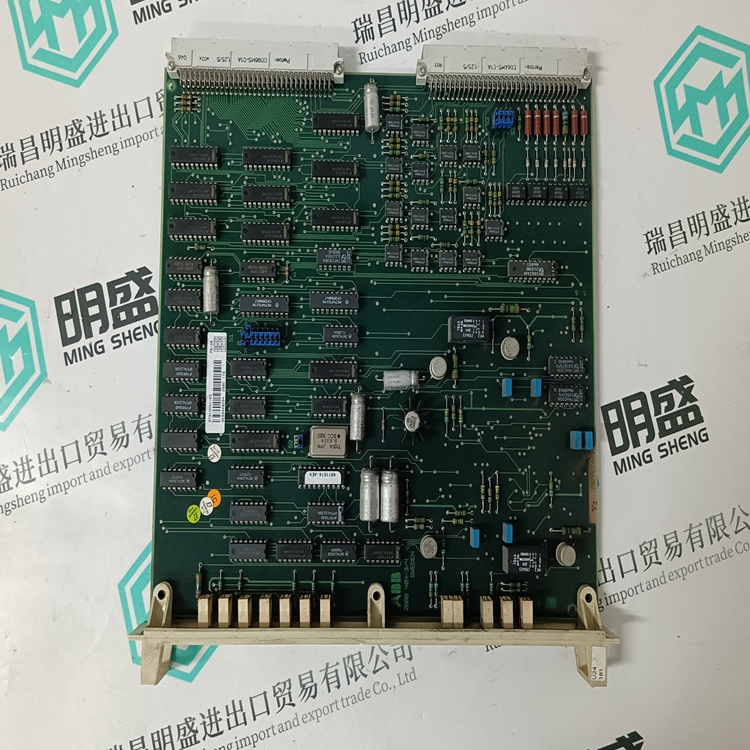
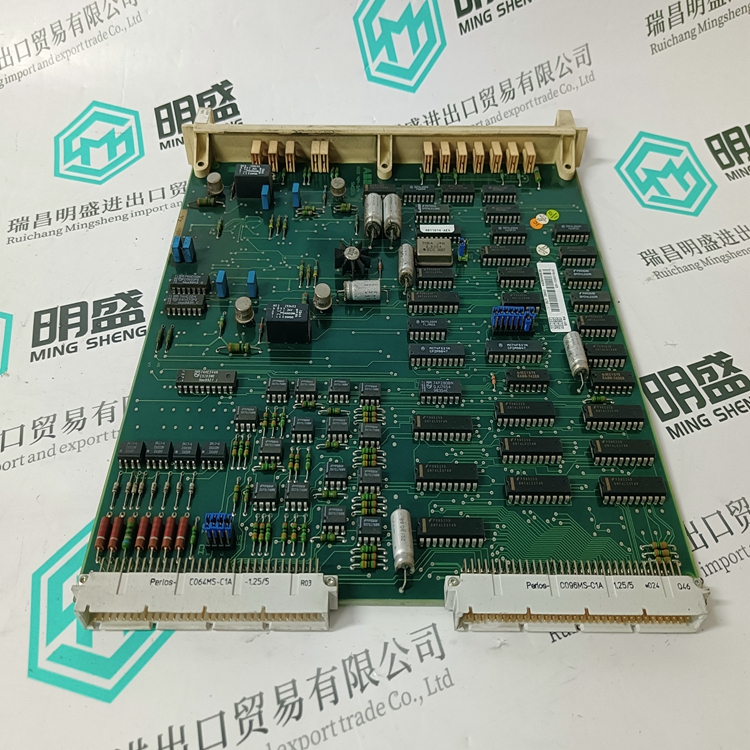
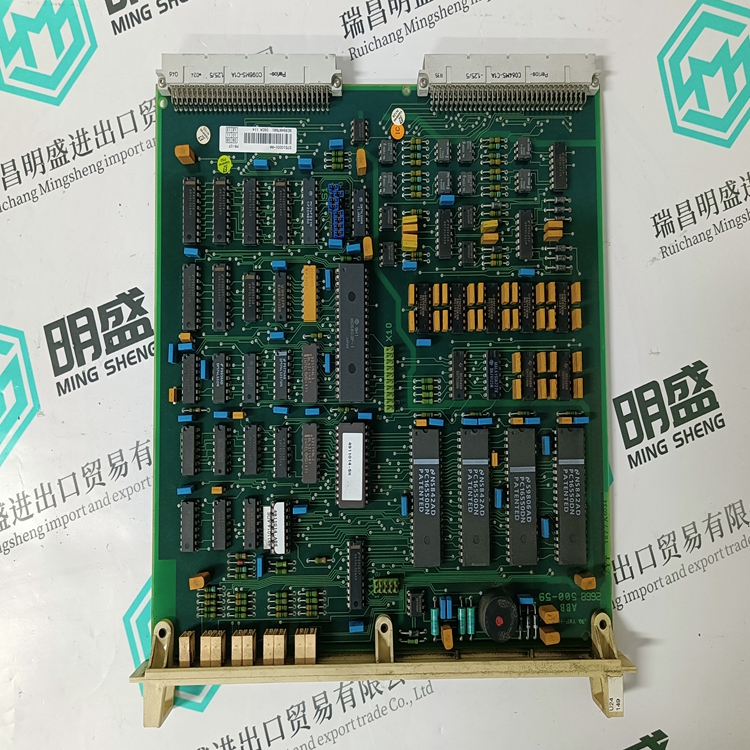
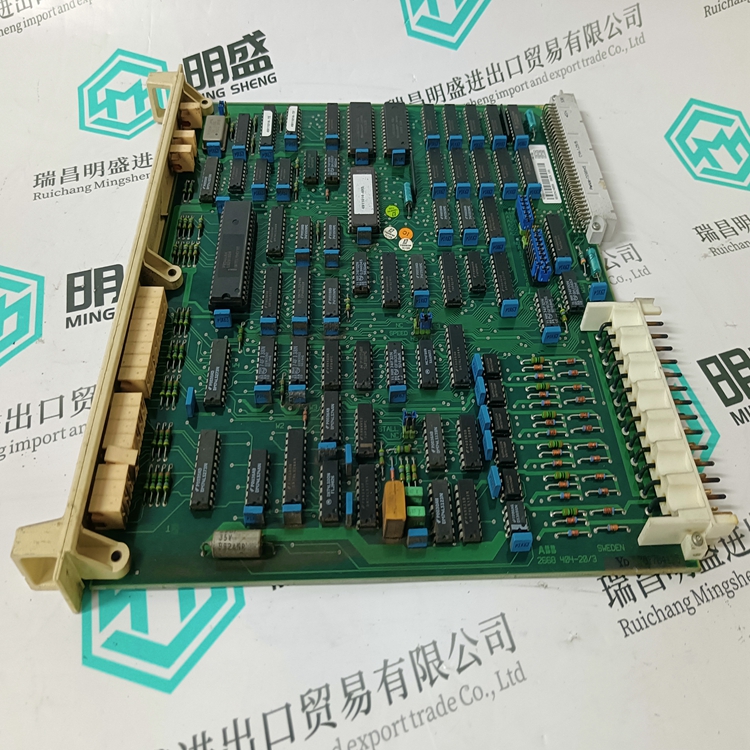
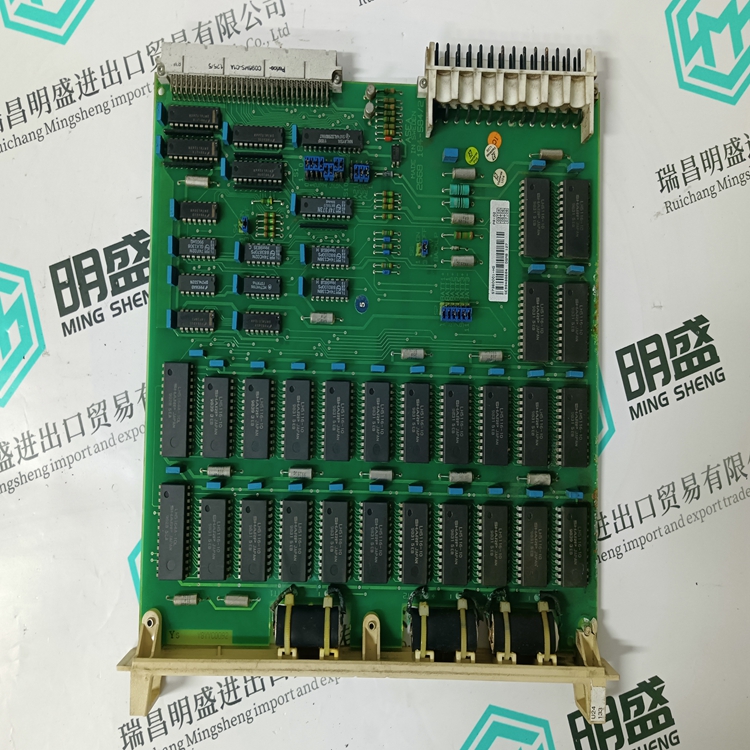
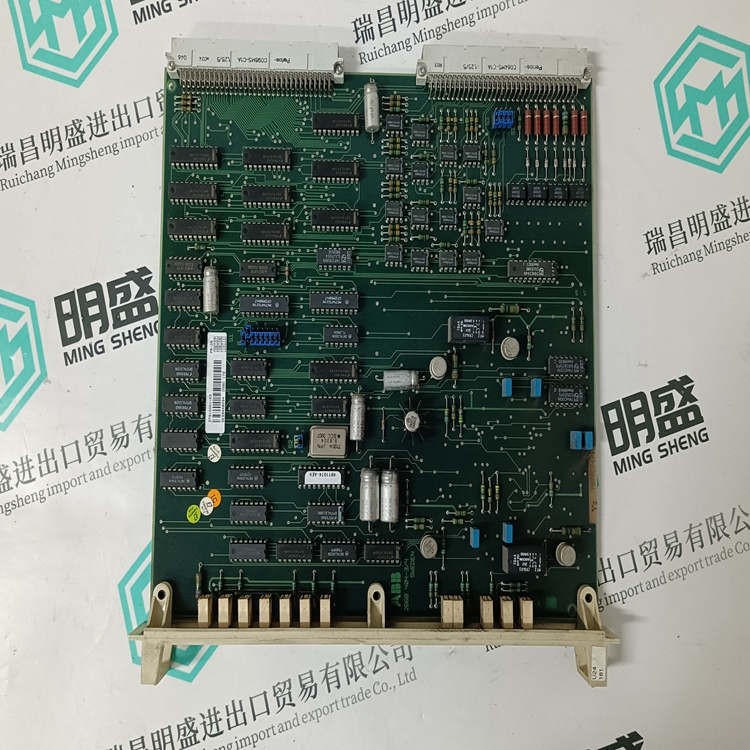
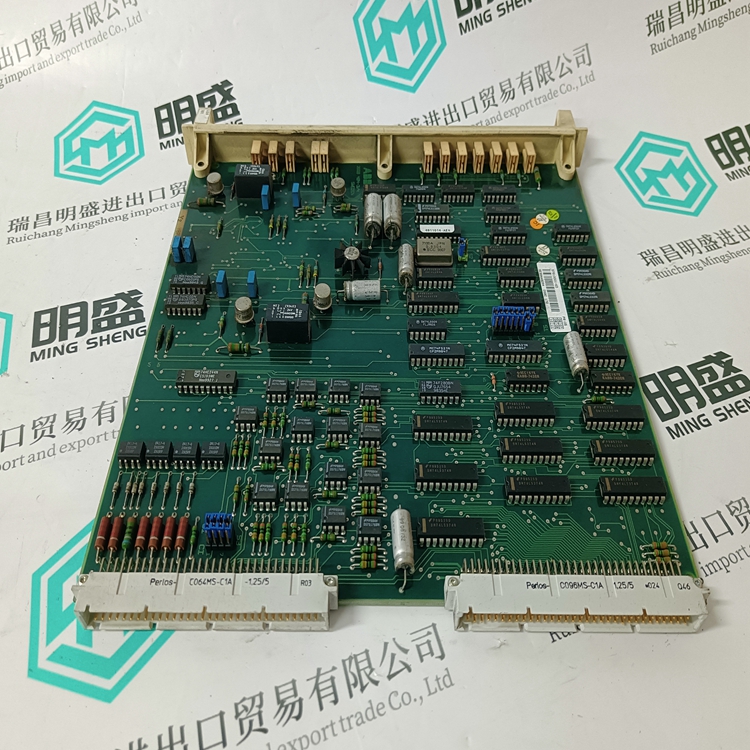
DSCA140A工业控制卡DCS模块现货

主页 > 产品中心 > ABB

DSCA140A工业控制卡DCS模块现货

类目:ABB
型号:DSCA140A
全国服务热线:+86 15270269218
手机:+86 15270269218
微信:+86 15270269218
QQ:3136378118
Email:stodcdcs@gmail.com
在线咨询
产品详情
主营DCS控制系统备件,PLC系统备件及机器人系统备件,
优势品牌:Allen Bradley、BentlyNevada、ABB、Emerson Ovation、Honeywell DCS、Rockwell ICS Triplex、FOXBORO、Schneider PLC、GE Fanuc、Motorola、HIMA、TRICONEX、Prosoft等各种进口工业零部件

DSCA140A工业控制卡DCS模块现货 DSCA140A工业控制卡DCS模块现货 DSCA140A工业控制卡DCS模块现货 DSCA140A工业控制卡DCS模块现货
挤出压力控制由模拟量输入模块采集压力传感器的信号来控制挤出机螺杆的转速,周时将实时压力显示在触摸屏上。 (4)壁厚控制由231-7HC32高速输入模块采集型坯长度和模芯间隙的电子尺反馈信号,然后通过4通道模拟量输出模块232-0HF32控制执行机构驱动伺服阀来实现。 (5)操作面板采用触摸屏完成整机的型坯温度、挤出压力、型坯壁厚以及冷却时间等各种工艺参数的设定、修改、画面显示等,采用菜单式程序控制,操作简便可靠。 3.2 温度控制系统        在挤出吹塑的过程中,要使熔料温度稳定在设定温度,所以同时配有加热和冷却设备,常用的是电阻加热和风扇冷却。        挤出机的温度控制由PID模块CTS7 231-7TF22独立完成。CTS7 231-7TF32模块集成智能PID控制器,具有8路热电偶输入,控制过程的数据通过数据存储区与CPU交换,控制精度达到?1℃。将初始PID参数和设定温度送给该模块,使能该模块的PID控制,模块便将热电偶所测得的温度送给PID控制器进行运算,然后将实时温度和运算得出的控制动作写入数据存储区,同时对PID三个控制环节的参数进行优化。CPU根据数据存储区中的值来控制输出(PWM模式下输出给DO点,模拟量模式下输出给AO),实现温度闭环控制 。PID参数的设置、温度设定、启停控制、实时温度、温度曲线都在触摸屏上实现。 如下图所示:

3.3 压力控制系统        挤出压力对于熔料的流变性能来说也是重要的影响因素,如果挤出工艺稳定,加工温度和螺杆速度不变,黏度是一个常数。根据黏性流体的流动方程式可知,挤出机的挤出量与螺杆转速成正比,而机筒压力成反比。 因此,控制好挤出压力是型坏形成质量的重要保障。压力控制系统如图所示,图中所示压力控制是一个闭环系统,将压力传感器反馈的数据和所需的压力进行比较,并根据比较结果调整挤出机的螺杆转速。

3.4 型坯壁厚控制        中空容器制品因其强度要求规定了小壁厚,而早期的中空吹塑成型设备缺少型坯壁厚控制系统,为使制品薄处达到小壁厚要求,制品的其它部位就要相应加厚,造成材料的浪费。为了节省成本、缩短制品冷却时间、加快制品生产周期,一种比较经济的做法就是控制型坯壁厚。熔料从口模挤出处于黏流态流动一段时间,由于原材料特性、挤出温度和挤出流量随时间变化呈非线性变化,所以型坯在挤出过程中,型坯壁厚发生变化。为使挤出吹塑制品满足壁厚要求,必须采取有效措施控制型坯壁的厚度。

壁厚控制系统是对模芯缝隙的开合度进行控制的系统,也即位置伺服系统,它由控制器、电液伺服阀、动作执行机构和作为位置反馈的电子尺构成。当机头口模打开时,PLC读取机筒电子尺反馈的型坯长度,然后根据型坯壁厚曲线,通过模拟量输出模块输出?10V的电压信号给电液伺服阀,伺服阀直接驱动执行机构控制模芯上下移动,调整口模与芯模的间隙来完成口模开度的控制,进而完成型坯壁厚的闭环控制。此时,壁厚型坯设定采用数字化方式,通过操作面板完成50点型坯壁厚控制的设定,型坯壁厚曲线的纵坐标显示型坯长度,横坐标显示口模开度。 3.5 冷却时间控制time meets the time limit. OSI model defines a framework. The physical layer is usually confused with physical media such as cables, connectors, network interface cards, wireless transmission hardware and so on. The physical layer not only defines the interface requirements of physical media and its correct connection, but also defines the coding method, verification method, bandwidth, spectrum, carrier, baud rate, electrical, optical, radio signals, incoming asynchronous serial communication control, cable type, and mechanical design of connectors. The signal passes through the transmission medium from the sending end to the receiving end. Mechanical and electrical characteristics of communication media.

The data link layer is responsible for creating, transmitting and receiving data packets. For the data link layer, the fieldbus is divided into two layers: LLC and MAC. The former provides the interface network layer protocol and controls the logical communication with its peers, and the latter provides access to and transmission of specific physical codes.
The application layer specifies the way of data interaction and defines various information, states and parameters of the equipment.
The communication data of fieldbus is generally