欢迎您访问:瑞昌明盛自动化设备有限公司,我司将竭诚为您服务!
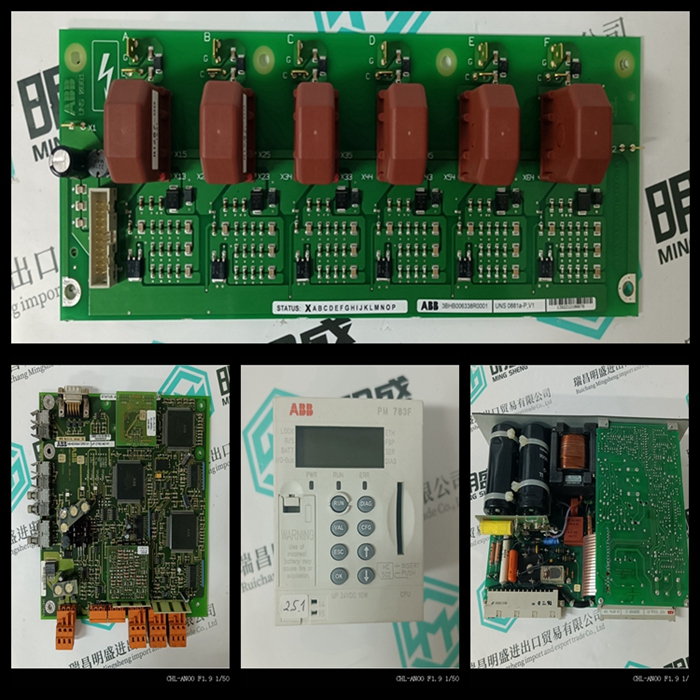
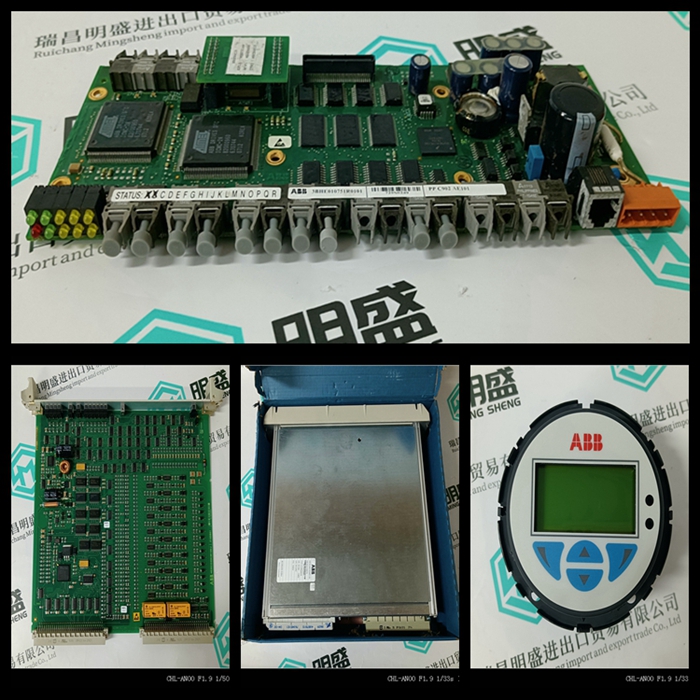
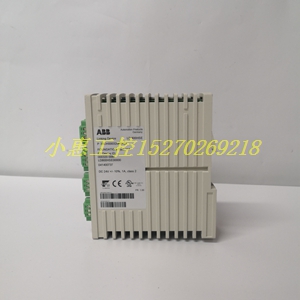
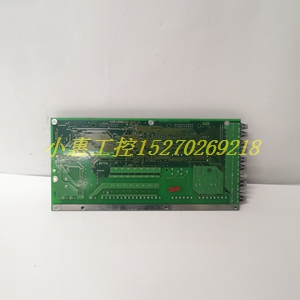
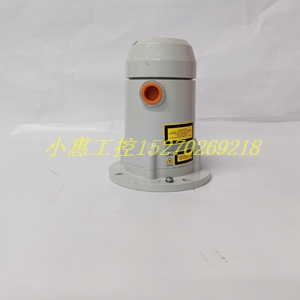
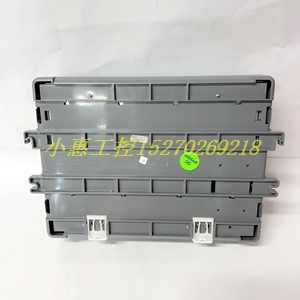
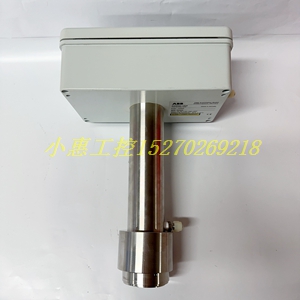
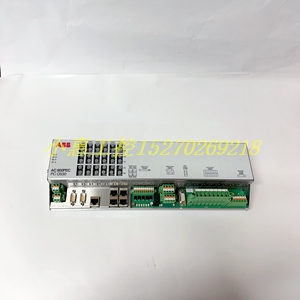
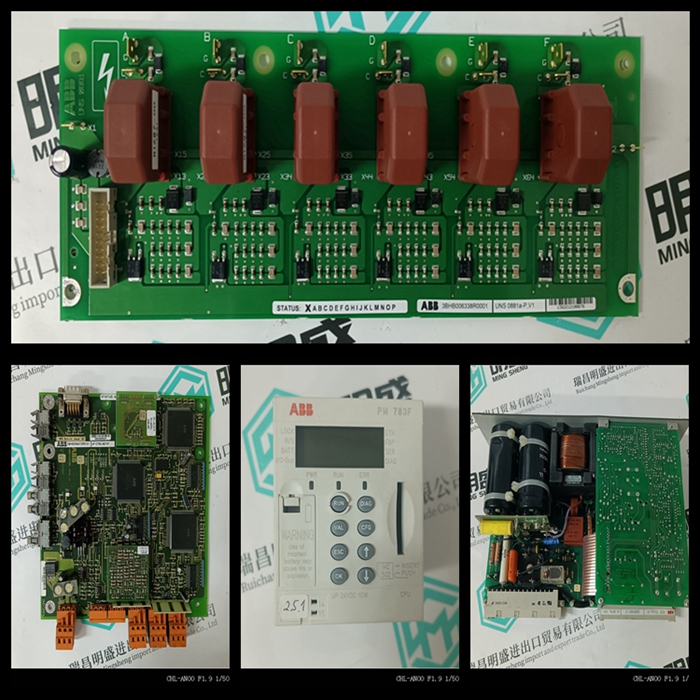
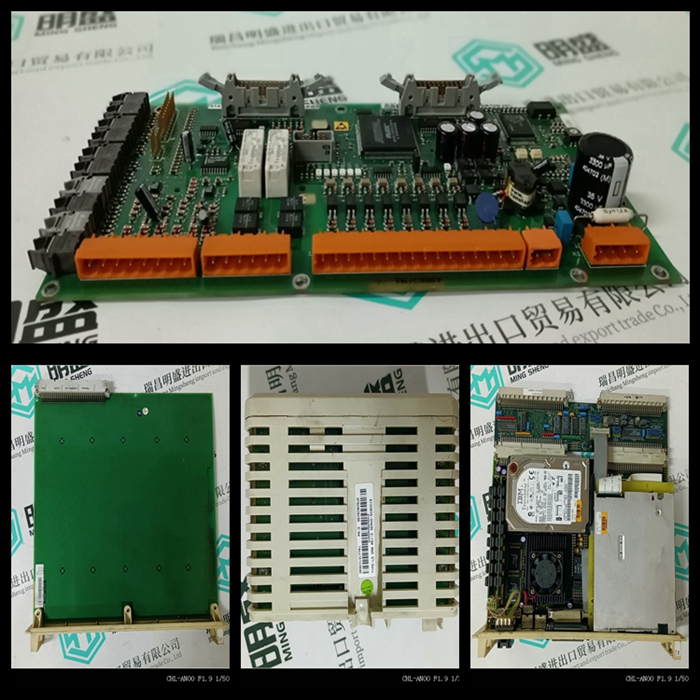
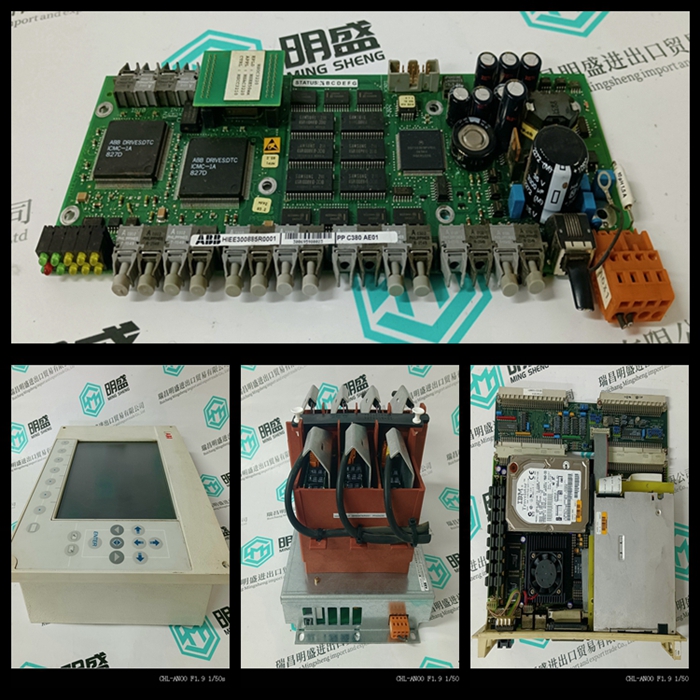
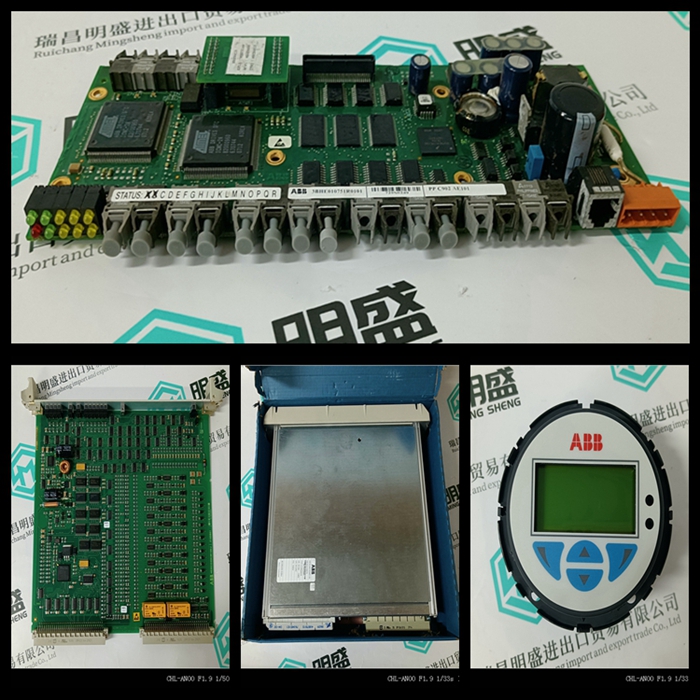
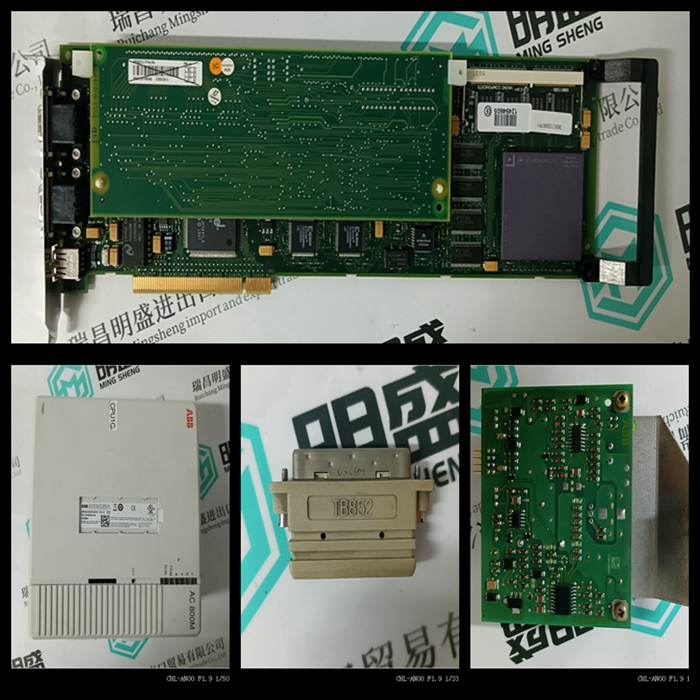
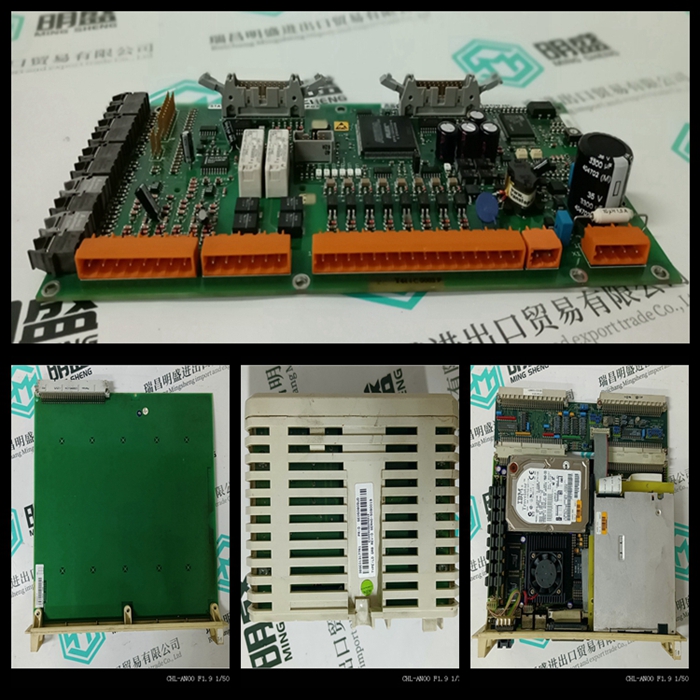
3HNA006580-001工业卡件自动化模块

主页 > 产品中心 > ABB

3HNA006580-001工业卡件自动化模块

类目:ABB
型号:3HNA006580-001
全国服务热线:+86 15270269218
手机:+86 15270269218
微信:+86 15270269218
QQ:3136378118
Email:stodcdcs@gmail.com
在线咨询
产品详情
主营DCS控制系统备件,PLC系统备件及机器人系统备件,
优势品牌:Allen Bradley、BentlyNevada、ABB、Emerson Ovation、Honeywell DCS、Rockwell ICS Triplex、FOXBORO、Schneider PLC、GE Fanuc、Motorola、HIMA、TRICONEX、Prosoft等各种进口工业零部件
3HNA006580-001工业卡件自动化模块 3HNA006580-001工业卡件自动化模块 3HNA006580-001工业卡件自动化模块 3HNA006580-001工业卡件自动化模块
在选择交换机时,要从背板带宽和包转发率来选择。背板带宽是交换机接口处理器或接口卡和数据总线间所能吞吐的大数据量,它标志了交换机的总的数据交换能力,背板带宽越高则处理数据的能力就越强。包转发率也成称端口吞吐量,是指路由器在某端口进行的数据包转发能力,包转发率越高性能越好。
从网络拓扑结构来讲,一个中大型高清网络视频监控系统需采用三层网络架构:接入层、汇聚层、核心层。
??接入层交换机的选择??
接入层交换机主要下联前端网络高清摄像机,上联汇聚交换机。以1080P网络摄像机4M码流计算,一个百兆口接入交换机大可以接入几路1080P网络摄像机呢?
我们常用的交换机的实际带宽是理论值的50%-70%,所以一个百兆口的实际带宽在50M-70M。4M*12=48M,因此建议一台百兆接入交换机大接入12台1080P网络摄像机。同时考虑目前网络监控采用动态编码方式,摄像机码流峰值可能会超过4M带宽,同时考虑带宽冗余设计,因此一台百兆接入交换机控制在8台以内时好的,超过8台建议采用千兆口。而在一些超高清网络监控系统中,为保障视频画面的高清晰,数据传输的高可靠,接入层也可直接选择全千兆交换机。
??汇聚层交换机的选择??
汇聚层交换机主要下联接入层交换机,上联监控中心核心交换机。性能比接入交换机要求要高,一般情况下汇聚交换机需选择带千兆上传口的二层交换机。该交换机百兆口与接交换机相连,千兆口与监控中心核心交换机相连,汇聚交换机上接口数量应控制在30以内佳。
还是以1080P网络摄像机4M码流计算,前端每台接入层交换机上有6台1080P网络摄像机,该汇聚交换机下联5台接入层交换机。该汇聚层交换机下总带宽为4M*6*5=120M,因此汇聚交换机与核心交换机级联口应选千兆口。
?? 核心层交换机的选择??
核心层交换机主要下联汇聚层交换机,上联监控中心视频监控平台,存储服务器,数字矩阵等设备,是整个高清网络监控系统的核心。在选择核心交换机时必须考虑整个系统的带宽容量及如何核心层交换机配置不当,必然导致视频画面无法流畅显示。因此监控中心建议选择全千兆口核心交换机。如点位较多,需划分VLAN,还应选择三层全千兆口核心交换机,摄像机数量超过150台大大型监控系统应考虑三层万兆核心交换机。
??交换机选择的重点??
在局域网内的视频监控进行交换机选择时,因为主要压力是在汇聚层交换机,汇聚层交换机既要承担监控存储的流量,还要承担实时查看调用监控的压力。所以选择适用的汇聚交换机显得尤为重要。建议选择千兆网管型交换机,可以对网络进行配置,优化提升带宽利用率,保障传输的畅通性。 and initialize the instrument resources accordingly. After the system automatically detects that its state is in the normal test state, it will detect the insertion slot position of the aging board and the type number of the aging board through digital IO coding. Each aging board has multiple components installed, so the system will use the on-off principle to detect the installation of components on the aging board, and establish the corresponding detection list and data storage structure to store the test data.

The system controls and tests the temperature according to the corresponding test process and selected test parameters, as shown in Figure 3. The system can provide a temperature environment of -45 ℃ ~ 200 ℃ at most. The heating time in the full temperature range is less than 23 minutes, and the cooling time is less than 25 minutes. The system test process provides three modes: Step-by-Step temperature rise / drop continuous measurement within the specified temperature range; Periodic insulation cycle measurement at multiple specified temperature points;