欢迎您访问:瑞昌明盛自动化设备有限公司,我司将竭诚为您服务!
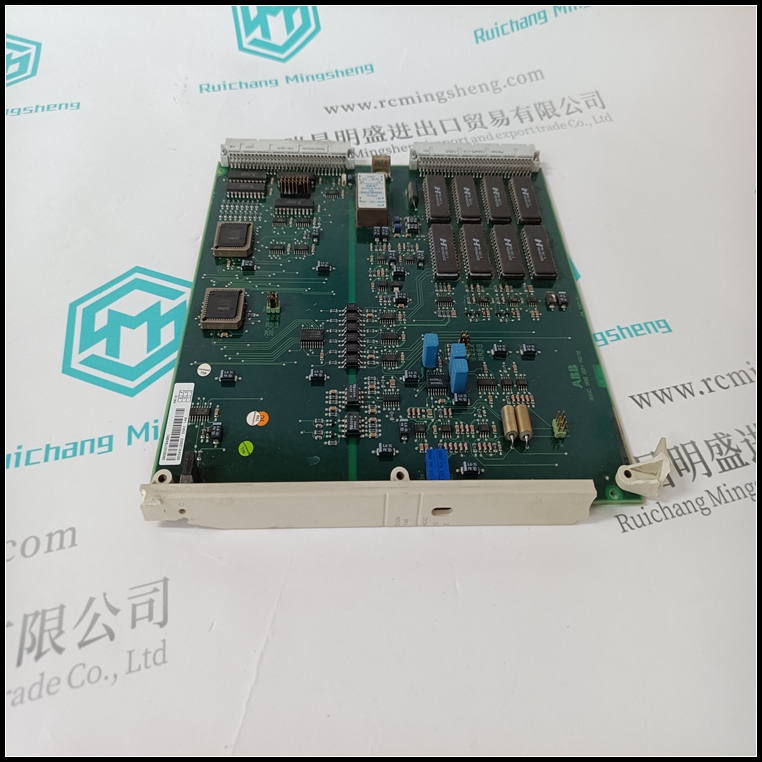
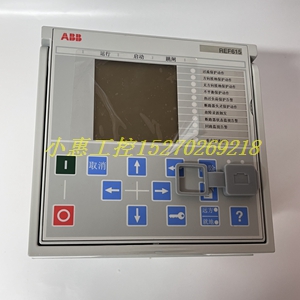
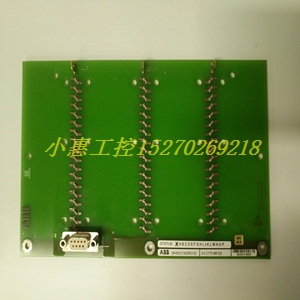
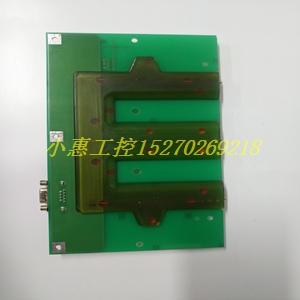
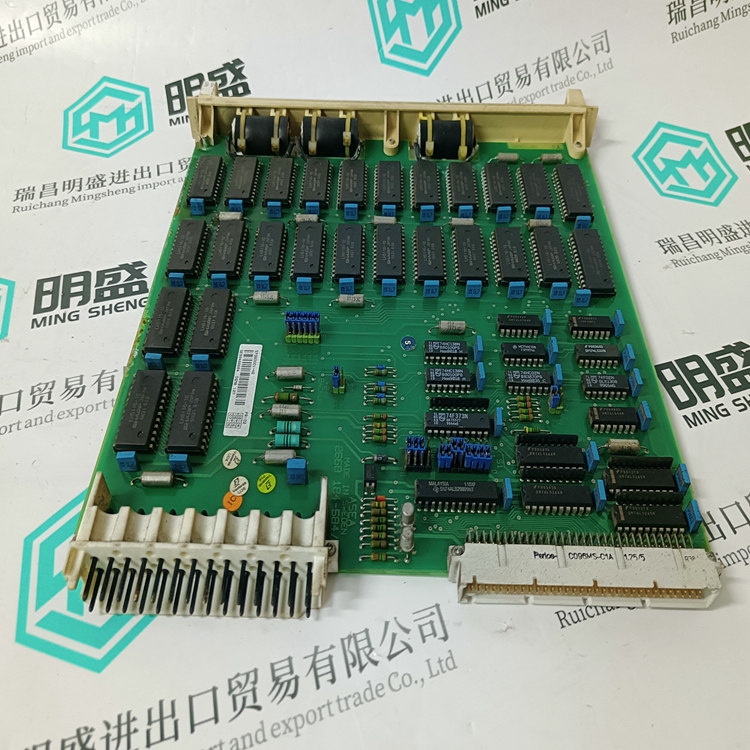
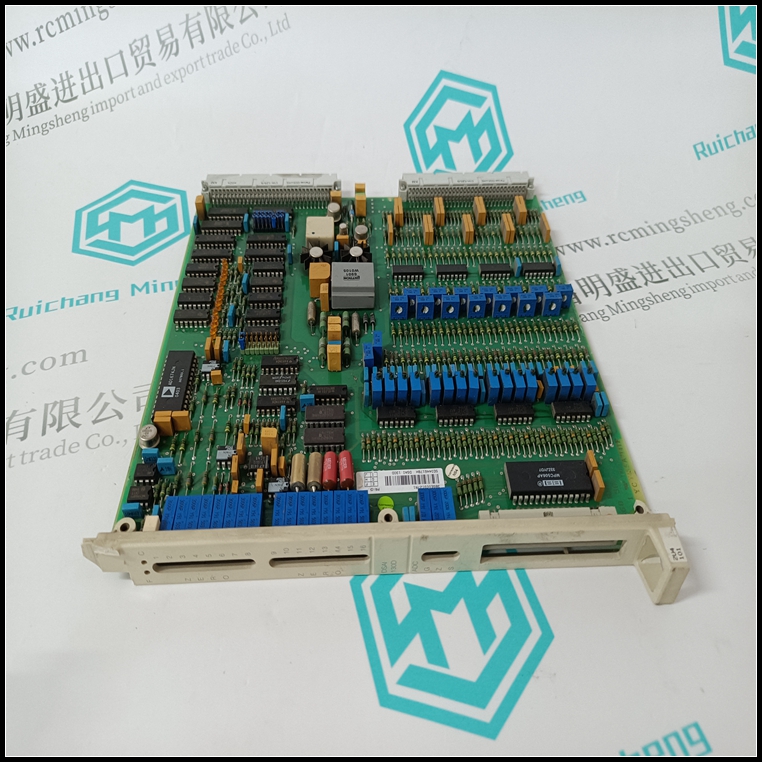
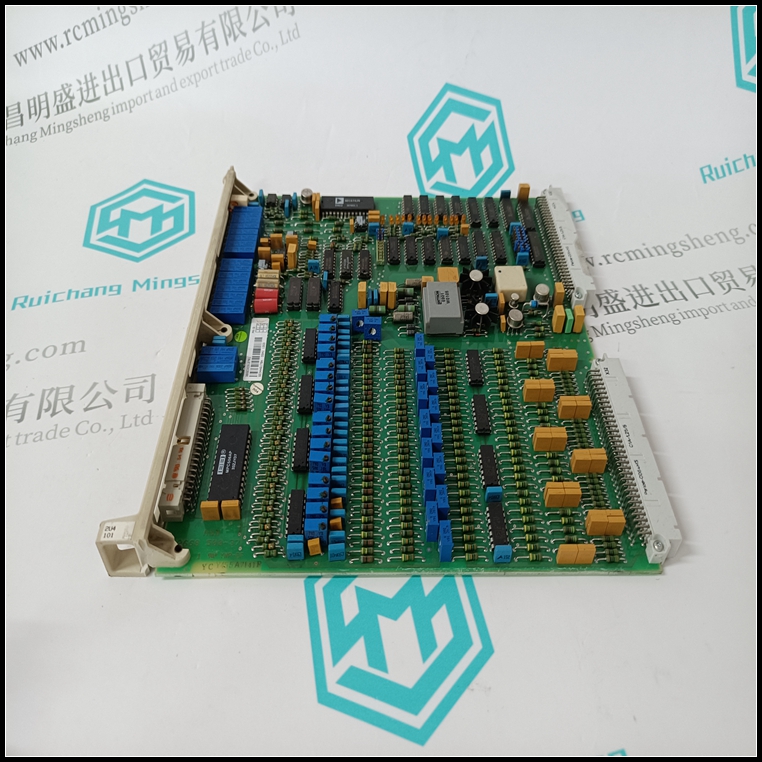
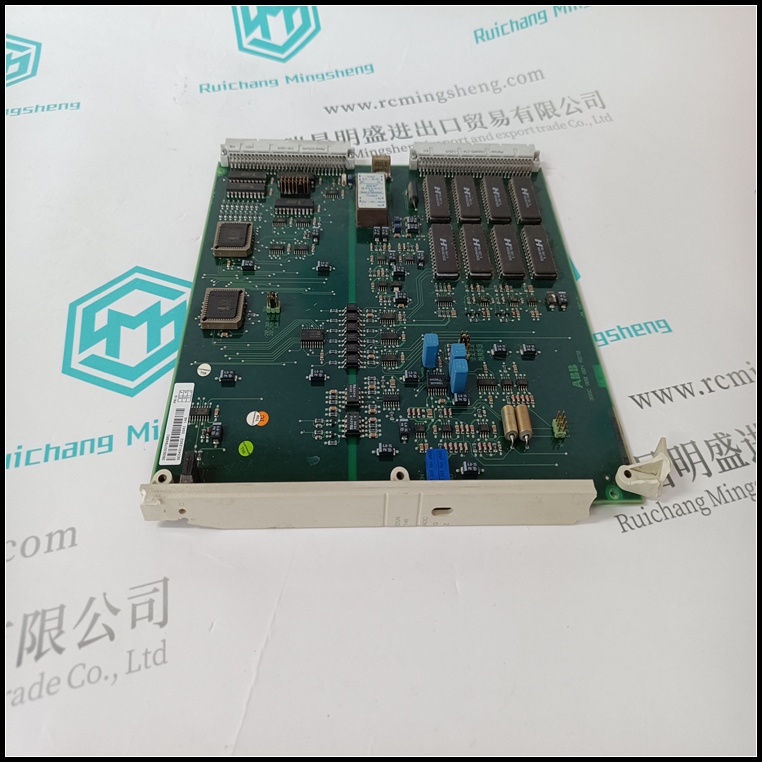
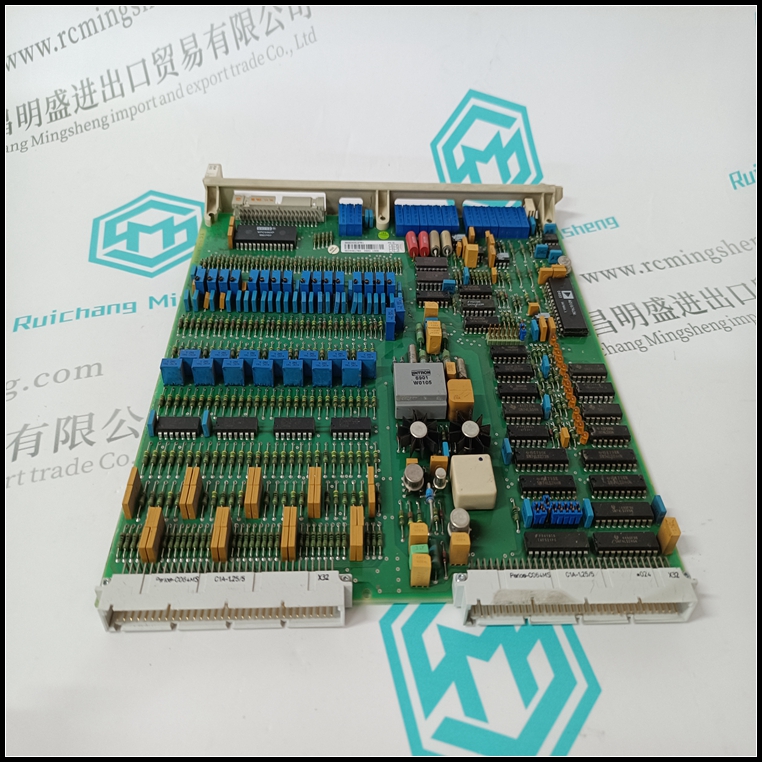
57160001-DF分布式控制模块现货

主页 > 产品中心 > ABB

57160001-DF分布式控制模块现货

类目:ABB
型号:57160001-DF
全国服务热线:+86 15270269218
手机:+86 15270269218
微信:+86 15270269218
QQ:3136378118
Email:stodcdcs@gmail.com

在线咨询
产品详情
主营DCS控制系统备件,PLC系统备件及机器人系统备件,
优势品牌:Allen Bradley、BentlyNevada、ABB、Emerson Ovation、Honeywell DCS、Rockwell ICS Triplex、FOXBORO、Schneider PLC、GE Fanuc、Motorola、HIMA、TRICONEX、Prosoft等各种进口工业零部件
57160001-DF分布式控制模块现货 57160001-DF分布式控制模块现货 57160001-DF分布式控制模块现货 57160001-DF分布式控制模块现货
 水泥生产工艺设备复杂,既包括设备的启停、报警联锁,池窑给料机小料仓料位等控制,又具有燃油加热、助燃风放空流量、燃油的雾化风比值控制等模拟量控制。LK大型PLC充分融合了PLC和DCS的特点,完全能满足顺序控制和过程控制的要求。相比DCS系统,具有更高的性价比。      2.模拟量处理精度高      玻璃纤维生产所用燃料是液化气和重油,必须严格控制燃料和助燃风的混合比例,任何比例失调都会造成工艺状况的不稳定,甚至会有爆炸的危险,所以系统对模拟量的输入输出,自控回路的精度都要求很高。LK大型PLC模拟量输入输出可达16位,精度为0.2%,同时系统集成了优化的回路控制算法,完全满足系统的控制需求。      3.系统安全性高      玻璃棉生产兼有连续生产和批次生产的特点:窑炉生产(玻璃液烧熔)是一个连续、不可间断的过程,任何过程的中断都有可能造成不可预测的后果和损失,所以系统对控制的可靠性要求很高。以LK大型PLC为主的控制系统具有防止误操作、报警功能、逻辑联锁功能 我国是水泥生产大国,近几年连续呈现出供需两旺的高速增长势头,为国民经济持续、快速发展做出了重要贡献。国家经贸委在行业十五规划中提出“生产设备趋向大型化,生产过程向自动化和智能化发展,注重规模效益和节能降耗”将成为水泥行业国际发展趋势。  自动控制系统对于水泥行业的发展至关重要,以和利时公司HOLLiAS LK系列PLC为主的水泥熟料生产控制系统,实现了对水泥厂工艺过程及生产设备的监测与自动控制。该系统性能稳定、功能齐全、性价比高、扩展灵活,大大提高了水泥生产效率和稳定性。      工艺简介      水泥生产的工艺过程,通常可以简要地概括为“两磨一烧”,即首先将原料粉磨成生料,然后经过煅烧形成熟料,再将熟料粉磨成水泥。
  原料粉磨:砂岩库、石灰石库、钢渣库、粉煤灰库中物料经过定比配料系统混合成原料粉,传送系统将原料粉传送进生料磨机进行生料制备,制备好的生料进均化库。        熟料煅烧:均化库里的生料通过定量给料机将生料送进预热器预热后进回转窑系统煅烧成熟料。      水泥粉磨:即将熟料加入适量石膏、混合材或添加剂共同磨细为水泥。      系统设计      根据水泥生产的工艺要求及现场情况,整个系统由2台监控计算机、1个工程师站和4个现场控制站组成。全厂控制系统的主干网络采用100M环形工业以太网。      监控计算机      主要功能是动态控制流程图、动态趋势图;设备起停及控制回路操作、参数修改;实时报警及打印;报表、历史数据记录、显示和打印等。它通过计算机屏幕将组态的信息以文本、画面、报警等多种形式呈现给管理人员。操作员可通过键盘和鼠标器作为输入端完成生产线的控制,进行各种组态以及控制参数的设定、画面的调用、设备的启动和停止操作等。      现场控制站        主要控制功能是:顺序控制、模拟控制、逻辑控制、I/O监视。全厂4个LK PLC现场控制站分布在生料磨、窑尾、窑头和水泥磨控制室内,所有过程站及PROFIBUS-DP从站的过程控制信息由工业以太网送往中控室,在中控室实现对生产过程的模拟控制和逻辑控制。                                           图1 系统网络结构图      工艺流程控制      根据水泥生产的工艺流程,控制系统可以分为以下几个相对独立且相互联系的部分,各部分控制功能如下:
 1.生料粉磨      生料配料调速皮带秤定量给料的自动控制。reduce the internal losses caused by unscientific management decisions, and improve the competitiveness of modern enterprises. Based on the above consensus, over the past few years, enterprises, including coal preparation plants, have begun to increase investment in automation and informatization, and have received a certain return accordingly. However, judging from the actual operation of the automation and information system of the coal preparation plant, there is still much room for improvement. Mainly in the following aspects: 1 Insufficient coordination between automation subsystems: it is mainly manifested in some coal preparation enterprises with early automation. Many automation subsystems are phased, and some are provided by different integrators or suppliers. Some subsystems have bottlenecks, so the subsystems are uncoordinated, which cannot reduce staff and increase efficiency to the greatest extent and improve automation efficiency. At the same time, these old projects also have problems of insufficient control cabinet space and high cable and construction intensity. 2. The coordination between the automation system and other monitoring systems is not enough: as a supplement to the automation system, intelligent card reading, video monitoring, fire alarm, dispatching communication and other systems can complete many functions that cannot be completed by traditional automation instruments, reducing the labor intensity of staff. In most coal preparation enterprises, these functions are basically decentralized and independently built, mainly because the monitoring software they use lags behind the development of the IT industry and cannot